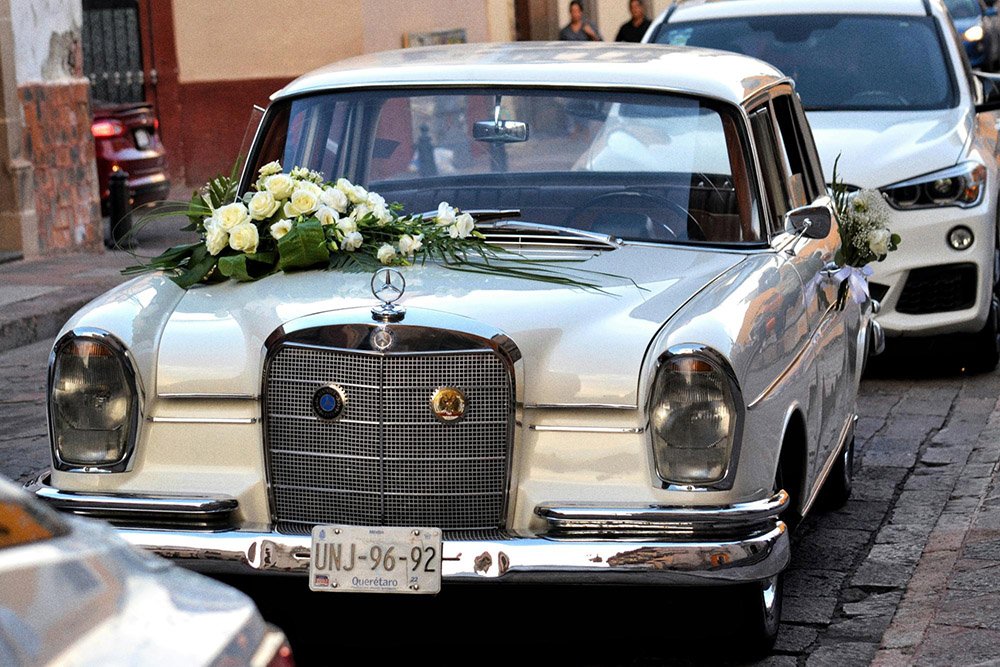
Destination weddings. The ultimate dream for some. A logistical nightmare for others. But what’s the real story behind these idyllic celebrations? Peek behind the curtain and see what truly makes destination weddings tick.
Choosing The Locale: Not As Glamorous As It Seems
Think white sandy beaches and breathtaking views. Now consider the endless paperwork. The truth? Location hunting means more than scenery. Regulations and local laws can throw a wrench in your wedding plans.
Brides and grooms often overlook the cultural nuances. A missed greeting, a wrong flower—small errors that echo loudly on your special day.
Moreover, the sheer variety of choices can be overwhelming. For every bride swooning over a cliffside venue, a groom is cringing at the potential for wind chaos. Climate considerations become paramount, changing how you visualize the space on your big day.
Another aspect to consider is the accessibility of the location. Picking a venue that’s far from the nearest airport or hard to reach by public transport can complicate travel arrangements for you and your guests. Ensuring that your chosen locale offers convenient access can prevent added stress and make the entire event more enjoyable for everyone involved.
For instance, a destination wedding in Mykonos offers an enchanting blend of picturesque landscapes and modern conveniences, making it a popular choice for those looking to combine romance with practicality.
The Burden Of Distance
Every guest becomes part of the journey. An RSVP isn’t just a confirmation; it’s a commitment to travel halfway around the world.
And what if they don’t show? Recalculating numbers, adjusting seating plans—suddenly, your dream looks very different.
The emotional weight of distance lingers beyond guest lists. Last-minute family emergencies can mean missed flights and an absence felt deeply. Virtual presence through video calls often steps in, bridging miles. It’s not the same, but it can soften the situation.
It’s also vital for couples to embrace flexibility. Miscommunications can arise, causing unexpected emotions to surface. This, coupled with a reduction in traditional familial support, can make things feel overwhelming. Family and friends’ presence, often taken for granted, becomes ever more valuable. Their camaraderie can truly help alleviate the stress of the occasion.
Logistics: A Different Beast
Planning a wedding is stressful, but try adding a foreign time zone. Flights, accommodations, and meal plans? Consider your patience tested.
The best-laid plans go awry. Guests miss flights. Weather changes everything. Plan B isn’t just a good idea; it’s a survival kit.
Logistics also brings into play the language barrier. Confirming details in a different language can alter expectations. Simple instructions might need interpreters, making communication paramount. Patience and understanding become your best allies.
Day-of logistics can be equally challenging. Allocating tasks effectively among locals and your own team can help ensure everything flows smoothly. Consider hiring a local wedding coordinator who understands the nuances of the area. This person can troubleshoot any last-minute issues and ensure everyone—from vendors to guests—knows exactly what to do and when.
Budget: The Great Equalizer
A sunset ceremony on a Caribbean island isn’t cheap. Extravagant? Certainly. Affordable? It’s an illusion.
Something will cost more than you budgeted. Always. Hidden fees show up on receipts like unwanted guests. Be skeptical of “all-inclusive.” Ask questions. Reread the fine print.
The allure of big savings might tempt you to cut corners. But cutting too much can spoil the essence of your ceremony. Finding balance is vital, ensuring quality doesn’t compromise your experience.
It’s also crucial to monitor currency fluctuations if your destination operates in a foreign currency. Even a small shift can significantly affect your overall budget. Planning for any exchange rate changes will ensure you’re not caught off guard. Having a financial buffer for surprise expenses offers peace of mind and could save the day.
The Unexpected Positives
It isn’t all bad. New places bring people closer. Family bonds grow stronger. Friendship roots deepen.
A wedding isn’t just about saying “I do”—it’s a family reunion, a celebration of unity, a time of happy chaos. And that’s unforgettable.
The unfamiliar setting breathes life into new traditions. While cherished customs stay, fresh experiences emerge. Every corner explored, meal shared, offers layers of beautiful memories extending beyond the ceremony.
Embracing new experiences in a different culture allows for unique narratives. Guests enjoy everything from diverse cuisine to local entertainment, creating audacious stories that continue to enrich their tales long after the facts have been stored as fond memories. These intangible experiences can often be more gratifying than the day’s photographs and keepsakes.
Emotions Ride High
Weddings fuel excitement. But sprinkle in the stress of distance, and you have a recipe for emotional chaos.
The stress of planning from afar can strain relationships. Tempers flare. Faces palm. More deep breaths are taken than exchanged vows.
Amid all the chaos, remember to prioritize self-care. Take time to reflect, savor moments, and keep focus amidst wedding whirlwinds. This perspective can anchor you to the joy behind the chaos.
Leveraging local traditions or adding personalized touches can provide memorable experiences that overshadow any potential hitches. Inviting guests to engage in customary activities not only engrosses them in cultural appreciation but also redirects focus to the collective joy of togetherness beyond the ceremony itself.
Conclusion
Destination weddings aren’t just about the glamour or the Instagram likes. They’re a symphony of chaos and beauty. Dare to dream but prepare to handle the chaos. Those stories, those memories last a lifetime. They’re the true wedding gift.