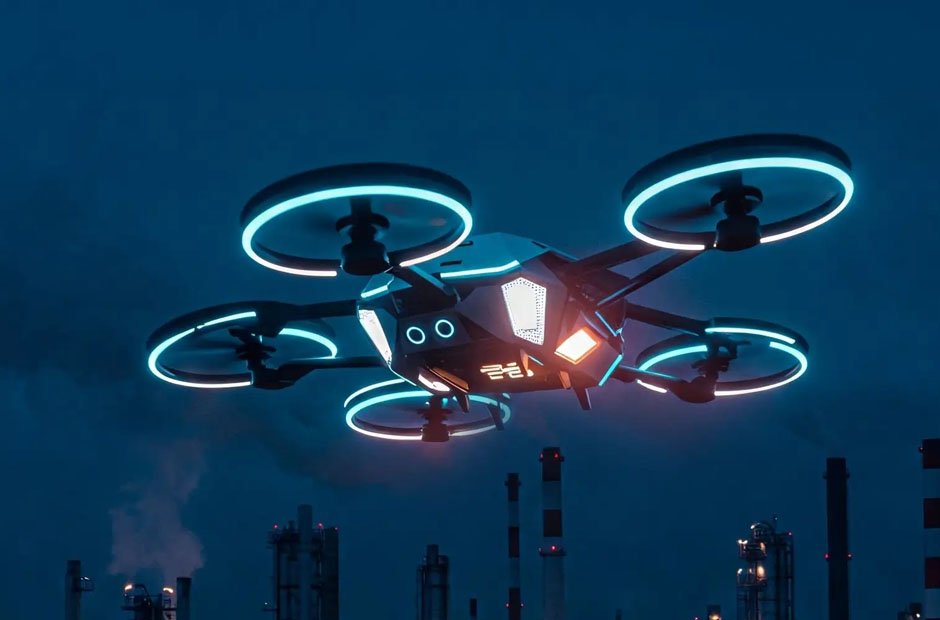
The digital arts landscape in Australia is undergoing a rapid transformation. Photographers, videographers, and content creators are no longer bound by gravity. From the rugged coastlines of Victoria to the vast red deserts of the Outback, the diverse Australian environment provides the perfect canvas for breathtaking aerial exploration. Thanks to significant leaps in unmanned aerial vehicle technology, the sky has literally become the limit for creative expression. Next-generation drones are no longer just recreational gadgets; they are sophisticated, flying cameras equipped with advanced sensors and artificial intelligence. This profound shift is empowering Australian digital creatives to capture cinematic visuals that were once exclusively reserved for high-budget film studios, completely democratising the visual arts landscape.
The New Standard for Digital Storytelling
Modern storytelling relies heavily on capturing unique perspectives to engage audiences and communicate emotion. Achieving sweeping landscape shots or dynamic tracking sequences used to require expensive helicopter rentals, complex logistical planning, and bulky camera rigs. Today, lightweight consumer and professional drones offer pristine 4K and even 8K video resolution right out of the box. Additionally, advanced three-axis mechanical gimbals ensure that every frame remains perfectly smooth, even in the unpredictable coastal winds that Australia is known for.
However, transitioning from a casual hobbyist to a commercial creative requires more than just an eye for composition. As creators begin to monetise their aerial content, they enter a highly regulated airspace. For anyone planning to sell their footage or operate a commercial creative agency, securing professional Australia drone licence guidance is a crucial first step. Proper training ensures that operators understand airspace restrictions and flight safety, allowing them to focus entirely on their artistic vision without worrying about legal missteps.
Blending Aerial and Terrestrial Perspectives
One of the most exciting developments in digital creativity is the ability to weave aerial footage seamlessly with traditional ground-level shots. This hybrid approach gives artists the flexibility to establish scale and context before bringing the viewer intimately close to the subject.
This technique is rapidly gaining traction across various visual arts sectors, from wedding videography to documentary filmmaking. A prime example is the growing practice of blending sweeping aerial shots with terrestrial portraits during long, remote outdoor shoots. However, a major challenge creators face is managing battery life for multiple electronic devices. Knowing how to keep every device fully powered anywhere is essential when operating power-hungry drone equipment alongside traditional cameras, tablets, and mobile phones. High-capacity power banks with versatile Type-C outputs have become an indispensable part of the modern creative toolkit, allowing mobile teams to charge their UAV batteries and remote controllers on the go without retreating to a studio. When these breathtaking aerial angles are combined with classic terrestrial portraits, the final gallery delivers a highly immersive, multi-dimensional experience.
Essential Innovations Elevating Aerial Art
The hardware and software powering today’s remotely piloted aircraft have evolved to make flying incredibly intuitive. This allows artists to spend less time worrying about flight mechanics and more time perfecting their framing. Several key innovations are driving this creative revolution in Australia:
- Automated Flight Paths: Creators can configure specific waypoints, allowing the drone to execute complex and repeatable camera movements for perfect hyperlapse videos.
- Obstacle Avoidance Sensors: Omnidirectional sensors map the environment in real time, preventing collisions and enabling confident flying in tight or complex spaces.
- Advanced Colour Profiles: Ten-bit colour depth captures billions of hues, providing immense flexibility during the post-production grading process.
- AI Subject Tracking: Intelligent algorithms lock onto a moving subject, keeping them perfectly framed while the drone autonomously navigates the surrounding terrain.
Navigating Commercial Regulations Safely
While the creative possibilities are vast, taking to the skies for commercial purposes comes with strict responsibilities. The Australian government maintains clear regulations to keep the airspace safe for everyone. Whether you are capturing real estate portfolios, filming an independent documentary, or selling landscape prints, your operations fall under commercial guidelines.
Failing to comply with these rules can result in severe penalties. Accessing the right information is essential for emerging artists. According to the Australian government’s aviation guidelines, anyone who uses a drone for work or commercial purposes must register their drone and get a licence or accreditation through the Civil Aviation Safety Authority (CASA) to avoid significant fines. Staying informed about these regulations ensures that digital creatives can safely push the boundaries of their craft.
The intersection of advanced hardware and human ingenuity is reshaping how Australian stories are told. By embracing flight technology and respecting national safety regulations, digital creatives are unlocking unprecedented visual possibilities and setting a thrilling new benchmark for the arts industry.