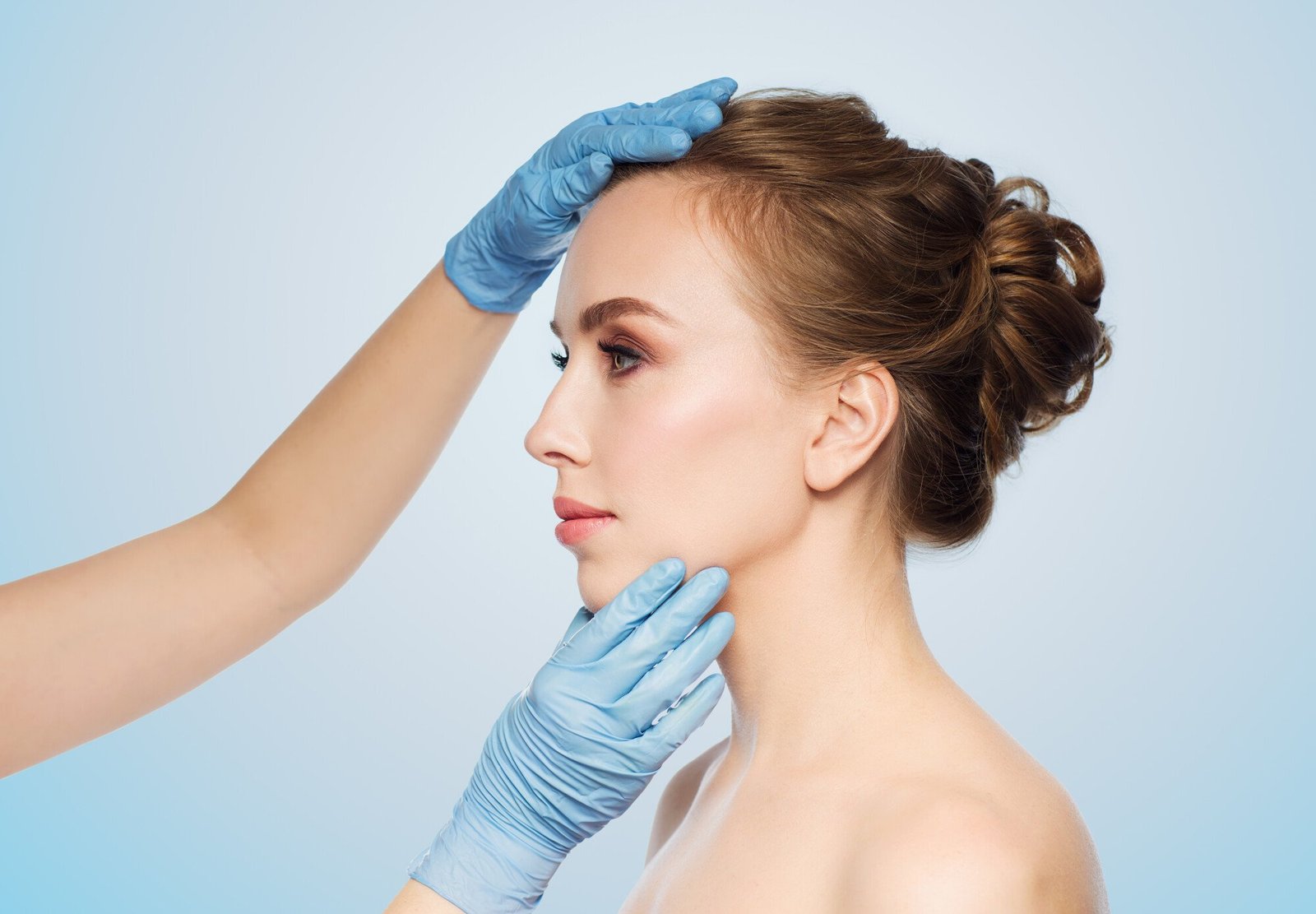
There is a kind of beauty that does not shout. It does not demand attention or try too hard to be seen.
Instead, it sits quietly, waiting to be noticed in the right light. This is the kind of beauty people remember. It feels real, soft, and natural.
In a world filled with filters and bold changes, many are starting to move in a different direction. They want results that look untouched but refined.
They want changes that feel like an upgrade, not a disguise. This is where subtle enhancement comes in. It is not about becoming someone els-it is about becoming a clearer version of who you already are.
If you have ever looked in the mirror and felt that something small could be improved, not changed but refined, then this idea speaks to you. Keep reading to explore how precision and care can create results that feel both simple and powerful.
Understanding Subtle Enhancement
Subtle enhancement is about small changes that bring out natural features. It is not about adding too much or doing too many things at once. It focuses on balance and respects what is already there.
This approach works because the human eye is sensitive to harmony. When everything looks balanced, the face feels more pleasing. When something is too strong or uneven, it becomes distracting, and subtle work avoids this problem.
The Role of Visual Precision
Precision is what makes subtle enhancement effective. Without it, even small changes can look off. Precision means careful placement, correct proportions, and attention to detail.
Every face is different. What works for one person may not work for another, and this is why a one-size approach fails. Precision requires understanding shape, structure, and natural lines.
A slight adjustment in shape or tone can make a big difference. For example, softening a harsh line or enhancing a gentle curve can change how light hits the face. These tiny shifts can create a more refined appearance.
Why Less Often Feels Like More
There is power in restraint. When too many changes are made, the result can feel heavy. It can take away from the natural charm of a face.
Less work often leads to better results because it allows features to stand on their own. Each part supports the other instead of competing for attention. The overall look feels calm and easy.
This idea connects to how people see beauty in daily life. A clean space feels better than a crowded one.
A simple outfit can look more elegant than a loud one. The same is true for personal enhancement.
The Emotional Side of Refinement
Subtle enhancement is not only about appearance. It also affects how a person feels. When changes are gentle and thoughtful, they can boost confidence quietly.
People feel more like themselves, not different from themselves, and this makes it easier to carry confidence into daily life. There is no need to explain or justify the change. It simply feels right.
Confidence built this way is stable. It does not depend on trends or approval from others. It comes from knowing that you have taken care of yourself in a way that respects who you are.
Techniques That Highlight Natural Beauty
Modern techniques focus on enhancing rather than covering. They aim to work with natural features instead of hiding them. This creates results that look soft and real.
For example, treatments that refine texture or shape can improve how features appear without making them look altered. Even small changes, like adjusting how light reflects off the face, can create a brighter look.
One popular approach includes a lash lift, which enhances the natural curve of the lashes without adding anything artificial. It is a simple example of how subtle work can create a noticeable yet gentle improvement.
The Importance of Personalization
No two people have the same features. This is why personalization is key. Subtle enhancement works best when it is tailored to the individual.
This process starts with observation. It involves looking at the face as a whole, not just one part. Balance, symmetry, and proportion all play a role.
Personalization also considers lifestyle. Some people want low-maintenance options, while others are open to more detailed routines. The right approach should fit into daily life without adding stress.
Avoiding Overcorrection
One of the biggest risks in enhancement is overcorrection. This happens when too much is done in an attempt to fix small details.
Overcorrection can remove softness and create sharp or unnatural results. It can also make the face look less expressive. This is the opposite of what subtle enhancement aims to achieve.
Avoiding this requires patience. It means making small changes and allowing time to see how they settle. It also means trusting the process and not rushing into more adjustments.
How Trends Are Changing Beauty Standards
Beauty trends are always changing. In the past, bold and dramatic looks were often popular. Today, there is a shift toward softer and more natural styles.
This shift reflects a bigger change in how people view beauty. There is more value placed on authenticity. People want to look like themselves, not like a copy of someone else.
Social media has played a role in this change. While it once pushed heavy filters and strong edits, it now also shows a growing interest in real, unfiltered looks.
The Balance Between Art and Science
Enhancement is both an art and a science. Science provides the tools and techniques. The art guides how they are used.
Understanding structure, skin, and form is part of the science. Knowing how to apply that knowledge in a way that looks natural is the art.
This balance is what creates the best results. It ensures that changes are not only effective but also visually pleasing.
A Gentle Path to Lasting Confidence
Subtle enhancement is not about chasing perfection. It is about creating harmony. It is about making small changes that have a meaningful impact.
This approach respects individuality. It values natural features and works to highlight them. It avoids extremes and focuses on balance.
In the end, the goal is simple. It feels good when you look in the mirror. It is to see yourself, but a little clearer, a little brighter, and a little more refined.
This quiet transformation can lead to lasting confidence. It proves that sometimes, the smallest changes can make the biggest difference.
For more on this content, visit the rest of our blog!