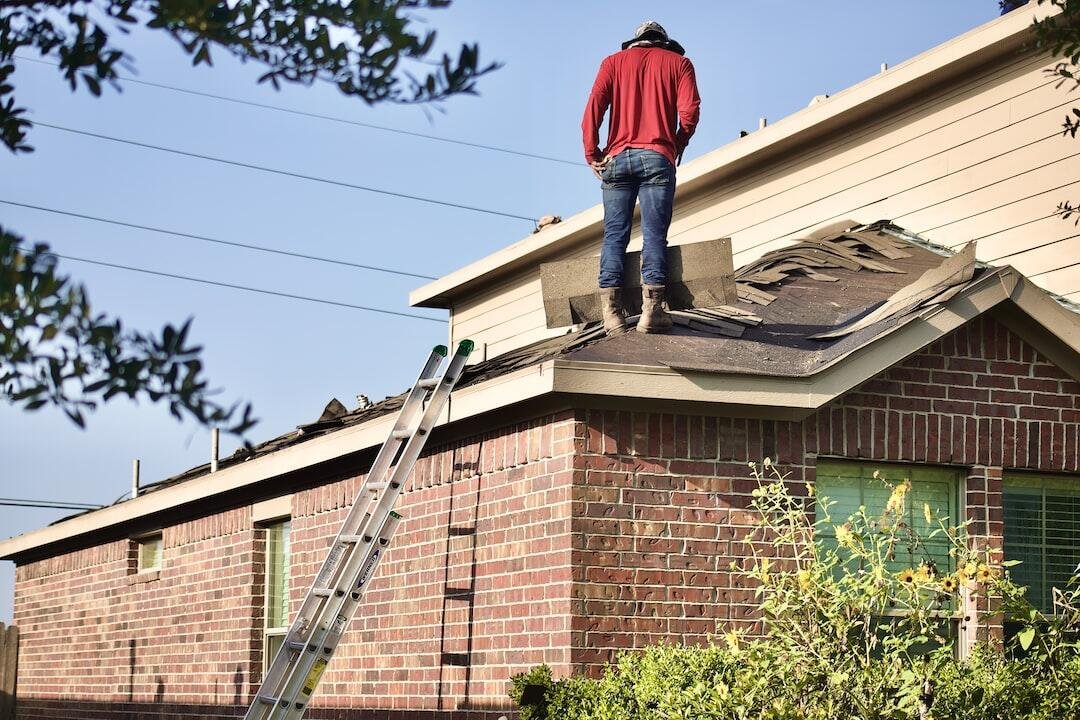
A roof protects your home from weather, water, and pests. Small issues can quickly turn into costly damage if left unchecked. Regular roof inspection helps catch problems early and keeps your home safe. Professionals examine shingles, flashing, gutters, and vents for wear and potential leaks.
Understanding what a thorough inspection involves can guide maintenance and repair decisions. Read on to explore key areas and steps in a professional expert roof inspection that protect your home.
Each section will show how inspections save money and extend roof life.
Understanding the Importance of Roof Inspection
A roof protects your home from weather, water, and pests. Regular inspections help prevent leaks and structural damage. Inspections also ensure that your roof meets safety standards. Homeowners can detect issues early and avoid expensive repairs.
Professionals assess shingles, flashing, gutters, and vents for wear and tear. A thorough inspection improves the roof’s lifespan and performance. Inspections also help maintain the home’s overall value. Routine checks give peace of mind that your home is secure.
Identifying Early Signs of Roof Damage
Roof damage often starts small but can worsen over time. Early detection is key to avoiding expensive repairs. Common issues include missing shingles, cracks, or water stains inside the home. Even minor problems with flashing, vents, or gutters can lead to leaks. Professionals carefully examine both the exterior and interior of the roof to spot these early signs.
Missing or Damaged Shingles
Shingles may curl, crack, or fall off due to age or weather. Damaged shingles expose the roof to water infiltration. Professionals check the roof surface for gaps or uneven areas. Replacing shingles early prevents leaks and structural damage.
Signs of Water Damage
Water stains on ceilings or walls can indicate a roof leak. Moisture may also appear in the attic or around vents. Early detection helps prevent mold and rot. Professionals track the source of water entry. Timely repairs protect both roof and home interior.
Flashing and Seal Problems
Flashing around chimneys, vents, and skylights can crack or rust. Failed seals allow water to penetrate the roof. Inspectors examine all joints and connections carefully. Proper maintenance of flashing prevents leaks and costly repairs.
Moss, Algae, or Mold Growth
Green or black streaks on the roof often indicate moss or algae. These can retain moisture and weaken roofing materials. Mold may also appear inside the attic. Professionals remove growth and treat affected areas. This preserves the roof’s durability.
Sagging or Uneven Roof Areas
Sagging areas often signal structural weakness or water damage. Uneven surfaces can lead to water pooling. Inspectors look for these irregularities during inspections. Addressing sagging early prevents further damage. Repairs restore both function and safety.
Evaluating Roof Materials and Longevity
Roof materials wear differently depending on type and age. Asphalt shingles may crack or curl over time, while metal can corrode. Tile roofs might crack or loosen, creating gaps for water. Professionals assess the condition, alignment, and overall durability of the roofing materials. Understanding material lifespan helps plan maintenance and eventual replacement.
Asphalt Shingle Wear
Asphalt shingles can blister, crack, or curl with age or weather exposure. Damaged shingles reduce the roof’s effectiveness. Inspectors check for missing or loose shingles. Early replacement prevents leaks and further deterioration.
Metal Roof Corrosion
Metal roofs may rust or corrode if coatings fail. Corrosion weakens structural integrity over time. Professionals examine seams and panels for signs of wear. Maintaining coatings prolongs the roof’s life and prevents leaks.
Tile Roof Cracks
Tiles can crack, chip, or shift due to storms or temperature changes. Cracked tiles allow water to penetrate underlayment. Inspectors identify broken or misaligned tiles. Prompt repairs prevent water damage to the roof deck.
Underlayment and Flashing Checks
Even strong materials rely on underlayment and flashing. Worn underlayment reduces waterproofing ability. Inspectors check flashing around roof features. Maintaining these components ensures full protection.
Assessing Overall Longevity
Evaluating material lifespan helps homeowners plan for replacements. Professionals estimate how long the current roof can perform effectively. Early awareness prevents unexpected failures. Proper evaluation supports long-term home protection.
Checking Roof Ventilation and Insulation
Proper ventilation and insulation keep the attic dry and prevent heat buildup. Poor airflow can shorten roof lifespan and increase energy costs. Moisture trapped in the attic can cause mold, rot, or sagging ceilings.
Professionals examine vents, soffits, and insulation for effectiveness. Ensuring these systems function correctly protects both the roof and the home’s interior.
Inspecting Attic Vents
Attic vents allow hot air and moisture to escape. Blocked or missing vents reduce airflow. Inspectors check vent placement and condition. Proper ventilation prevents ice dams and reduces energy bills.
Evaluating Soffits and Eaves
Soffits help move air into the attic. Damaged or clogged soffits disrupt airflow. Professionals examine soffit openings for blockages or rot. Maintaining them ensures consistent ventilation.
Checking Insulation Levels
Insulation traps heat in winter and keeps the home cool in summer. Uneven or compressed insulation reduces energy efficiency. Inspectors measure insulation thickness and coverage. Proper insulation prevents moisture buildup and energy loss.
Identifying Moisture or Mold
Trapped moisture can lead to mold growth in the attic. Inspectors look for dark spots, water stains, or musty odors. Early detection stops structural and health problems. Fixing moisture issues preserves both the roof and home.
Ensuring System Efficiency
Ventilation and insulation work together to protect the roof. Professionals confirm the balance between airflow and insulation. Efficient systems prevent premature roof aging. Corrective measures improve energy efficiency and extend roof life.
Inspecting Gutters and Downspouts
Gutters direct water away from the roof and foundation. Clogged or damaged gutters can cause leaks and foundation issues. Professionals remove debris and check for proper slope. Downspouts must channel water away from the home.
Signs of erosion or water damage indicate problems. Regular inspection prevents water pooling and roof edge damage. Proper gutter maintenance improves overall home drainage. A professional inspection includes cleaning and minor repairs when needed.
Assessing Roof Flashing and Seals
Flashing around chimneys, skylights, and vents prevents leaks. Cracks or rust in flashing can allow water to enter the home. Professionals examine flashing carefully during inspections. Seals and caulking are checked for durability.
Replacing damaged flashing protects the roof’s integrity. Proper installation is critical to avoid recurring leaks. Experts also assess joints and roof intersections. Ensuring these components are sound extends roof lifespan.
Evaluating Attic and Interior Conditions
Roof problems often appear inside the attic first. Moisture stains, mold, or warped wood indicate leaks. Professionals inspect insulation and ventilation in the attic. Signs of pests are also documented. Checking the ceiling for sagging or water spots helps detect hidden damage.
Interior inspections complement exterior roof checks. Proper attic care prevents structural issues and energy loss. Experts provide guidance on corrective measures for safety and efficiency.
Detecting Weather-Related Damage
Storms, hail, and wind can harm roofing materials. Professionals look for broken or displaced shingles. Roof edges and valleys are examined for impact damage. Water entry points are identified to prevent leaks.
Severe weather may loosen flashing or compromise seals. Regular inspections after storms help avoid hidden damage. Early detection allows for timely repairs. Protecting the roof from weather effects preserves home safety and value.
Understanding Roof Maintenance Needs
Regular roof maintenance prevents small problems from becoming costly repairs. Debris, leaves, and moss can trap moisture and damage shingles. Seals, flashing, and gutters need routine checks to stay effective.
Professionals provide guidance on cleaning, minor repairs, and preventive measures. Maintaining the roof ensures it continues to protect the home and lasts longer.
Cleaning Debris and Gutters
Leaves and debris can block water flow in gutters. Clogged gutters lead to water pooling and roof edge damage. Professionals remove debris and check for proper drainage. Routine cleaning prevents leaks and structural issues.
Inspecting Shingles and Tiles
Shingles and tiles wear over time from weather and UV exposure. Cracked, curled, or missing shingles can compromise waterproofing. Inspectors identify worn materials and recommend repairs. Timely replacement protects the roof’s integrity.
Maintaining Flashing and Seals
Flashing and seals prevent water entry around vents, chimneys, and skylights. Damaged flashing can lead to leaks and rot. Professionals check all joints and re-seal where needed. Proper maintenance ensures long-term protection.
Preventing Mold and Algae Growth
Moisture accumulation encourages mold, moss, and algae. These growths weaken roofing materials over time. Inspectors remove growth and treat affected areas. Preventive care keeps the roof durable and safe.
Scheduling Regular Professional Checks
Routine professional inspections catch hidden issues early. Experts provide reports and recommendations for maintenance. Following a consistent schedule extends roof life. Proper upkeep reduces unexpected repair costs and ensures safety.
Planning for Roof Replacement
Every roof has a lifespan, and replacement may become necessary. Professionals evaluate structural integrity and material wear. Signs like widespread shingle damage indicate replacement needs. Planning replacement reduces emergency repair costs.
Experts provide estimates for timing and material selection. Roof replacement improves safety, aesthetics, and energy efficiency. Inspection reports guide homeowners in making informed decisions. Proper planning ensures a smooth and cost-effective replacement process.
Choosing the Right Inspection Service
Selecting a qualified inspection service ensures thorough assessment. Professionals use experience and proper tools to examine the roof. A reliable service offers detailed reports with photos and recommendations. Look for companies with proven track records and positive reviews.
They provide guidance on both maintenance and repair needs. A comprehensive inspection helps avoid hidden issues and future costs. Services like this Louisville roof inspection company offer local expertise and professionalism. Choosing the right service saves time and protects the home.
Documenting Findings and Taking Action
A detailed inspection report is essential for planning repairs and maintenance. It includes photos, notes on damage, and suggested actions. Homeowners can track roof condition over time and spot recurring issues. Documentation helps with insurance claims and resale preparation.
Professionals explain findings in simple terms and outline priorities. Taking action promptly prevents small problems from becoming expensive. Clear records also guide future inspections and maintenance. Proper documentation ensures long-term protection of the home.
Creating a Visual Record
Photographs of damaged shingles, flashing, and gutters show problem areas clearly. Visual records help homeowners understand the scope of work needed. Inspectors capture multiple angles for accurate assessment. This prevents misunderstandings and guides repair planning.
Noting Problem Areas
Detailed notes describe damage location, severity, and potential risks. Professionals document weak spots that may not be visible from the ground. Accurate notes support timely intervention. This step ensures nothing is overlooked during repairs.
Prioritizing Repairs
Reports highlight urgent issues versus minor maintenance. Professionals advise which repairs should be addressed first. Prioritization prevents small problems from worsening. Homeowners can plan resources effectively.
Scheduling Follow-Up Actions
Inspection findings guide scheduling of repairs and maintenance. Professionals recommend timelines based on severity and risk. Follow-ups ensure the roof remains in good condition. Timely action preserves the roof’s function and longevity.
Keeping Records for the Future
Documented inspections serve as a reference for future checks. They help track roof aging and previous repairs. Clear records make it easier to maintain warranty compliance. This also simplifies communication with contractors or insurance providers.
Communicating Findings Clearly
Clear communication ensures homeowners understand the inspection results. Professionals explain technical issues in simple terms. This helps homeowners make informed decisions about repairs or maintenance.
Written summaries and photos support verbal explanations. Effective communication ensures actions are taken promptly and correctly.
Preparing for Seasonal Changes
Roofs face different challenges depending on the season. Heavy rain, snow, or strong winds can accelerate wear and cause leaks. Professionals check for loose shingles, blocked gutters, and weakened flashing before extreme weather.
Seasonal inspections help identify areas that need reinforcement or repair. Proper preparation reduces the risk of damage during storms. Inspectors also recommend preventive measures like sealing or cleaning to protect the roof.
Homeowners benefit from reduced emergency repairs and improved safety. Consistent seasonal preparation ensures the roof remains durable year-round.
Only Go forProfessional Expert Roof Inspection for Home Protection
Professional expert roof inspection is a proactive step to protect your home. Regular inspections prevent costly damage and maintain safety. Homeowners benefit from early detection of leaks, material wear, and ventilation issues. Inspections improve energy efficiency and extend roof lifespan.
Documented findings provide clear guidance for maintenance and repairs. Choosing a qualified inspection service ensures a thorough and accurate assessment. Schedule a professional roof inspection to safeguard your home today.
Should you wish to read more, visit our blog page. We’ve got more topics!