A clean, well-designed home should feel comfortable and safe. But even the most carefully maintained space can quickly feel compromised when pests show up uninvited. They bring more than just inconvenience. They can damage materials, contaminate surfaces, and create ongoing stress for homeowners. In warmer regions like Florida, the climate makes this challenge even more persistent, since heat and humidity create ideal conditions for insects and rodents to thrive year-round.
That is why pest prevention deserves a place alongside routine home improvement tasks. It is not just about reacting when you see a problem. It is about building habits and systems that make your space less inviting in the first place. From sealing small openings to managing moisture and keeping food areas clean, simple steps can make a noticeable difference. When you approach pest-proofing proactively, you protect both your home’s structure and your day-to-day comfort.
Seal the Gaps: Identifying and Blocking Entry Points
Small gaps in your home often go unnoticed, but pests rely on them. Tiny cracks around windows, doors, and utility lines can serve as easy entry points. Even seemingly insignificant openings can allow insects or rodents to slip inside. Taking time to inspect these areas and seal them with caulk or weatherstripping can prevent many issues before they begin.
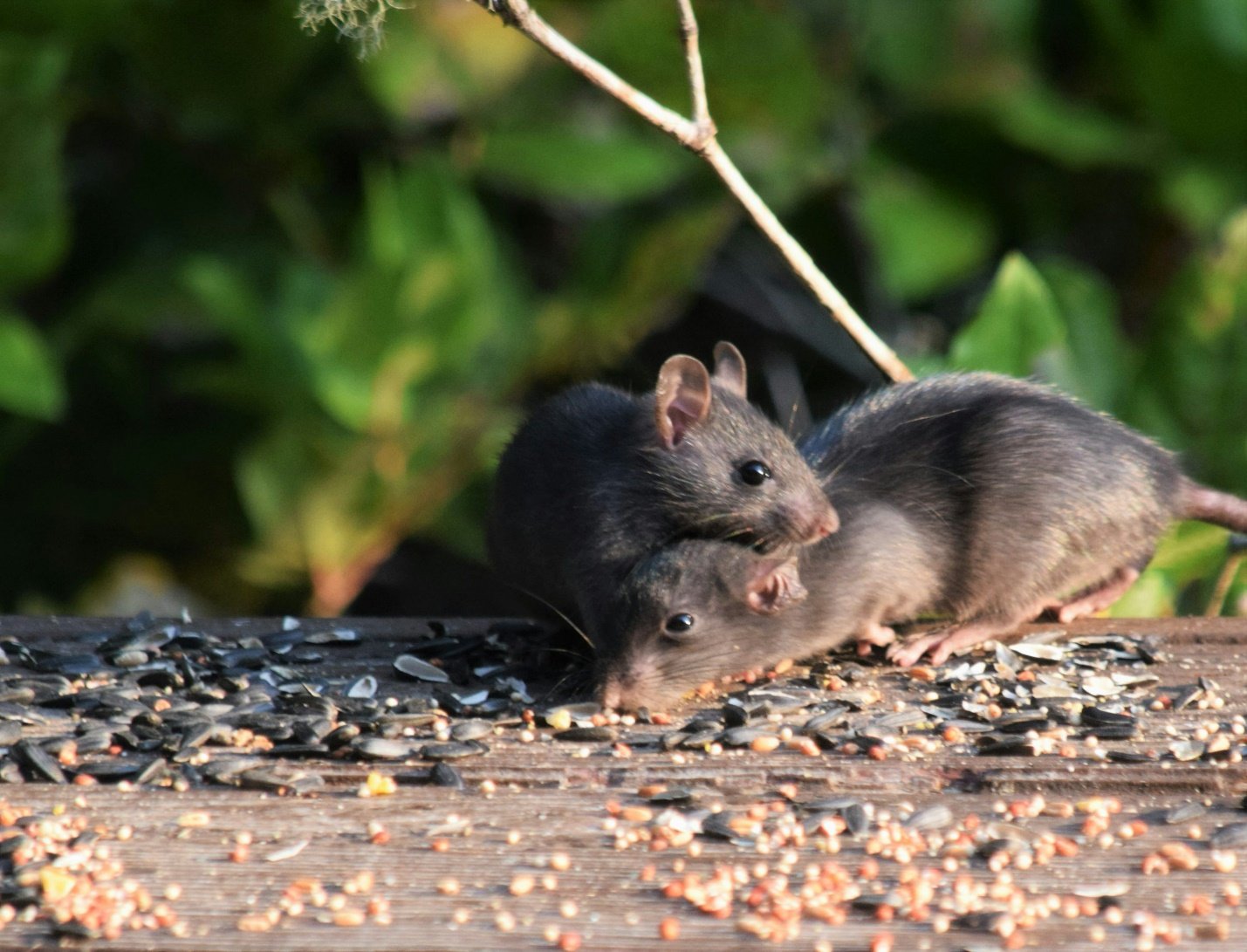
However, sealing visible gaps is only part of the solution. Different environments support different pest activity, and what works in one region may not be enough in another. Homeowners dealing with common Florida pests and rodents often need a more tailored approach to protect their homes. A thorough inspection, combined with targeted solutions, helps ensure that your efforts actually stop the problem rather than slow it down.
Control Moisture: Eliminate What Pests Need to Thrive
Moisture is one of the biggest factors that attracts pests indoors. Leaky pipes, damp basements, and poorly ventilated bathrooms create ideal conditions for insects that depend on humidity. If left unchecked, even a small plumbing issue can lead to a larger pest problem over time.
You can reduce this risk by fixing leaks quickly and improving airflow in moisture-prone areas. Using a dehumidifier in basements or laundry rooms can also help maintain a balanced environment. Outside, proper drainage matters as much. Clean gutters and direct water away from your foundation so moisture does not collect where pests can gather.
Maintain Kitchen Hygiene: Cut Off Food Sources
The kitchen is one of the most common places where pests find what they need. Crumbs, spills, and improperly stored food make meals readily accessible to insects and rodents. Even small habits, like leaving dishes in the sink overnight, can make your space more appealing than you realize.
Keeping your kitchen clean does not require complicated routines. Store food in sealed containers, wipe down surfaces regularly, and take out the trash before it builds up. Pay attention to hidden areas such as under appliances or inside cabinets, where food debris can accumulate. Consistent habits in this space go a long way in making your home less attractive to unwanted visitors.
Landscape Smartly: Create a Barrier Around Your Home
Your yard plays a bigger role in pest prevention than you might expect. When plants, mulch, or soil sit too close to your home’s foundation, they create a damp and sheltered environment where pests can thrive. This makes it easier for insects to move from the yard into your living space without much resistance.
Creating a buffer zone helps limit that risk. Keep mulch a few inches away from the foundation and trim shrubs so they do not touch exterior walls. Tree branches should also be kept away from the roof. These small adjustments reduce access points and make your home less inviting from the outside in.
Choose Outdoor Lighting Wisely: Reduce Insect Attraction
Lighting around your home can influence how many insects gather near your doors and windows. Traditional bulbs tend to attract flying insects, which in turn attract spiders and other predators. Over time, this creates more activity right where you do not want it.
Switching to yellow or LED bug lights can significantly reduce that attraction. You can also reposition lights so they sit farther away from entry points rather than directly above them. Motion-sensor lighting is another smart option since it limits constant exposure and reduces the number of insects drawn to your home at night.
Declutter Regularly: Remove Potential Nesting Areas
Clutter gives pests the shelter they need to settle in. Areas like basements, attics, and garages often serve as storage spaces, but they can also become hiding places if left unmanaged. Cardboard boxes, old fabrics, and unused items create ideal nesting conditions.
Keeping these spaces organized makes a noticeable difference. Use sealed plastic containers instead of boxes that pests can easily chew through. Try to avoid stacking items directly against walls, and check stored belongings periodically. A clean, open space is far less appealing for pests looking for a place to stay.
Routine Maintenance Checks: Stay Ahead of Problems
Regular inspections help you catch issues before they grow into larger problems. Small signs like droppings, gnaw marks, or unusual smells often appear early, giving you a chance to act quickly. Ignoring these signals can allow pests to settle in and spread.
Set a routine to check both the interior and exterior of your home each season. Look at areas such as vents, roofing, and siding for signs of wear and tear. Staying consistent with maintenance keeps your home in good condition and reduces the chances of pests finding new ways inside.
Keeping Your Home Comfortable, Clean, and Pest-Free
A pest-resistant home comes down to a few consistent habits. Seal openings to block access, keep your living areas clean to remove food sources, and control moisture so pests cannot thrive. Each step works together to create an environment that is far less inviting.
When you stay proactive, you protect more than just your home’s structure. You maintain a space that feels comfortable and well-cared-for every day. With simple adjustments and regular upkeep, you can reduce the risk of infestations and enjoy a cleaner, more relaxing living environment.