Electricity is essential in modern homes, powering lights, appliances, heating, and cooling systems. Electrical problems can be dangerous. Small problems often grow into bigger ones if they are not fixed quickly.
This article will show common signs that you need urgent power repairs and what to do about them. Continue reading to discover everything you need to know.
Flickering or Dimming Lights
One of the first signs of a power problem is flickering or dimming lights. If your lights blink often or change brightness without reason, something may be wrong with your wiring.
Loose connections, overloaded circuits, or damaged wires can cause flickering. Dimming lights when you turn on other appliances may indicate that your circuits cannot handle the load.
Do not ignore this problem. Flickering lights can be a warning of a serious electrical issue that could start a fire if left untreated.
Frequent Circuit Breaker Trips
Circuit breakers are designed to protect your home. They turn off power when too much electricity flows through a circuit. However, if your breaker trips often, it signals a recurring problem.
Frequent trips may indicate overloaded circuits, short circuits, or faulty breakers. Additionally, using the wrong type of appliances on the same circuit can also cause this.
Repeated trips are not normal and should be checked immediately. Ignoring them can damage your appliances or even start an electrical fire.
Burning Smell or Sparks
If you notice a burning smell near outlets, switches, or the breaker panel, it is a serious warning. Sparks when plugging in appliances or touching outlets are also dangerous signs.
These issues may indicate overheating wires, faulty connections, or worn-out insulation. These problems can quickly lead to fire hazards.
Do not try to fix sparks or burning smells yourself unless you are trained. Turn off the affected circuit and call a professional for help immediately.
Hot Outlets or Switches
Outlets and switches should not get hot when you touch them. If they do, it can mean there is too much electrical current flowing through the wires.
Overloaded circuits, damaged wiring, or faulty outlets can lead to heat buildup. Hot outlets pose a major fire risk. Immediately stop using any outlet or switch that feels hot. It is crucial to have a qualified professional inspect and repair it promptly.
Buzzing or Humming Sounds
Electrical components should operate quietly. If you hear buzzing or humming from outlets, switches, or the breaker panel, something is wrong.
The noise may be caused by loose wiring, overloaded circuits, or malfunctioning equipment. Ignoring these sounds can result in serious electrical failures. A qualified professional can locate the source of the buzzing and repair it safely.
Power Surges
A power surge happens when electricity spikes beyond normal levels. It can damage appliances and electronics over time.
Frequent surges may be caused by faulty wiring, problems with the electrical panel, or issues from the utility company. Power surges can shorten the life of your electronics or even destroy them. Installing surge protectors and addressing the root cause of surges is important for safety and appliance protection.
Flickering or Dead Outlets
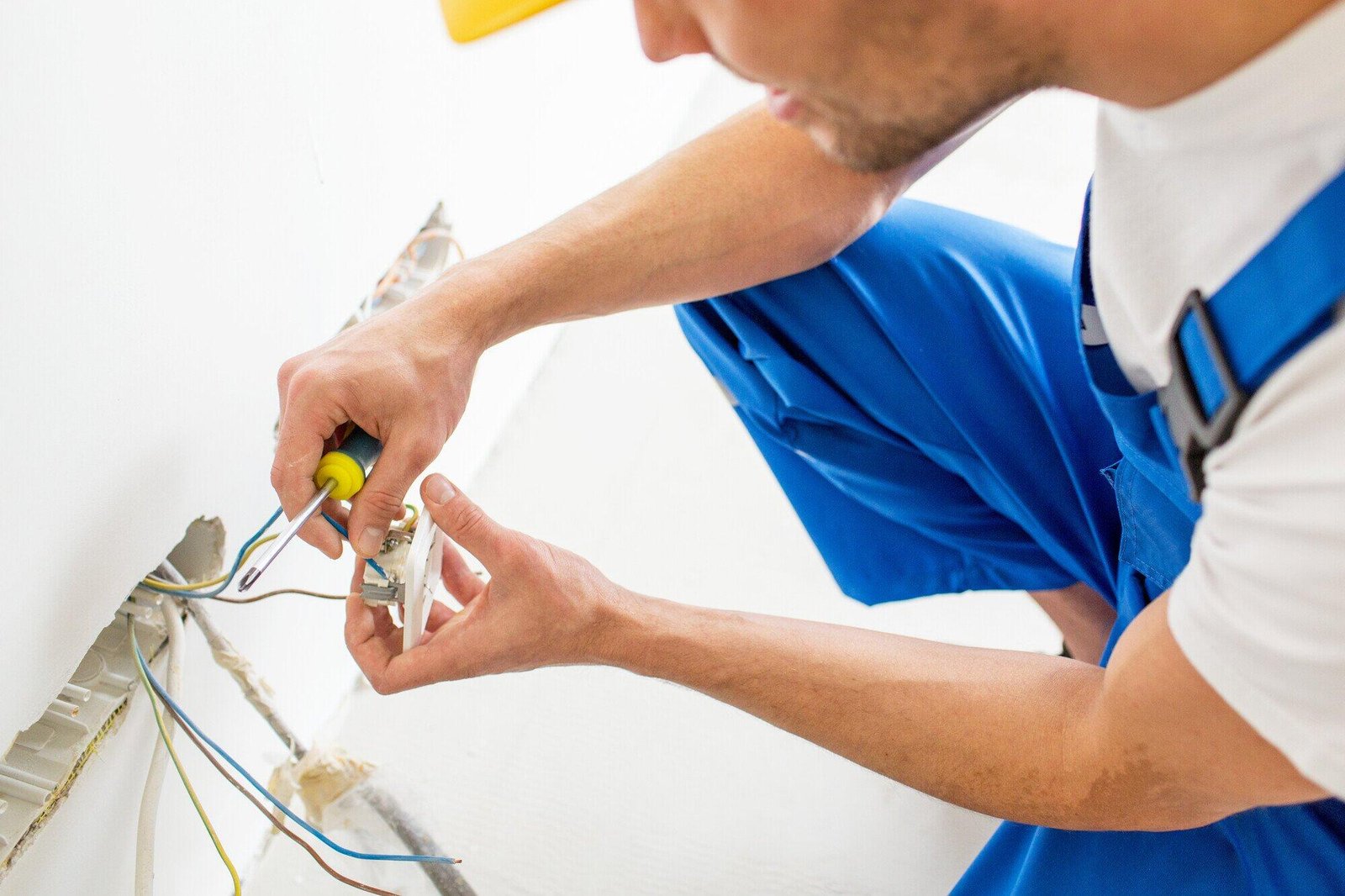
Outlets that stop working or flicker can indicate loose connections or damaged wires inside the wall.
Do not continue using outlets that do not work properly. Plugging in appliances to faulty outlets can cause sparks, overheating, or shocks. A professional can safely repair or replace these outlets and ensure your electrical system is safe.
Tripping GFCI Outlets
Ground Fault Circuit Interrupter (GFCI) outlets are designed to protect you from shocks in wet areas like bathrooms and kitchens.
If these outlets trip frequently, it may indicate water damage, faulty wiring, or a problem with the outlet itself. Do not ignore repeated trips from GFCI outlets. They are warning signs that need urgent attention.
Sudden Appliance Failures
If multiple appliances stop working or fail suddenly, the problem may be in your electrical system rather than the appliances themselves.
Issues like voltage fluctuations, short circuits, or wiring problems can cause appliances to fail. Addressing these problems quickly prevents further damage and keeps your home safe.
Outdated Electrical Panels
Old or outdated electrical panels cannot handle the demands of modern homes. They may have worn-out breakers or outdated wiring.
If your home is older than 20 years and you notice frequent electrical problems, it may be time to upgrade your panel. A modern panel can handle higher loads safely and reduce risks of fire or power failure.
Emergency Situations
Certain signs require immediate action. If you see sparks, smoke, burning smells, or hear loud popping sounds from the panel or outlets, treat it as an emergency.
If it is safe to do so, switch off the main power and contact a qualified emergency electrician promptly for fast and reliable assistance. These situations can become life-threatening if ignored.
Preventing Electrical Problems
Regular maintenance is the key to avoiding urgent repairs. Schedule inspections with a licensed electrician at least once a year.
Check your home for overloaded circuits, worn-out wires, or outdated equipment. Replace old appliances and use surge protectors to prevent damage. Educating your family about electrical safety is also important. Do not overload outlets, and avoid DIY fixes if you are not trained.
Safety Tips for Homeowners
Never ignore warning signs such as flickering lights, sparks, or burning smells, and always turn off the affected circuits before attempting any checks. Keep flammable materials away from outlets and panels, and make sure to install smoke detectors, checking them regularly to ensure they work properly. Always use only qualified electricians for any repairs or installations to keep your home safe.
Stay Alert and Protect Your Home from Electrical Hazards
Electrical problems can start small but grow into serious dangers. Flickering lights, tripping breakers, sparks, hot outlets, and unusual smells are all warning signs that should not be ignored.
Keeping an eye on your electrical system is one of the smartest ways to avoid costly and dangerous problems. Regular inspections, timely repairs, and professional help can keep your home safe, efficient, and protected at all times. Expand your knowledge and check out more posts on our blog!