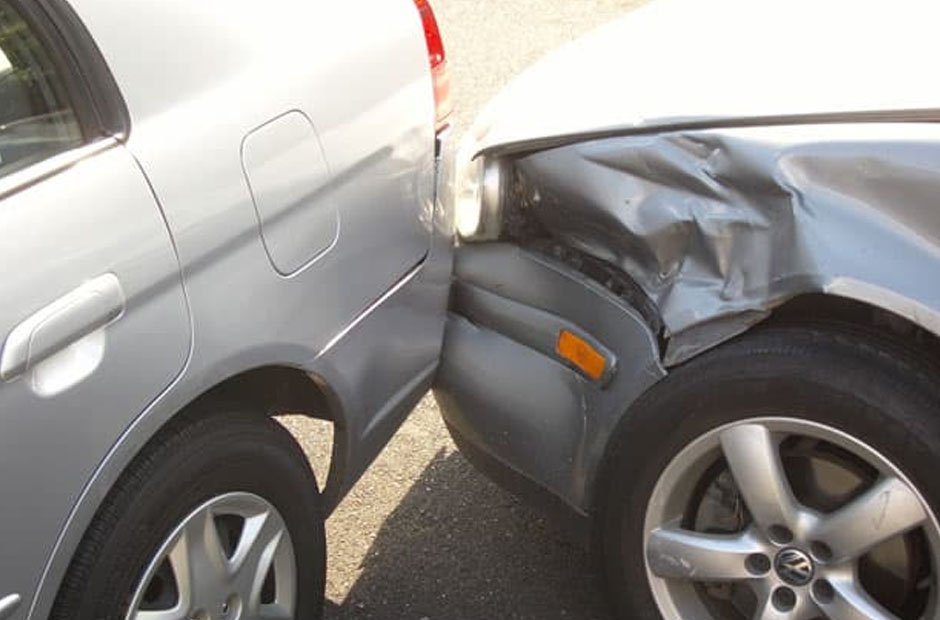
Most drivers think about insurance claims in terms of damage to the exterior of a vehicle. Scratches, dents, and broken parts usually get the most attention. But what many people do not realize is that what happens inside the car can also affect the outcome of a claim. Items like car mats and seat covers may seem small, but they can play a surprising role in both safety and compensation after an accident.
When a crash occurs, insurance companies look at every detail. They examine how the accident happened, what caused injuries, and whether any factors made the situation worse. Interior accessories, especially those that affect driver control or passenger safety, can become part of this evaluation. For example, a loose car mat that slides under the brake pedal can reduce stopping ability. A poorly fitted seat cover may interfere with airbags. These small issues can create larger consequences.
Drivers often invest in comfort and style. They choose custom mats or stylish seat covers to improve the look of their vehicle. While these upgrades can enhance the driving experience, they must also meet safety standards. A product that looks good but performs poorly may create liability concerns in the event of a crash.
Understanding how these accessories interact with safety systems helps drivers make better decisions. It also helps them protect their rights if an accident occurs. When drivers are informed, they can avoid unnecessary risks and strengthen their position during insurance claims.
How Interior Accessories Can Influence Accident Outcomes
Car mats and seat covers play a bigger role in safety than many people expect. These items are not just decorative. They interact directly with key vehicle systems such as pedals, airbags, and seat sensors. If they are poorly designed or installed incorrectly, they can affect how a driver responds in a critical moment.
One common issue involves floor mats. If a mat is not secured properly, it can shift while driving. In some cases, it can slide under the accelerator or brake pedal. This may prevent the driver from stopping quickly or controlling speed. Even a short delay can increase the severity of a collision. Investigators often look at these details when determining what caused an accident.
Seat covers can also create complications. Modern vehicles use sensors in seats to detect passengers and deploy airbags correctly. If a seat cover blocks or interferes with these sensors, the system may not function as intended. This can increase the risk of injury during a crash. Insurance companies and legal teams may review whether such interference contributed to the outcome.
Product quality matters as well. Cheap or generic accessories may not fit properly. Custom-designed products tend to provide better alignment and stability. Drivers who invest in well-fitted accessories often reduce the risk of movement or malfunction.
These factors may seem minor, but they can influence both safety and liability. A small accessory issue can become a key point in an investigation. This is why choosing the right products is not just about appearance. It is also about protection.
The Role of Evidence in Insurance Claims
After an accident, insurance claims depend heavily on evidence. Photos, reports, and witness statements all play a role. Interior conditions can also become part of the documentation. Investigators may examine whether anything inside the vehicle contributed to the accident or worsened the damage.
For example, if a loose mat is found near the pedals, it may raise questions. Did it interfere with braking? Was it properly installed? These questions can affect how fault is assigned. If an accessory is considered a contributing factor, it may impact compensation.
Drivers can protect themselves by maintaining clear records. Keeping receipts for accessories and choosing reputable products can support their case. Proper installation also matters. When accessories are installed correctly, it becomes easier to show that the driver took reasonable precautions.
Photos taken immediately after an accident can also help. Capturing the position of mats, seat covers, and other items provides valuable context. This documentation can clarify whether the accessories played any role.
Insurance adjusters aim to understand the full picture. The more detailed and accurate the evidence, the stronger the claim. Small details often make a big difference. By paying attention to interior conditions, drivers can improve their chances of a fair outcome.
Safety Standards and Product Responsibility
Automotive accessories must meet certain safety standards. Manufacturers are responsible for ensuring their products do not interfere with vehicle systems. However, not all products on the market meet these expectations. Some low-cost items may skip important testing processes.
Drivers should look for accessories that are designed specifically for their vehicle model. Custom-fit products are more likely to stay in place and work with existing systems. They reduce the risk of shifting or blocking critical components.
Karsten Kiilerich, CEO of Car Mats Customs, emphasizes the importance of precision. “We design every product to match the exact shape of each vehicle. I have seen how a poor fit can create safety risks that drivers do not expect. Our focus is on stability and durability because safety comes first. When customers choose the right fit, they gain both protection and confidence.” His approach highlights how thoughtful design improves both safety and performance.
Product responsibility also extends to installation. Even the best accessory can become a risk if it is not secured properly. Drivers should follow instructions carefully and check placement regularly. A quick inspection can prevent potential issues.
Choosing high-quality accessories is an investment in safety. It protects not only the driver but also passengers. When products meet proper standards, they support the overall integrity of the vehicle.
Legal and Insurance Perspectives
From a legal standpoint, every detail of an accident matters. Attorneys and insurance professionals analyze how each factor contributed to the outcome. Interior accessories can become part of this analysis, especially if they affect control or safety systems.
Daniel Sagal, Chief Operating Officer at Braff Law Car Accident Personal Injury Lawyers, explains how these details influence claims. “In personal injury cases, we examine every factor that may have contributed to an accident. I have seen situations where small interior issues became important evidence. When drivers take steps to maintain safe conditions, it strengthens their position. Clear documentation and proper product use can make a meaningful difference in the outcome.” His experience shows how careful preparation can support a stronger legal case.
Insurance professionals also evaluate risk from a coverage perspective. Policies may include conditions related to vehicle modifications or accessories. Understanding these terms helps drivers avoid complications during claims.
David Robbins, Founder of IllinoisDrivers.com, shares insight from the insurance side. “I have worked with many drivers who were surprised by how small details affected their claims. Insurance companies look at everything, including how the vehicle was maintained. When drivers choose safe, well-fitted accessories, they reduce uncertainty. That clarity helps claims move faster and more smoothly.” His work in simplifying insurance processes highlights the value of preparation.
Both legal and insurance experts agree on one point. Attention to detail matters. Small decisions made before an accident can influence outcomes afterward.
Real-World Lessons and Practical Steps
Drivers can take simple steps to reduce risk and protect their claims. First, choose high-quality accessories designed for specific vehicle models. Custom-fit products provide better stability and alignment. Second, install accessories correctly and check them regularly. A quick adjustment can prevent major issues.
Third, keep records of purchases and installation. Documentation shows that the driver took responsible steps. Fourth, take photos after an accident, including the interior. This helps create a clear picture of what happened.
In one real-world example, a driver involved in a minor collision was able to show that their custom mats were securely fixed in place. This evidence helped confirm that the accident was caused by external factors rather than driver error. As a result, the claim was processed quickly and without dispute.
These actions may seem simple, but they build a strong foundation. They reduce risk, improve safety, and support fair outcomes. Preparation before an accident makes a difference afterward.
Conclusion: Small Details, Big Impact
Car mats and seat covers may seem like minor details, but they can have a real impact on safety and insurance claims. These accessories interact with critical systems and can influence how accidents unfold. When chosen and installed correctly, they support protection. When neglected, they can create complications.
Experts like Daniel Sagal, David Robbins, and Karsten Kiilerich highlight the importance of attention to detail. Their insights show that safety is not only about major components. It is also about the smaller elements that drivers often overlook.
The key takeaway is clear. Smart choices before an accident lead to better outcomes after one. By selecting high-quality accessories, following proper installation practices, and keeping clear records, drivers can protect themselves and their claims.
In the end, safety goes beyond the bumper. It extends to every part of the vehicle, including the details beneath your feet and behind your back.