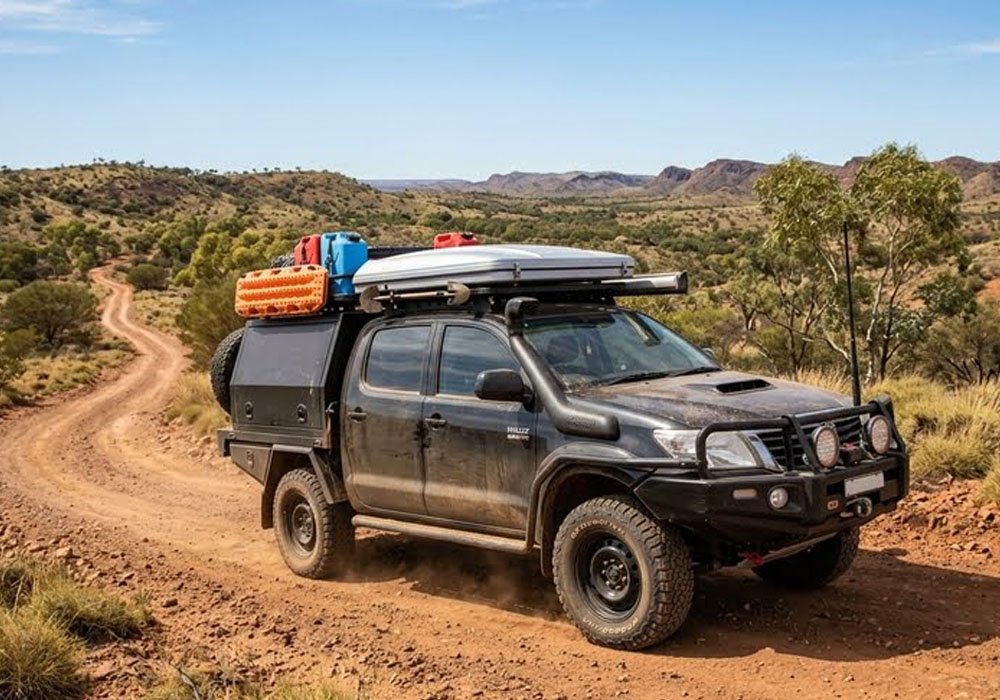
Australians are embracing domestic travel like never before, with regional destinations capturing the vast majority of overnight camping trips. At the heart of this booming outdoor lifestyle is the trusty dual-cab ute. These versatile 4x4s have become the undisputed kings of the road for families and solo explorers alike. According to the Federal Chamber of Automotive Industries, the top four selling vehicles in Australia were all utes, singlehandedly making up over 15.2 percent of all vehicle sales across a market of more than 400 models.
Because they serve as both daily drivers and weekend off-grid basecamps, preparing your vehicle correctly is the key to a safe and enjoyable journey.
Protecting Your Gear from the Elements
When you head into the Outback or along the coast, keeping your camping gear, recovery equipment, and supplies secure is a top priority. Standard factory tubs leave your valuable items exposed to harsh weather, dust, and opportunistic theft. This is why investing in a heavy-duty storage solution is one of the most critical upgrades you can make before setting off on a long journey.
For those driving the country’s most popular models, installing a premium Ford Ranger canopy completely transforms the rear of the vehicle. Upgrading to a lightweight aluminium gullwing design provides secure, weatherproof storage without unnecessarily cannibalising your legal payload limit. These reinforced structures safely support rooftop loads like tents or awnings, centralising weight distribution over the rear axle to maintain proper handling on rugged tracks.
Managing Your Payload and Weight Limits
Building the ultimate touring vehicle is exciting, but it is incredibly easy to overload your 4×4 without realising it. Every vehicle has a Gross Vehicle Mass, commonly known as GVM, which is its absolute legal weight ceiling. This figure includes the kerb weight of the vehicle plus passengers, aftermarket accessories, and any tow ball down weight if you are hauling a caravan or camper trailer.
Operating over your legal GVM causes severe mechanical strain, can void your insurance, and may result in heavy fines during roadside compliance inspections. When planning your build, you must carefully account for the items that rapidly consume your available capacity:
- Heavy steel bullbars, side steps, and roof racks.
- Full fuel tanks (a standard 80-litre tank consumes around 58kg of your payload limit before anything else is added).
- Long-range water tanks, refrigerators, and food supplies.
- Heavy 3,500kg trailers, which usually impose a tow ball down weight of around 350kg.
To stay legal and safe, many owners opt for lightweight aluminium storage solutions instead of heavy steel alternatives. For extensive touring setups, seeking an engineering-certified GVM upgrade is highly recommended to ensure the vehicle complies with strict Australian Design Rules for braking and stability.
Suspension and Recovery Upgrades
Once your storage and weight management strategies are in place, upgrading your suspension is the logical next step. Factory suspension is designed for unladen comfort around town, not for carrying heavy loads across corrugated dirt roads. A quality aftermarket suspension kit will restore your vehicle’s ride height, improve load-carrying capabilities, and provide better articulation over uneven terrain. Upgraded shock absorbers also help prevent suspension fade during long stretches of rough Outback travel. When factoring in the additional weight of camping supplies and a sturdy canopy, progressive rate springs and premium shock absorbers become indispensable for safe handling.
Equally important is a comprehensive recovery kit. Even the most capable vehicles can get bogged in soft beach sand or thick mud. Ensure you carry rated recovery straps, heavy-duty shackles, a long-handled shovel, and reliable recovery boards. Mounting these boards externally on your canopy saves precious interior space and ensures they are immediately accessible when things go wrong on the trail.
Planning Your Next Adventure
Modifying your vehicle requires careful thought, budgeting, and planning, but the reward is a reliable off-grid basecamp that can take you anywhere. Whether you are navigating remote desert tracks, crossing shallow rivers, or hunting for the perfect coastal campsite, your upgraded 4×4 will provide peace of mind and incredible utility.
After the spanners are put down and your camping gear is meticulously packed into your new setup, the only thing left to do is map out your route. If you are looking for inspiration on where to test out your new vehicle, reading our dedicated automobile section is a great way to discover tips for planning a scenic road trip adventure. With the right preparation, high-quality storage modifications, and a capable ute, the diverse Australian landscape is completely yours to explore safely and comfortably.