Maintaining your car’s exterior is more than just keeping it looking good. Consistent paint protection routines can help extend your vehicle’s life and preserve its resale value. Environmental hazards like UV rays, bird droppings, and harsh weather can cause fading, chipping, and other paint-related issues over time. When you invest in effective automotive paint protection, you give your car the best chance to look pristine for years.
Damage from sun, acid rain, road salt, and pollution is inevitable if your car’s finish is neglected. Having a clear understanding of today’s best protection solutions helps you defend your vehicle from future harm.
Many drivers overlook the small steps that can make a big difference for appearance and longevity. Simple, proactive habits can save you from costly repainting and keep your car’s surface glossy. Specialized protection methods are widely available and suit a range of budgets and needs.
For those looking to cover all aspects of car care, thorough auto detailing not only restores the paint but also maintains protection for vital mechanical components, further extending your vehicle’s lifespan.
Regular Washing and Drying
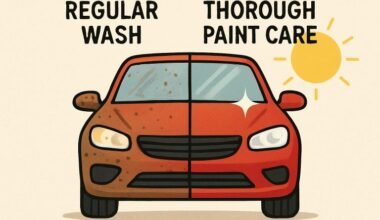
Frequent washing removes harmful buildup, such as dust, salt, tree sap, and insect residue. This is essential because even small particles can eat away at your car’s paint over time. Always use a dedicated car shampoo that is pH-balanced to avoid stripping off protective layers. Pair it with a microfiber mitt to minimize surface scratches. After washing, dry your car with a clean microfiber towel to prevent unsightly water spots and keep your finish smooth. Washing your car every one to two weeks is usually optimal for most environments.
Applying Car Wax
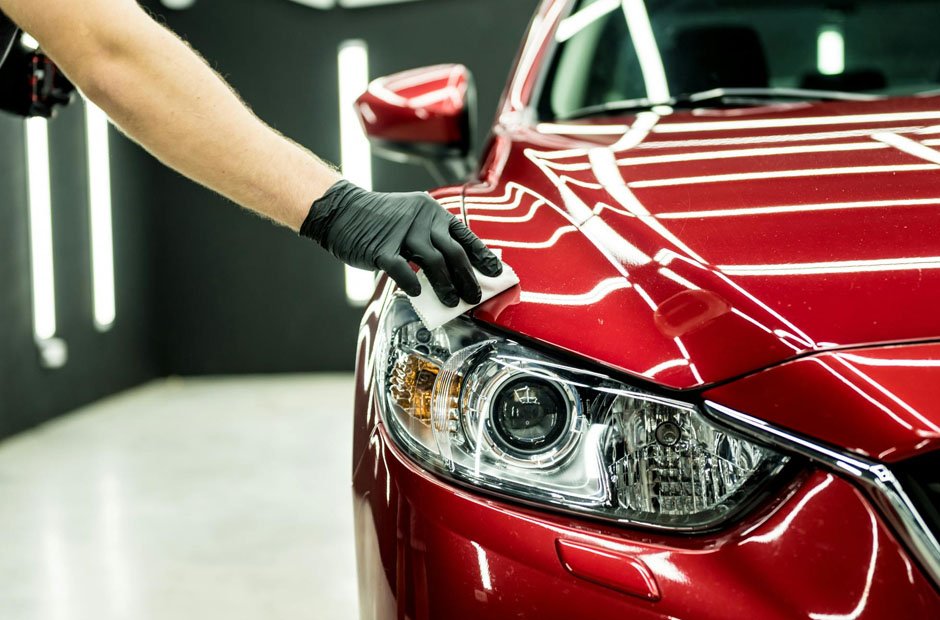
Car wax forms a visible, protective skin over your paint, guarding against UV damage and pollutants. Waxing should ideally be done every 3 to 4 months and can dramatically enhance your car’s shine and color depth. While both liquid and paste waxes offer good protection, paste wax often results in a richer gloss. Routine waxing helps contaminants slide off and makes subsequent washes easier.
Using Paint Sealants
Paint sealants are synthetic alternatives to wax, designed for longer-lasting, tougher protection. These products can shield your car from oxidation, acid rain, and UV rays for up to six months per application. Unlike natural waxes, sealants bond to the paint at a molecular level. They should only be applied to a clean and totally dry surface for the best results. Paint sealants are a favored option for those seeking low-maintenance, long-lasting protection.
Ceramic Coating
Ceramic coatings provide a technologically advanced layer of protection via a liquid polymer that chemically bonds with your car’s paintwork. Once applied, the coating becomes a semi-permanent shield against UV damage, chemical stains, and micro-scratches. A major advantage is its hydrophobic property, which causes water to bead up and run off, making cleaning easier and less frequent. A professional application is recommended for maximum durability and a glossy finish.
Paint Protection Film
Paint Protection Film (PPF) is a transparent, self-healing urethane film that you apply directly to vulnerable areas of your car’s exterior. The most common benefits include serious resistance against stone chips, scratches, and road debris. PPF is especially valuable for areas such as bumpers, hoods, and side mirrors. With proper installation and care, paint protection films can last for up to 10 years.
Parking Strategies
Where you park every day matters. Covered parking, such as a home garage, substantially reduces your car’s exposure to sunlight, acid rain, pollen, and other paint hazards. If you must park outside, look for shaded spots but avoid parking directly under trees, which can drip sap and attract birds. Using smart parking habits helps minimize the frequency and intensity of paint damage.
Using Car Covers
Car covers are a portable solution to fend off dust, bird droppings, sun, and even minor dings. Selecting a high-quality, breathable cover is essential to prevent moisture from becoming trapped, which can lead to mold or mildew. Ensure the cover fits snugly to avoid chafing in the wind, which may cause scratches. Regularly using a cover is an excellent, affordable step for anyone who often leaves their car outside.
Regular Maintenance
Paint protection isn’t just external; using a clay bar regularly removes deep contaminants, and polishing reduces swirl marks and restores shine. Use trusted brands and follow instructions to prevent damage. Routine professional care, especially when scratches or dullness appear, can save money long-term. These strategies protect your car, keep paint vibrant, cut repair costs, and maintain pride for miles.
Conclusion
In conclusion, protecting your car’s paint involves preventative care, protective products, and regular upkeep. Using wax, sealants, ceramic coatings, and paint protection film all help preserve your vehicle’s finish. Simple habits like smart parking and a quality cover also minimize environmental damage. Long-term protection depends on consistent care, including detailing and surface correction as needed. These strategies keep your car looking new longer and prevent costly repairs.