Key Takeaways
- Embrace a master plan to ensure cohesive and efficient renovations.
- Incorporate sustainable materials and practices for long-term benefits.
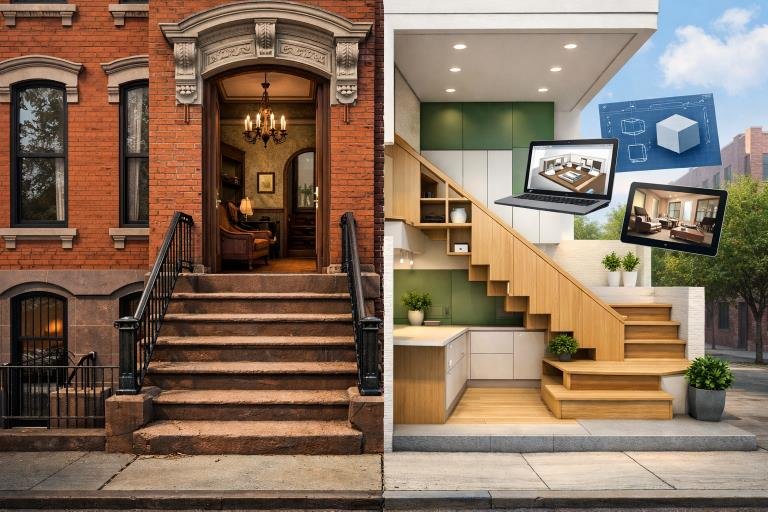
- Blend historical elements with modern design to preserve character.
- Utilize advanced technologies to enhance design precision and creativity.
New York City’s built environment is a nuanced tapestry woven from historic details and modern energy. The challenge of renovating these architectural spaces lies in respecting a building’s origins while introducing current design sensibilities. For guidance that seamlessly merges tradition and innovation, working with an expert interior designer in NYC for architectural renovations becomes invaluable. Effective renovations not only enhance functionality and comfort but also ensure aesthetic harmony between old and new.
From Greenwich Village brownstones to sleek SoHo lofts, renovations in NYC’s neighborhoods require an approach that is both respectful of the past and mindful of changing needs. As the city continues to evolve, so must the interiors of its most storied buildings, with each space presenting unique challenges and opportunities for creative transformation.
Developing a Comprehensive Master Plan
A thorough master plan is essential to achieving cohesive results in any renovation. Without a clear vision, even a small upgrade can unravel into a patchwork of inconsistent elements. Planning for the full scope at the outset, even if the renovation is staged over time, ensures consistency in style and purpose. Experts point out that a complete master plan helps preserve budget, timeline, and design intent. According to Architectural Digest, developing an overall vision minimizes regretful decisions and costly do-overs down the road.
Homeowners should collaborate closely with their designers and contractors to clarify goals, prioritize needs, and anticipate both current and future uses of the space. Such strategic planning regularly results in a more satisfying, timeless renovation, especially in a city where every square foot is precious, and regulations can be complex.
Prioritizing Sustainability in Design
Integrating sustainable materials and practices into design is not just a matter of environmental goodwill but a prudent investment in the longevity and versatility of the space. Durable materials, such as reclaimed wood or eco-certified stone, offer a lower environmental impact and stand up to the test of time. Flexible layouts designed to adapt to changing household needs are also increasingly popular, as they prolong the usability of a renovation and prevent future waste.
Many designers in New York now embrace vintage or locally sourced furniture to support sustainability while infusing spaces with unique character. These creative strategies align with broader trends toward responsible living and conscious consumption, principles especially vital in dense urban areas.
Blending Historical Elements with Modern Design
One of the hallmarks of successful NYC renovations is the deft integration of a building’s original character with contemporary sensibilities. Elements such as intricate moldings, dramatic staircases, or exposed brickwork can be carefully preserved and showcased alongside new interventions. For example, the renovation of a Brooklyn townhouse lobby restored historical details and introduced modern lighting and furniture, resulting in a space that feels both authentic and refreshed. This thoughtful hybridity ensures that each project honors its architectural heritage while adapting to 21st-century lifestyles.
Utilizing Advanced Technologies
Design technology has moved well beyond simple blueprints. Today, tools such as 3D modeling, augmented reality, and advanced rendering techniques give homeowners and designers a clear, interactive sense of what the finished space will look like. Automated approaches, including sophisticated algorithms for historical façade regeneration, enable hyper-realistic visualizations. These innovations streamline the design process, foster creative experimentation, and help organize complex projects, especially important for navigating NYC’s varied zoning restrictions and building regulations.
Embracing Minimalism with Elevated Materials
The trend toward luxury minimalism is gaining traction among NYC’s discerning clients. Clean lines, open spaces, and bold but simple surfaces provide a sense of calm and sophistication amid the city’s bustling environment. Rather than crowding rooms with ornate detailing, designers recommend investing in premium finishes, such as fluted wood paneling, large-format porcelain, and custom millwork, that create visual interest through texture and craftsmanship rather than excess.
Integrating Smart Storage Solutions
Storage is a perennial challenge in New York apartments. Visually integrated, built-in solutions are essential to maximize every inch without sacrificing the integrity of the design. Custom shelving, under-stair cabinetry, or reimagined closets can dramatically enhance functionality without cluttering the space. This kind of thoughtful storage is integral to the clean, minimal look so often desired in renovated NYC homes, as well as to the realities of urban living.
Conclusion
Renovating New York City’s architectural spaces demands a selective, skilled approach that balances respect for history with forward-thinking vision. Through comprehensive planning, sustainable material selection, skillful blending of old and new, and the use of advanced technologies, homeowners can create interiors that are both innovative and timeless. By drawing on the expertise of experienced professionals and focusing on quality and intention at every step, each renovation can celebrate the city’s storied past while offering smart solutions for contemporary life.