The H-1B visa program has historically connected talented foreign professionals with American employers across specialized industries. As policy reforms take effect in 2025, significant modifications to the program are reshaping the visa landscape. For both organizations seeking top-tier talent and individuals aspiring to build careers in the United States, a thorough understanding of these reforms is essential. For more in-depth information on the H-1B process and ongoing program changes, read this complete guide.
Responding to labor and economic pressures, recent updates have introduced stricter requirements geared toward protecting the domestic workforce while elevating standards for overseas applicants. Employers and applicants are now adapting to higher costs and increased competition, both of which are redefining the selection process for high-skilled immigration to the United States.
These developments not only raise new barriers to entry but also prompt businesses to closely examine recruitment strategies, compensation packages, and alternatives to traditional H-1B sponsorship. As policymakers and stakeholders debate the impact, staying informed is vital for those navigating this evolving system.
Extensive coverage and analysis of U.S. immigration and work visa trends can be found at reputable outlets such as The New York Times, helping readers monitor further updates.
Introduction of a $100,000 Application Fee
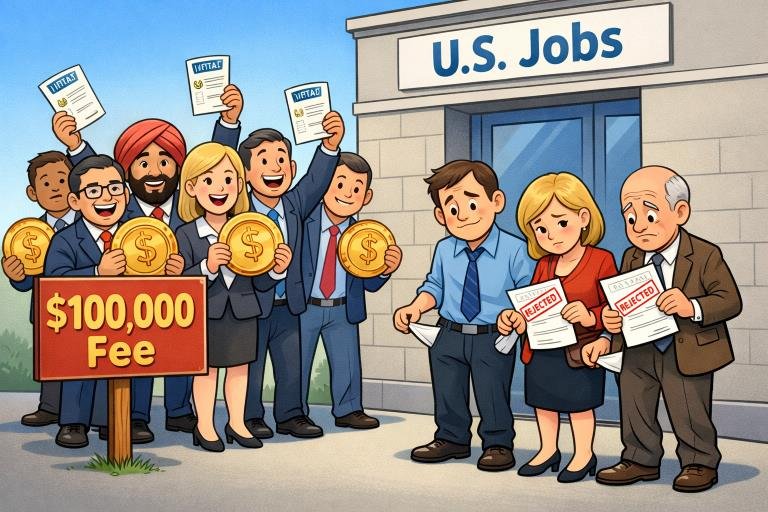
In a major policy shift unveiled by the Trump administration in September 2025, the H-1B visa application fee increased dramatically to $100,000 per filing. According to the Department of Homeland Security, this steep hike targets the misuse of the program and is expected to deter speculative or fraudulent petitions. Notably, the fee applies solely to first-time applicants, leaving renewal processes and current holders unaffected. While the stated goal is to preserve limited visa numbers for candidates with the most valuable skills, business groups have expressed concern, arguing that this change could disproportionately affect smaller companies and startups.
Prioritization of Higher-Paid Workers
In tandem with the fee increase, the Department of Homeland Security has overhauled the H-1B selection process. Under the new system, candidates are no longer chosen through the random lottery that has governed visa allocation for years. Instead, selection now favors applicants offered higher wages and who hold advanced expertise in their fields. The intention is to attract the world’s leading professionals and align with a labor market that values specialized skill sets, all while safeguarding the wage standards of the domestic workforce. This reform is also aimed at motivating employers to offer optimal compensation, strengthening the U.S. position as a global talent magnet.
Legal Challenges and State Responses
The rollout of these new provisions has triggered legal pushback across multiple states. States like California, heavily dependent on tech industry talent, filed lawsuits challenging both the steep fee and the wage-based preference system. Critics argue these changes could exacerbate workforce shortages in sectors such as healthcare and technology, harming innovation and economic growth at the state level. The complaints also question whether the federal government’s approach will survive judicial scrutiny, with ongoing litigation possibly shaping the implementation timeline and the future of employment-based immigration policy.
Impact on Employers and Applicants
These policy shifts significantly affect both U.S. employers and prospective foreign hires. For corporations, especially those sponsoring several international professionals each year, the $100,000 application fee creates substantial financial hurdles, narrowing the pool of businesses that can participate. Smaller employers and nonprofit organizations face greater obstacles compared to large, well-funded entities. Meanwhile, applicants encountering the wage-prioritized system may find opportunities depend more heavily on the salary offered than ever before, increasing competition for high-paying roles and reducing options for early-career professionals.
Strategies for Navigating the New Landscape
Given these major adjustments, organizations should proactively revise their policies and workforce strategies. Key recommendations include:
- Review Compensation Structures:Employers should audit market rates and adjust pay scales, as higher wages increase selection chances under the new system.
- Explore Alternative Visa Categories:Consider other employment-based visa options that may offer less restrictive requirements, such as the O-1 for individuals with extraordinary ability.
- Stay Updated on Legal Developments:Monitor litigation and proposed federal actions, as court decisions or future administrations may alter H-1B requirements.
Experts from organizations like the Brookings Institution have highlighted the importance of adapting hiring tactics and staying flexible amid regulatory change.
Conclusion
Recent changes to the H-1B visa program mark a significant transformation in U.S. immigration policy for skilled workers, focusing on both higher pay and workforce quality. As the new fee structure and wage-centric selection process take hold, employers and international applicants must navigate a more demanding and competitive environment. For success, businesses will need to revisit existing policies, and individuals will benefit from strategic preparation, all while staying alert to coming reforms and continuing legal battles.