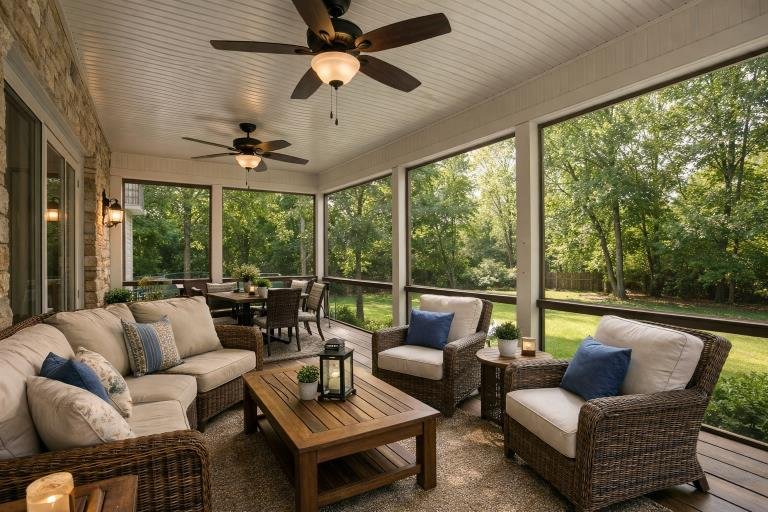
Outdoor living spaces are now viewed as extensions of the home and have become crucial for homeowners seeking to enhance their property value and daily enjoyment. Whether sprawling wood structures or charming screened-in porches, these additions provide an inviting transition from indoor comfort to the beauty of the outdoors. Choosing features like custom screened porches can transform a backyard into a destination for relaxation and entertaining, while seamlessly blending style and function. With more families prioritizing experiences at home, decks and porches are increasingly sought after. They offer versatile settings for everything from morning coffee to evening gatherings. Homeowners also find that these outdoor retreats connect them to nature without sacrificing privacy or shelter, making outdoor living accessible year-round.
Enhancing Home Value
Decks and screened-in porches add significant value to residential properties by effectively increasing the usable square footage. Well-designed outdoor living spaces can yield a return on investment of up to 120 percent at home resale. These features make homes more appealing to potential buyers, especially those looking for practical, ready-to-enjoy outdoor areas. Furthermore, experts agree that investing in an outdoor living area is one of the most rewarding upgrades a homeowner can make. Not only does a quantifiable boost in property value result, but these additions often help homes stand out in crowded real estate markets. Prospective buyers increasingly seek properties with versatile outdoor features, seeing them as essential rather than just extra perks. As a result, a home with a thoughtfully designed porch or deck can attract offers faster and often at a higher price point.
Year-Round Comfort
Screened-in porches are particularly attractive for their ability to offer comfortable outdoor enjoyment year-round. During hot summers, they offer a shaded respite, and during wet or chilly weather, they offer necessary shelter. In regions with unpredictable climates, such as the Northeast and Midwest, this adaptability is a key selling point, allowing homeowners to maximize time spent outdoors throughout the year. With appropriate heating and cooling options, such as ceiling fans for summer and infrared heaters for fall and winter, these spaces can be enjoyed virtually every month. Thoughtful placement of windows and screens helps regulate airflow and temperature, ensuring comfort whether you’re tackling work on a laptop, enjoying family meals, or simply unwinding with a good book. All-season furniture and weather-resistant fabrics further improve the usability of these spaces during varying weather conditions.
Design Flexibility
The modern approach to decks and porches is all about customization. Today’s options are far more than simple platforms. Homeowners can choose from a range of layouts, from single-level spaces ideal for dining to multi-tiered gathering zones with integrated features like seating, lighting, and even built-in fire pits. This creativity enables personalization that reflects the resident’s unique tastes and lifestyles, making each outdoor space distinct in function and design. Some homeowners opt for seamless transitions between indoor and outdoor areas by installing sliding glass doors or retractable walls. In contrast, others incorporate unique architectural touches, such as pergolas or privacy screens. The latest trends also feature technology integration, with outdoor audio systems, smart lighting, and even outdoor televisions. No matter the style, design flexibility ensures the space can evolve alongside changing needs and lifestyle preferences over time.
Protection from Elements
One practical benefit of screened-in porches is protection from insects, wind, and direct sunlight. Screens act as barriers to mosquitoes and other pests, ensuring peaceful outdoor relaxation. Additionally, these porches offer shade and shelter during sudden rainstorms or on hot afternoons, extending their usability to nearly any day of the year. Multi-purpose outdoor spaces have become essential as families seek out safe, comfortable environments to unwind or gather with friends. For further insights on maximizing outdoor living environments, readers can explore articles by This Old House, which offer inspiring ideas for decks and screened-in porches alike.
Creating Multi-Functional Spaces
Decks and porches can serve far more than just seasonal seating areas. With thoughtful design, they become multi-functional: a deck can double as an alfresco dining area or outdoor kitchen, while a screened-in porch might be used for work, play, or even an outdoor yoga studio. Adding features such as overhead fans, movable screens, and portable heaters expands the space’s potential uses, making it suitable for gatherings, hobbies, or everyday relaxation. Many families are now incorporating dedicated areas for children’s play, cozy reading nooks, or flexible zones that can transform for parties or quiet retreats as needed. Built-in planters, storage benches, and accent lighting can boost functionality without sacrificing aesthetics. Even small spaces can benefit from multi-use planning, maximizing every available square foot for efficiency and enjoyment.
Material Selection
Material choice is crucial for both performance and longevity. Wood, composite, and concrete are among the leading options, each with unique advantages. Composite decking, for example, boasts low maintenance needs and resistance to weather and insect damage. Wood delivers traditional charm but may require more robust care, especially in damp or sunny climates. Choosing materials should balance durability with the desired appearance and the local climate’s demands. Modern material advancements offer even more choices, such as recycled or sustainable products and materials that mimic the look of wood with enhanced durability. Consulting with professionals can help homeowners navigate the many choices available, from eco-friendly composite boards to durable, low-maintenance metals. Ultimately, the right material not only withstands the elements but also complements the home’s overall exterior design.
Maintenance Considerations
All decks and porches require some maintenance to remain safe and beautiful. Regular cleaning, sealing, and inspections help prevent decay and ensure structural integrity. The frequency and type of maintenance depend largely on the material; for instance, natural wood usually needs annual sealing and periodic repairs, while composite materials require washing. Considering maintenance during the design phase can help homeowners select the most suitable option for their climate and lifestyle. Scheduling routine checks for loose fasteners, splintered wood, or worn finishes can prolong the life of your outdoor space and protect your investment. Many homeowners opt for professional cleaning and sealing services, especially for larger or more complex installations. Proactive care can prevent small issues from turning into costly repairs and keep your deck or porch a safe, appealing haven for many years to come.
Conclusion
A well-designed deck or screened-in porch is a valuable investment and a cherished extension of any home. By choosing the right materials, focusing on functional and versatile design, and planning for ongoing maintenance, homeowners can create spaces that not only increase property value but also enrich their day-to-day living. Outdoor living can be comfortable and stylish year-round, providing lasting enjoyment for families. In conclusion, decks and screened-in porches are more than just outdoor projects; they’re lifestyle enhancements that bridge the indoors and the outdoors. Thoughtful planning of these spaces gives homeowners the best of both worlds and ensures every moment spent at home is maximized for comfort, connection, and relaxation.