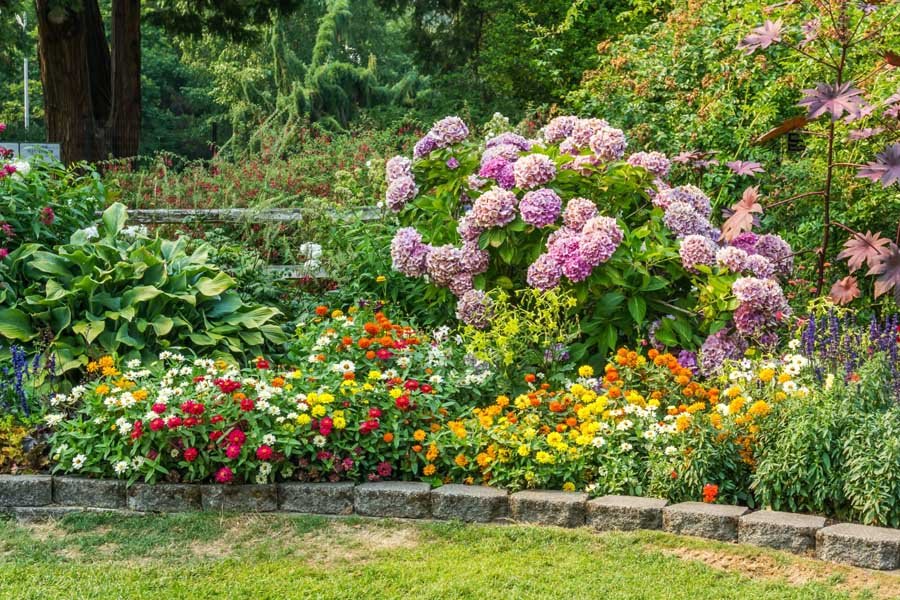
A beautiful garden does not happen by chance. It starts with careful planning and a good eye for color. Nature gives us many colors, shapes, and textures to work with. When used well, these elements can turn any outdoor space into a stunning garden.
Many gardeners focus only on flowers. While flowers are important, leaves, stems, and textures also play a big role. A garden becomes more interesting when different features work together.
Continue reading to discover everything you need to know.
Understanding Nature’s Color Palette
Nature offers a wide range of colors. Greens come in many shades, from light lime to deep forest tones. Flowers add reds, yellows, pinks, blues, and purples. Even bark, stones, and soil can add color to a garden design.
Choosing a color theme can help create a more organized look. Some people like bold colors that stand out. Others prefer soft colors that feel calm and relaxing. A simple color plan can make a garden look balanced and attractive.
Using Color to Create Mood
Colors can change how a garden feels. Warm colors such as red, orange, and yellow create energy. They draw attention and make spaces feel lively. These colors often work well near patios and gathering areas.
Cool colors such as blue, purple, and white create a peaceful feeling. They can make a garden feel larger and more relaxing. Many gardeners use cool colors in quiet spaces. These colors are ideal for areas meant for rest and reflection.
Layering Plants for Visual Interest
Plant layering helps create depth in a garden. Tall plants are usually placed at the back of a bed. Medium-sized plants go in the middle, while shorter plants stay in front. This arrangement allows every plant to be seen clearly.
Layering also helps create a natural look. Gardens in nature rarely grow in straight rows. Different heights make a space feel fuller and more inviting. This simple technique can greatly improve a garden’s appearance.
Mixing Textures for Balance
Texture is just as important as color. Some plants have large leaves, while others have small or narrow foliage. Combining different textures creates contrast and keeps the garden from looking flat. It also adds interest throughout the year.
Soft grasses can look beautiful next to broad-leaf plants. Fine-textured plants can help balance larger, bolder foliage. Mixing textures helps each plant stand out. This creates a more pleasing design.
Choosing Plants for Every Season
A garden should look attractive all year. This is why seasonal planning is important. Some plants bloom in spring, while others shine in summer or fall. Evergreen plants provide color even during winter months.
Selecting plants with different bloom times keeps the garden colorful. As one plant finishes blooming, another begins. This creates constant interest throughout the year. A well-planned garden never feels empty.
Creating Focal Points
Every garden benefits from a focal point. A focal point is something that draws the eye. It may be a bright flower bed, a unique tree, or a decorative feature. Focal points help guide attention through the garden.
Too many focal points can make a garden look busy. It is usually best to choose one or two main features. This helps create a cleaner and more organized design. A strong focal point adds character and charm.
Using Repetition for Harmony
Repeating colors and plants creates unity. When the same colors appear in different areas, the garden feels connected. Repetition helps tie separate spaces together. It also creates a sense of order.
You do not need to repeat every plant. Even repeating one color or texture can make a difference. Small touches throughout the garden help create flow. This makes the design feel complete.
Working With Natural Light
Sunlight changes how colors appear. Bright sunlight can make colors look stronger. Shaded areas often create softer and cooler tones. Understanding light conditions helps gardeners choose the right plants.
Observe your garden throughout the day. Notice which areas receive full sun and which stay shaded. Use this information when selecting plants. Matching plants to the right location helps them thrive.
Adding Contrast for Impact
Contrast makes a garden more exciting. Dark leaves can look striking beside bright flowers. Tall plants can stand out next to lower-growing varieties. These differences help create visual interest.
Too much contrast can feel overwhelming. Balance is important. Use contrast in a way that highlights special features without creating clutter. A thoughtful approach keeps the garden attractive and easy to enjoy.
Planning for Easy Maintenance
A beautiful garden should also be easy to care for. Choose plants that suit your climate and growing conditions. Healthy plants require less work and often perform better. This makes gardening more enjoyable.
Using drought tolerant plants choices can reduce watering and maintenance needs. Grouping plants with similar care requirements can also save time. A low-maintenance garden stays beautiful with less effort. Good planning helps prevent future problems.
Incorporating Natural Elements
Plants are not the only part of garden design. Natural elements such as rocks, mulch, and wood can add beauty and texture. These materials help create structure and contrast. They also support the overall design.
Stone paths can guide visitors through the garden. Decorative rocks can highlight special planting areas. Natural materials blend well with plants and flowers. Together, they create a balanced outdoor space.
Designing Small Garden Spaces
Even a small garden can make a big impact. Limited space simply requires careful planning. Choosing the right plants and colors can make a small area feel larger. Smart design helps maximize every inch.
Use vertical space when possible. Trellises, climbing plants, and tall containers add height without taking up much room. Light colors can also make spaces feel more open. Small gardens can be just as beautiful as large ones.
Bringing Nature’s Colors Together
Nature provides endless inspiration for garden design. By combining colors, textures, shapes, and seasonal interest, gardeners can create spaces that feel welcoming and beautiful. Simple design principles can make a big difference. Even small changes can improve the overall look of a garden.
The best gardens reflect the beauty found in nature. Careful plant selection and thoughtful arrangement help create harmony and balance. With a little planning and creativity, anyone can design a stunning outdoor space.
Expand your knowledge and check out more posts on our blog!