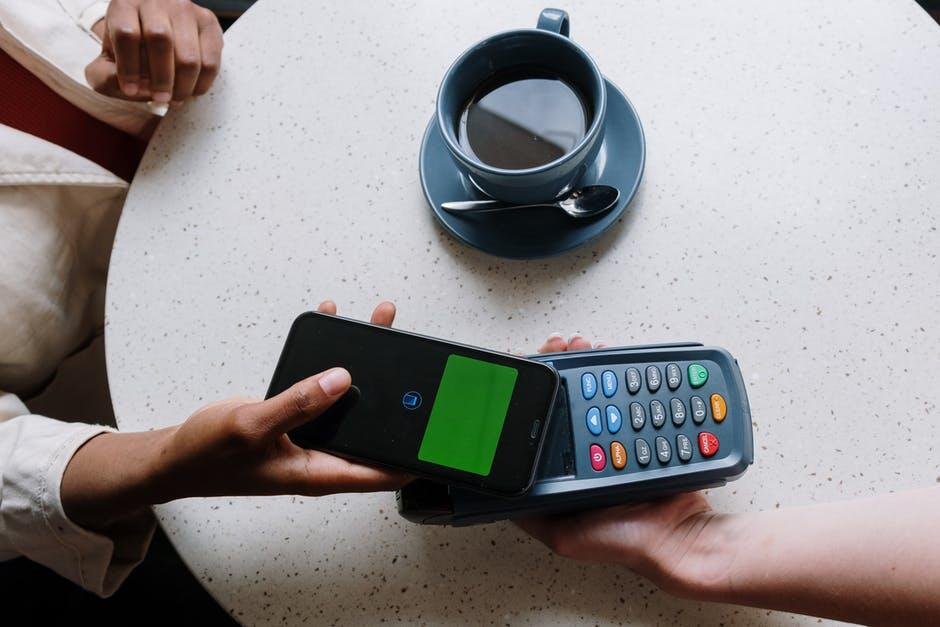
Have you ever wondered why paying for local government services still takes so much time in many places? Long lines, slow systems, and manual work can frustrate both citizens and government staff every day.
Modern payment technology offers a faster and simpler way to complete these tasks. It helps people pay with less effort while improving service quality.
Local governments can also reduce paperwork and save valuable time. Better payment systems create a smoother experience for everyone involved.
This guide explains how frictionless payment infrastructure can improve public services and help build a more efficient community. Keep on reading!
Why Faster Payments Matter
Today, people expect services to be quick and easy everywhere they go. They don’t want to wait in line or fill out many forms to pay their bills, taxes, and fees. A payment process that takes too long can cause stress and delays, disrupting daily life.
When payments go faster through safe digital systems, they also help local governments. It takes less time for staff to handle cash, check records, and correct payment errors. This lets workers focus on other important tasks like helping people.
A faster way to pay also helps people trust their local government offices. When the process is simple and easy, people are more likely to pay on time. People are usually happier with public services when they have better experiences.
Better Service for Every Citizen
Everyone can use government services more easily if there is a simple way to pay. People don’t have to go through many steps to choose a payment method that works for them. This makes everything go more smoothly from beginning to end.
Many people use their phones, online banking, and digital wallets every day. Providing these payment options makes it easier for people to use government services. It also lets people pay whenever it’s most convenient for them.
Payment options that are easy to use also help older people, busy workers, and families who don’t have much free time. No longer do they have to plan long trips to pay a bill. You’ll save time and feel more welcome.
Less Paperwork and Lower Costs
Storage, printing, and manual filing are common for paper records. This takes time and raises operating costs. Digital payments reduce unnecessary work.
Electronic records are easier to organize and search for information. Staff can quickly verify payments without searching through piles of paper. This boosts productivity and reduces errors.
Local governments can spend less due to lower operating costs. Community projects and public services can benefit from savings. Better spending benefits taxpayers.
Stronger Security for Public Payments
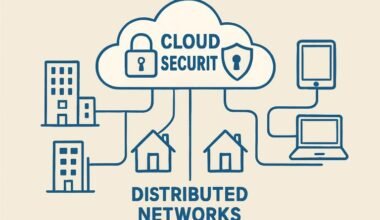
Every government office needs payment data security. Modern payment systems have security features to prevent fraud and unauthorized access. This boosts public and employee confidence.
Tracking and reviewing transactions is easier with digital payment records. Payment issues can be resolved quickly with clear records. This improves payment transparency.
Good security safeguards financial data and public trust. Services that protect personal data make citizens feel more comfortable. Strong protection boosts digital payment adoption.
Faster Work for Government Teams
A typical workday for government employees involves many different tasks. Repetitive work that slows down daily operations can be taken care of by simple payment systems. Staff can do more work without taking on more.
Automatic updates for payments reduce the need to enter data by hand and check it over and over again. There are fewer mistakes when data moves quickly between systems. This makes things faster and more accurate.
Companies like Access2Pay help local governments streamline payment processes and make everyday tasks easier for both staff and citizens.
Better Financial Records
Daily, accurate payment records help local governments make better decisions. Reliable data shows payment sources and timing. Helps plan future projects.
Digital systems reduce the number of missing and duplicate records. Without spending hours on paperwork, staff can review reports faster. This saves departmental time.
Clear financial records boost accountability. Citizens appreciate careful public fund management. This boosts local government trust.
More Payment Choices
There are various ways that people like to pay for things. Some people choose to use bank cards, while others use digital wallets or online banking. Giving people a few different ways to pay makes it easier for everyone.
Having different payment methods also makes it easier for people from different communities to access. People can choose the option that makes them feel best. Getting rid of these obstacles could speed up payments.
Payment options that are easy to use often lead to more on-time payments. People are more likely to complete transactions that are easy for them to do every day. More flexibility is good for everyone.
Preparing for Future Growth
Communities keep getting bigger as technology gets used more and more. Payment systems for local governments need to adapt to new needs. Flexible technology makes it easier to make changes in the future.
New services can be added to modern payment platforms without replacing the entire system. This keeps things running smoothly and lowers future costs. Long-term value comes from planning.
A strong payment system can also handle new digital services as they come out. Governments are still ready to adapt to new needs. This makes sure that public services work well for many years to come.
Building Stronger Communities Through Better Services
When governments provide good public services, the relationships between them and their citizens get stronger. Many of the problems that come up when you’re doing everyday things can be avoided with simple payment systems. When things get easier and faster, people notice.
People who have had good experiences are more likely to use community services and programs. People don’t have to wait as long and can focus more on their daily lives. This creates benefits that go beyond just payments.
Modern payment infrastructure helps businesses run more efficiently, deliver better service, and earn the public’s trust. Even small changes made today can have big effects in the future. Each step toward easier payments improves the neighborhood.
Moving Local Government Payments Toward a Better Future
Every day, infrastructure for frictionless payments helps local governments serve their citizens more quickly and successfully. Digital payment systems reduce paperwork, lower costs, and help public offices manage their finances more accurately.
More convenience for citizens by making payments easier and more flexible. Additionally, government workers have more time to focus on delivering excellent public services rather than performing tedious manual tasks. Local governments can prepare for future needs by investing in advanced payment technology.
Did you like this guide? Great! Please browse our website for more!