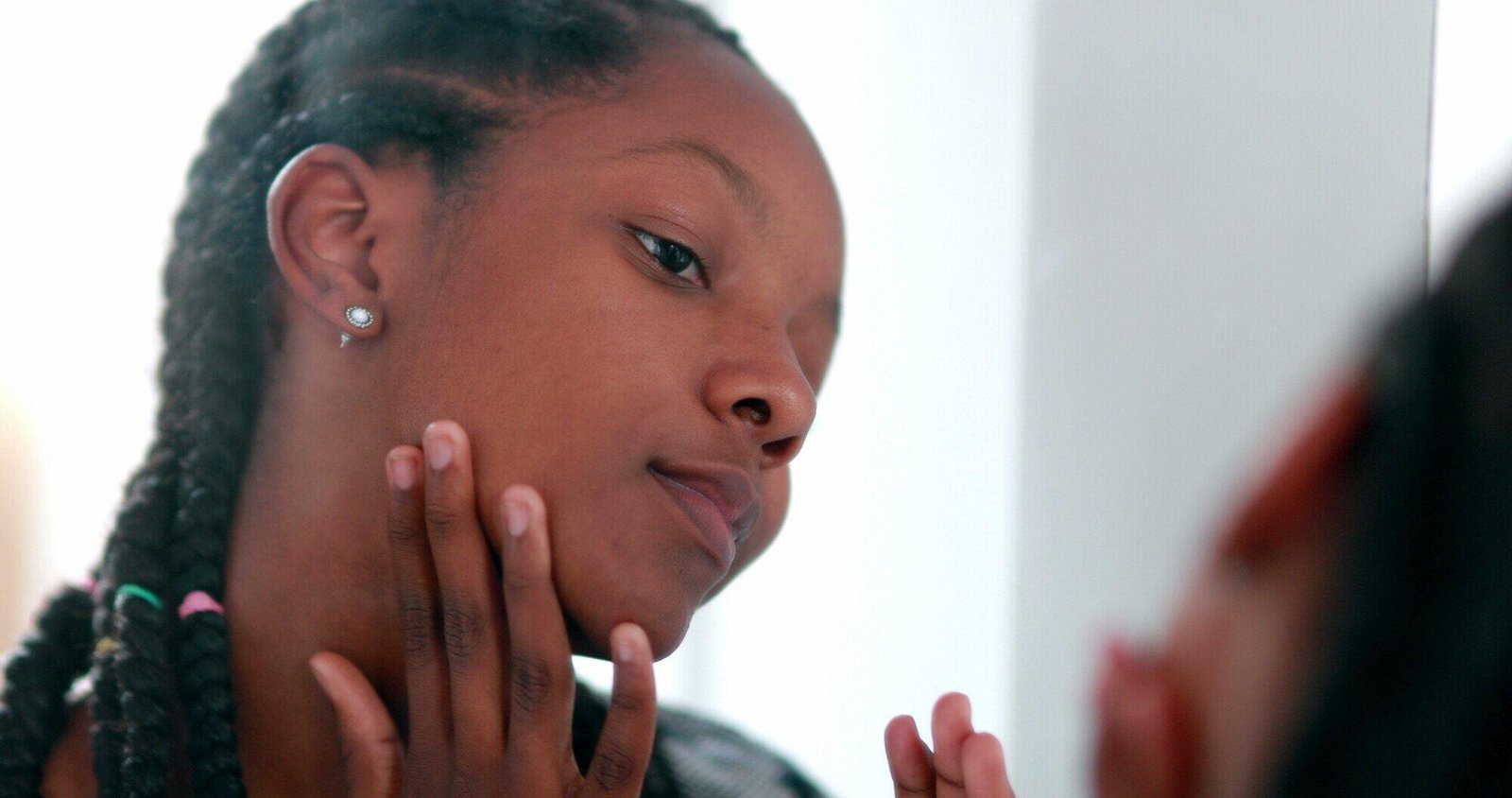
Cosmetic procedures are becoming more common as people look for ways to improve how they look, feel more confident, or address long-term concerns about their appearance. While the physical results are often the main focus, the emotional and psychological effects can be just as important.
These reactions shape how people feel during recovery and how they judge their results over time. Whether it is facial work or body changes, recovery often includes both physical healing and emotional adjustment.
Continue reading to discover everything you need to know!
The Psychological Landscape Post-Surgery
Cosmetic surgery often brings mixed emotions in the weeks after a procedure. Patients undergoing rhinoplasty or similar treatments may feel both excitement and worry as they begin to see early changes. Swelling, bruising, and uneven healing can make the nose or other treated areas look different from what they expected.
This stage can feel stressful because the final result is not yet clear. Many people feel unsure or impatient, even when healing is going well. It is common to focus too much on short-term changes and forget that recovery takes time.
Common Emotional Responses
After surgery, people often experience a range of emotions as they adjust to their new appearance. Relief is usually one of the first feelings, especially for those who have long been unhappy with a feature. This relief can feel strong because the decision to proceed with surgery is now complete.
Still, not all early emotions are positive. Some patients feel disappointment when they first see their results, mainly because swelling or bruising hides the outcome. This reaction is usually temporary, but it can still feel very real in the moment.
Vulnerability is also common. People may feel more aware of their face or body in public and may worry about how others see them. This can lower confidence for a short time. As healing continues, these feelings often fade, and many people begin to feel more natural in their appearance again.
The Role of Body Image and Social Feedback
Body image plays a key role in how people react to cosmetic changes. Even small differences in appearance can make someone more focused on how they look. This increased awareness can lead to both positive and negative feelings, depending on expectations.
Social reactions also matter during recovery. Kind and supportive comments can help build confidence.
On the other hand, negative or unexpected feedback can create doubt. Because of this, many patients feel better when they limit outside opinions during early healing.
Support Systems Are Key
Recovery is often easier when people have strong support around them. Friends, family, and mental health professionals can offer comfort and reassurance. Talking about emotions during healing can make the process feel less overwhelming and more manageable.
Clear communication with the surgeon is also very helpful. Knowing what is normal during recovery, such as swelling, tightness, and slow changes, can reduce worry. Many concerns come from not knowing what to expect, so clear guidance can ease stress.
Embracing the Journey
Cosmetic surgery is a process that involves both physical and emotional change. People may move through different feelings, including excitement, doubt, patience, and acceptance. These shifts are normal and part of recovery.
A balanced approach that considers both physical appearance and psychological health is essential when pursuing aesthetic changes. By prioritizing informed decision-making, professional guidance, and holistic well-being, individuals can achieve outcomes that support not only their appearance but also their long-term emotional and mental wellness.
Make sure to check out the rest of our website today!