Understanding the fundamentals of security is not optional for teams managing live infrastructure. Whether you are running a SaaS product, a cloud-hosted application, or a network of internal services, the question is never whether vulnerabilities exist. It is whether you know about them before someone else does. That is the problem vulnerability scanning exists to solve, and getting it right starts with understanding what it actually involves.
Knowing what is vulnerability scanning gives teams an anchor for every security decision that follows, from how assets get monitored to how findings get prioritized and fixed.
What Vulnerability Scanning Actually Does
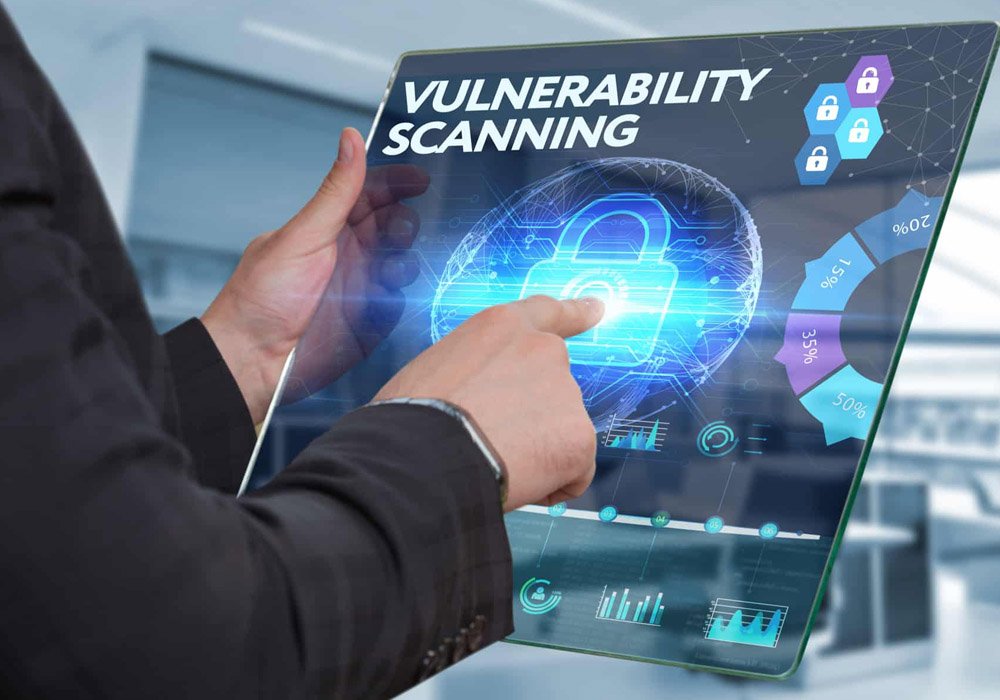
Vulnerability scanning works by examining systems, networks, and applications for weaknesses that are already documented and understood. The scanner checks what is running against what is known to be exploitable, and flags anything that matches. Think of it less as a test and more as a structured comparison between your environment and a continuously updated record of what attackers already know how to use.
What Gets Scanned and Why It Matters
Most teams start with public-facing web applications, APIs, and servers, which are the right places to begin because they represent the most accessible entry points for an outside attacker. The scope of what needs scanning tends to grow as infrastructure does.
Cloud environments introduce new assets regularly, microservices get added, and subdomains accumulate faster than most inventory lists can keep up with. Development teams routinely spin up staging environments that end up sharing more with production than anyone intended. Each of these surfaces carries its own exposure risk, and all of them need to be part of a scanning program.
How Often Teams Should Be Scanning
This is where many organizations get the cadence wrong. A single scan at launch, or a quarterly scan tied to a compliance requirement, creates the illusion of coverage without the substance of it. Infrastructure changes too frequently for periodic scanning to stay relevant.
The more useful framework is event-driven scanning: running scans after deployments, after infrastructure changes, after a significant CVE affecting the technology stack becomes public, and on a regular schedule in between. This approach catches vulnerabilities while they are still recent rather than weeks after they were introduced.
Reading Results Without Getting Overwhelmed
One of the most common frustrations that teams encounter is the volume of output. A first scan on a reasonably complex environment can return hundreds of findings, ranging from critical exposures to low-severity notes that require no immediate action.
The skill is in the triage. Critical findings on internet-facing assets come first, high-severity issues on internal systems come next, and everything else gets prioritized by exploitability and business impact rather than raw severity scores. This is part of what makes purpose-built scanning platforms worth using.
Purpose-built platforms handle this by doing the heavy lifting before findings reach the team. TopScan groups vulnerabilities by service, strips out the noise, and surfaces only what actually needs a response, which means analysts spend their time on real problems.
Takeaway
Vulnerability scanning is not something teams set up once and forget. It is an ongoing practice that gets more valuable as the environment it monitors becomes better understood.