Key Takeaways:
- Alcohol-monitoring technology prevents impaired driving and reduces accidents.
- AI-driven systems detect intoxication non-intrusively in real time.
- Built-in vehicle sensors can restrict operation and alert authorities.
- Legislation and public support are driving widespread adoption.
- Future innovations aim for predictive warnings and autonomous safety interventions.
Alcohol-impaired driving has been a persistent threat to road safety for decades. With the introduction of cutting-edge technologies, however, the capabilities for detecting intoxication behind the wheel have rapidly improved, offering hope for significant reductions in road fatalities. Among these innovative tools, the ignition interlock device stands out as a practical, accessible solution that prevents incidents before they occur. By incorporating such devices and other advanced detection systems, road safety initiatives are moving toward a more proactive approach to driver safety and accountability.
These technological strides are not only helping prevent accidents but also encouraging responsible driving behavior. As manufacturers and policymakers focus on integrating these systems directly into vehicles, the future of alcohol monitoring promises even greater levels of public protection. This integration marks a turning point where preventative technology becomes an industry standard, shifting the cultural attitude toward impaired driving by making detection and prevention seamless and unobtrusive for everyday motorists.
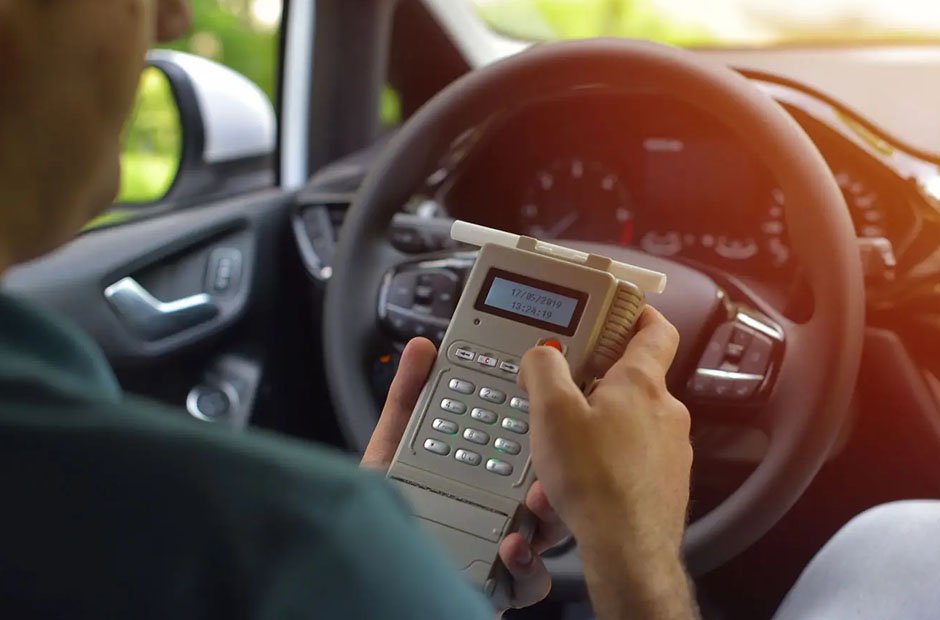
One of the most effective and increasingly common technologies for combating drunk driving is the car breathalyzer, which prevents vehicle operation if alcohol is detected on a driver’s breath. These systems not only serve as a deterrent but also provide a practical tool for repeat offenders and individuals subject to court orders requiring alcohol monitoring.
Emerging Technologies in Alcohol Detection
Over the past decade, several companies have taken major steps in revolutionizing alcohol detection technology. Non-intrusive sensors and artificial intelligence are now embedded in modern vehicles to analyze driver behavior and assess impairment. For example, Smart Eye’s Driver Monitoring System (DMS) uses advanced algorithms to track eye and eyelid movements, identifying signs of intoxication such as drowsiness and slowed reaction times—without the need for breath, blood, or other invasive sampling methods. This real-time analysis arms vehicles with the ability to deliver instant alerts or even take action by limiting vehicle operation if impairment is detected.
Alongside Smart Eye, Seeing Machines has advanced the development of its DMS, meeting new European safety standards set to roll out in 2026. This technology can detect subtle shifts in gaze, head position, and facial cues to identify early warning signs of alcohol impairment. By making this a built-in safety requirement, regulatory bodies are reinforcing that monitoring technology will be essential for future vehicle safety compliance.
Integration into Vehicle Systems
The integration of alcohol monitoring directly into vehicle manufacturing is set to become one of the most game-changing developments in automotive safety. Increasingly, automakers are equipping new models with sensors that connect seamlessly to advanced vehicle control systems. When potential impairment is detected, these systems can restrict engine ignition, alert the driver, or notify emergency services. This built-in technology makes it far more difficult for intoxicated drivers to operate a vehicle undetected, potentially saving thousands of lives each year.
This movement is strongly supported by new legislative measures, such as those in the European Union, that require all new vehicles to include similar prevention technologies by 2026. As major automakers begin to comply with these regulations, the availability and sophistication of alcohol-monitoring systems are expected to surge worldwide.
Public Support and Legislative Measures
Momentum for the adoption of in-vehicle alcohol detection devices is further fueled by growing public awareness and concern. Surveys conducted by large organizations, such as AAA, indicate that a clear majority of citizens now support the mandatory implementation of alcohol monitoring systems in new cars, with 67 percent of respondents in favor of these requirements. This groundswell of support is spurring legislative bodies at the local, national, and international levels to pass new laws to accelerate the adoption and standardization of detection technologies.
Legislation is not only mandating the use of these technologies for high-risk or repeat offenders but is increasingly requiring them for all new vehicles sold. As these measures are enacted, advocates expect to see a measurable decline in drunk-driving incidents nationwide, paralleling the increasing accessibility of monitoring systems for both personal and commercial vehicle fleets.
Challenges and Considerations
Despite rapid technological progress, several important challenges remain. Key concerns include ensuring consistent accuracy across variable real-world conditions, protecting driver privacy, and minimizing the risk of false positives that could inconvenience or unfairly penalize drivers. Addressing these issues is vital, both for public acceptance and for safeguarding individual rights within the legal system. Engineers and manufacturers are continually refining algorithms and sensor hardware to minimize errors while still delivering robust protection against impairment-related risks.
It is essential that these detection systems remain user-friendly, reliable, and non-intrusive, encouraging responsible driving without stigma or inconvenience. Stakeholder collaboration, including technology developers, advocacy groups, policymakers, and vehicle owners, will be needed to balance innovation with privacy and reliability, ensuring that alcohol monitoring solutions are both effective and widely accepted.
Future Outlook
Looking ahead, research and development in alcohol monitoring technology promises new breakthroughs that will offer even greater sensitivity and integration. As legal frameworks evolve and technology matures, it is expected that alcohol detection systems will become as standard as airbags or antilock brakes. These future innovations may provide predictive warnings, integration with telematics for data-driven safety monitoring, and even autonomous interventions that override the driver’s actions to prevent disasters. With continued public support and government backing, there is the potential to achieve historic reductions in impaired driving and associated fatalities.
Conclusion
The era of passive tolerance for alcohol-impaired driving is giving way to a new era of smart, preventative road safety technology. As innovations in alcohol detection are hardwired into cars, bolstered by legislative mandates and social consensus, the goal of safer roads moves from aspiration to reality. By embracing the latest advancements in alcohol monitoring, we not only protect lives but set a higher standard for responsible driving and a healthier society.