Introduction
Gardening in Northern Virginia is a rewarding pursuit, offering both seasoned enthusiasts and beginners the chance to create lush, vibrant landscapes thanks to the area’s diverse climate and nutrient-rich soil. To get the most from your efforts, knowing the best time to plant different crops and ornamentals throughout the year is vital. Whether your interests range from vegetable patches to water gardening in Northern Virginia, following a tailored seasonal schedule is the key to a thriving outdoor space.
This annual gardening guide is designed for homeowners seeking practical, localized tips for each season. From planting advice to end-of-season cleanups, these steps will help you cultivate a healthy and productive garden year-round. Staying attuned to the unique demands of Northern Virginia’s weather and soil will ensure your landscape flourishes, yielding beauty and abundance for months to come.
Caring for your garden means planning for changing conditions, optimizing timing for planting and maintenance, and taking preventive steps for soil and plant health. Each season in Northern Virginia presents unique opportunities and challenges. Understanding them allows gardeners to adapt quickly and maximize their results.
Make the most of your outdoor space with this comprehensive checklist, tailored to the climate zones and soil types found throughout the region. The right strategies and a proactive approach can turn gardening into a year-round source of enjoyment and pride.
Spring: Awakening Your Garden
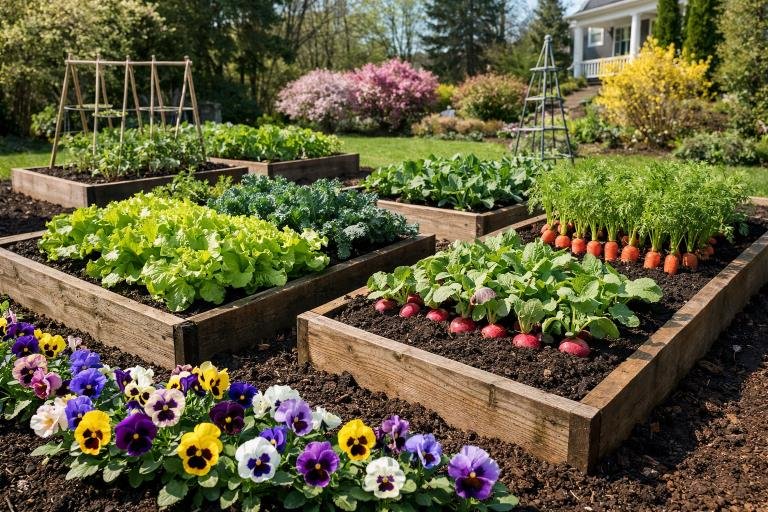
- March: Start the season by sowing cool-loving crops such as lettuce, spinach, and peas. These vegetables tolerate chilly nights and emerging frost, ensuring fresh early harvests.
- April: Add new layers to your vegetable garden with carrots, beets, and other root vegetables that appreciate warmer soil. Hardy annuals like pansies and primroses bring instant color to beds and borders.
- May: With frost mostly behind, it’s safe to plant warm-season edibles, including tomatoes, peppers, and beans. Check that soil temperatures consistently remain above 60°F, a crucial threshold for healthy growth.
Summer: Maintaining and Harvesting
- June: Prioritize consistent watering, especially during hot stretches. Adding a layer of mulch locks in moisture and deters weed growth, keeping beds looking their best.
- July: Harvest the first vegetables planted in spring, and consider sowing a second set of quick-growing crops, such as beans and cucumbers, to prolong the harvest season into late summer.
- August: Prepare for autumn by starting brassica seeds (such as broccoli and cauliflower) indoors. This gives them a head start before they’re planted out for cooler fall growth.
Fall: Preparing for Cooler Temperatures
- September: Shift back to cool-tolerant crops like kale, spinach, and radishes. These vegetables handle falling temperatures well and can be picked well into autumn.
- October: Mulch garden beds to insulate plant roots against colder nights. It’s also the perfect time to bury bulbs like tulips and daffodils for an early burst of spring color.
- November: Remove any finished plants and debris from your garden beds. Spread compost to enrich the soil, preparing it for the winter rest and better performance next spring.
Winter: Planning and Maintenance
- December: Reflect on the year’s successes and lessons. Begin organizing next season’s planting lists and consider rotating crop families to maintain healthy soil structure.
- January: Inspect and service your gardening tools. Clean and sharpen shovels, pruners, and shears to make spring chores more efficient and to minimize disease risks.
- February: Start early sowing of vegetables indoors, choosing varieties that will be ready for transplant outdoors as soon as the weather allows. This head start can put you weeks ahead when spring arrives.
Additional Tips for Northern Virginia Gardeners
- Soil Testing: Conduct soil tests annually to check levels of important nutrients and pH. Most vegetables thrive in soil that is slightly acidic to neutral, ideally between 6.0 and 7.0. Amend your soil based on these test results for robust plant growth. For more information, visit the Gardening Know How soil testing guide.
- Native Plants: Native plant species are naturally adapted to the Northern Virginia environment, requiring less watering and maintenance. The Inkberry Holly is an attractive alternative to boxwood, offering year-round green foliage and supporting local wildlife. Learn more about this alternative at Homes & Gardens.
- Pest Management: Keep a close eye out for signs of pests and diseases, as early intervention is much more manageable than dealing with widespread issues late in the season. Integrated pest management strategies, such as using beneficial insects, can make a big difference. Learn more about local pest solutions at the EPA pest control resources.
Conclusion
By following this seasonal checklist, you can ensure a beautiful, productive garden year-round in Northern Virginia. From adapting to seasonal changes and understanding planting timing to undertaking regular maintenance and soil care, a thoughtful approach yields not only a bountiful harvest but also a more enjoyable gardening experience. Harness the best practices for your region and enjoy the natural beauty and satisfaction that comes with a well-tended garden.