The Crucial Role of K-8 Education in Student Development
The educational journey from Kindergarten through 8th grade represents a pivotal period in a child’s life, laying the groundwork for all future learning and personal growth. Unlike segmented elementary and middle school systems, a K-8 structure offers remarkable advantages in academic continuity and emotional well-being. Students benefit from a stable environment where they can build long-term relationships with teachers and peers, fostering a strong sense of belonging and reducing the anxiety often associated with transitioning between schools. This extended period within a single institution allows for a more cohesive curriculum, where foundational concepts introduced in early grades are consistently reinforced and expanded upon through the middle school years.
This continuity is not just about academics; it’s also about emotional safety and social development. Children in K-8 settings often experience fewer disruptions, which can lead to greater emotional security and confidence. They have more opportunities to develop leadership skills as older students mentor younger ones, creating a supportive community. Peer relationships deepen over time, and students can explore various interests without the pressure of frequent school changes. The consistent presence of familiar educators who understand a child’s developmental trajectory can lead to more effective individualized learning strategies.
Fostering Leadership in K-8 Education
One of the standout benefits of a K-8 educational model is the inherent opportunity for leadership development. In an environment where younger and older students coexist, natural mentorship roles emerge. Older students frequently take on responsibilities such as Student Council participation, where they learn democratic processes, public speaking, and event organization. These roles cultivate confidence and a sense of civic duty. Peer mentoring programs, where 7th and 8th graders guide younger students, not only build empathy and communication skills in the mentors but also provide positive role models for the mentees.
Furthermore, K-8 schools often integrate character education directly into their curriculum and daily interactions. Activities like community service projects, school-wide initiatives, and even structured debates or presentations provide platforms for students to practice leadership in various contexts. From leading a school assembly to organizing a fundraiser, students are given real-world opportunities to make a difference, fostering a proactive and responsible mindset that extends beyond the classroom.
Tailored Curriculum in K-8 Education
The K-8 model also excels in its capacity for a truly tailored curriculum. With a longer arc of observation and interaction, teachers gain a deeper understanding of each student’s unique learning style, strengths, and areas for growth. This allows for highly individualized learning plans that can accelerate gifted students while providing extra support for those who need it, all within the same supportive environment. The focus is less on standardized, one-size-fits-all approaches and more on nurturing each child’s potential.
Critical thinking is often emphasized from early grades, building progressively more complex problem-solving skills. For instance, students might begin with basic logic puzzles in Kindergarten and advance to complex scientific inquiry or historical analysis by 8th grade. Vocabulary development is also a continuous process, with many schools introducing advanced language concepts, sometimes even incorporating early Spanish language programs, which can build confidence and foundational linguistic skills. STEM programs are increasingly integrated throughout the K-8 curriculum, ensuring students develop strong analytical and innovation skills from a young age. This continuous, adaptive approach ensures that learning is not just about memorization but about deep understanding and application.
Why Families Choose Private K-8 Programs in Wilkes-Barre
For many families in Wilkes-Barre, Pennsylvania, the decision to choose a private K-8 program stems from a desire for an educational experience that goes beyond the conventional. Parents are often seeking environments that offer smaller class sizes, a more favorable student-teacher ratio, and a strong sense of community that fosters genuine parent-school partnerships. These factors contribute to an atmosphere where academic excellence is pursued alongside comprehensive character development.
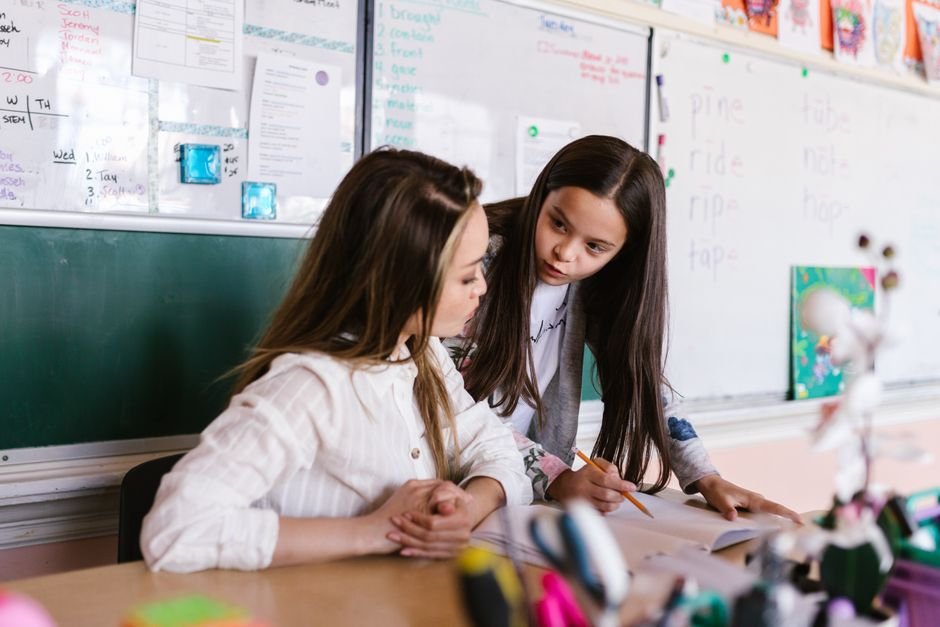
Private schools in the Wilkes-Barre area, such as Wilkes-Barre Academy, are often highlighted by parents for their commitment to these principles. The research indicates that the average student-teacher ratio in Wilkes-Barre private schools is 12:1, significantly lower than many public school settings, allowing for more personalized attention. The average class size is around 20 students, which facilitates a more intimate learning environment. These statistics resonate with parents who prioritize individualized instruction and a close-knit community. Many families explore resources like Wilkes-Barre Academy K-8 reviews to gain insights into the experiences of other parents and understand the unique benefits offered by these institutions.
Academic Rigor and Individualized Attention
A primary driver for selecting private K-8 education in Wilkes-Barre is the promise of academic rigor coupled with individualized attention. Private schools often boast academically advanced curricula designed to challenge students and foster a love for learning. Institutions like Wilkes-Barre Academy, for example, are known for their single-classroom-per-grade structure, which allows for a focused and consistent learning journey. This model enables state-certified teachers to truly understand each student’s capabilities and tailor instruction accordingly.
The emphasis on individualized learning means that students can often progress at their own pace, delving deeper into subjects they excel in or receiving additional support where needed. This contrasts with more generalized public school settings where curriculum delivery might be less flexible. Parents frequently report that their children develop critical thinking skills and a rich vocabulary that surpasses their age group, attributing this to the focused academic environment. This approach prepares students not just for higher education but for a lifetime of intellectual curiosity.
Holistic Character and Faith-Based Options
Beyond academics, many Wilkes-Barre families choose private K-8 schools for their commitment to holistic character development and, in many cases, faith-based education. Approximately 44% of private schools in Wilkes-Barre are religiously affiliated, with Islamic and Mennonite schools being common, reflecting a diverse range of values. For parents, this often means an education that integrates moral standards and ethical teachings directly into the daily curriculum.
These schools aim to cultivate well-rounded individuals by fostering values such as integrity, compassion, and respect. Service learning is frequently a component, encouraging students to contribute positively to their communities. Extracurricular activities, from sports to arts and community outreach, are designed not just for skill development but for character building and teamwork. Parents often express that these schools provide a supportive community that aligns with their family values, ensuring that their children receive an education that addresses both intellectual and spiritual growth. The focus is on developing “diamond students” forged through academics, athletics, activities, and service, as one prominent local school highlights.
Navigating Tuition, Financial Aid, and Enrollment Trends
Considering a private K-8 education naturally brings questions about cost and accessibility. While the average yearly tuition for private schools in Wilkes-Barre, PA, is approximately $13,713, it’s important to understand that this figure can vary significantly depending on the school’s offerings, size, and grade levels. However, many private schools are committed to making their education accessible to a broader range of families through various financial aid programs.
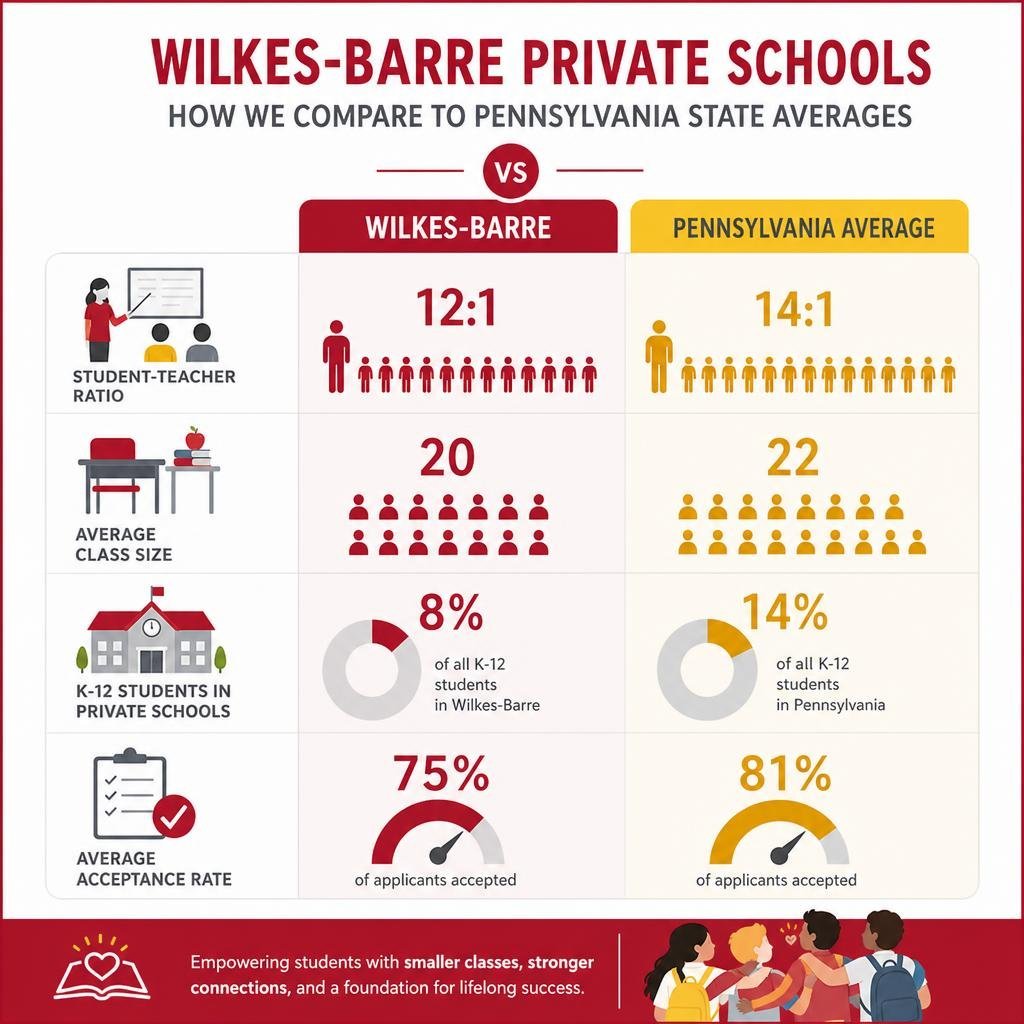
The landscape of private education in Wilkes-Barre is unique. For instance, only 8% of all K-12 students in Wilkes-Barre attend private schools, compared to the Pennsylvania state average of 14%. The average acceptance rate for private schools in Wilkes-Barre is 75%, which is slightly lower than the Pennsylvania private school average of 81%, suggesting a competitive, yet accessible, environment.
Understanding the Financial Investment
The financial investment in private K-8 education typically involves more than just annual tuition. Families should anticipate additional fees, such as application fees (which can be around $50) and annual technology/supply fees (approximately $200). However, many schools offer flexible payment plans to ease the burden, including 12-month or 9-month installment options, rather than requiring a single upfront payment.
Beyond these direct costs, various financial assistance programs are often available. Many schools utilize independent third-party services, like the FAST program (Financial Aid for School Tuition), to assess a family’s financial need confidentially. Additionally, some innovative programs, such as voucher systems, allow families to earn tuition credits through everyday retail purchases, effectively reducing their out-of-pocket expenses. These options underscore a commitment from many institutions to provide quality education without it being an insurmountable financial barrier.
Local Enrollment and Demographic Trends
The private school landscape in Wilkes-Barre, as of July 2026, includes 9 private schools serving 904 students. These schools exhibit specific demographic and enrollment trends. The student-teacher ratio, averaging 12:1, is a consistent draw for parents seeking more personalized instruction. The student body in Wilkes-Barre private schools is approximately 27% minority students, mirroring the Pennsylvania private school average. This diversity score of 0.63 indicates a mixed student population.
While the majority of students are White (52%), there’s a notable presence of other ethnicities, including 7% Asian, 5% Hispanic, 5% Black, and 31% categorized as “Other.” These figures reflect a commitment to fostering diverse learning environments. Trends over the past decade (2015-2025) show stability in the number of schools and a slight increase in student enrollment, indicating a steady demand for private education options in the region. The relatively stable tuition costs and acceptance rates suggest a predictable and accessible market for families considering these schools.
What Parent Testimonials Reveal About School Transitions and Community
Parent testimonials offer invaluable insights into the lived experiences within private K-8 schools in Wilkes-Barre, moving beyond statistics to capture the emotional and communal aspects of education. These accounts frequently highlight the smooth transition experience for children, the strong sense of community, and the exceptional parent communication that characterizes these institutions. Many parents speak of feeling welcomed and integrated into the school family from day one.
For example, parents often describe their children’s initial nervousness quickly transforming into excitement, with comments like a child declaring their first day was “AMAZING.” This rapid positive adjustment is frequently attributed to the warm reception from teachers and staff, who make an effort to connect with new families through welcome emails, calls, and texts. The parent-teacher organizations (PTOs) also play a crucial role, often fostering a vibrant and inclusive atmosphere through various school events and activities. Even during challenging times, such as the recent pandemic, testimonials reveal how schools adapted, maintaining in-person learning where possible and using virtual event sharing to keep families connected, demonstrating resilience and a commitment to community.
Overcoming Transition Anxiety
The transition to a new school, especially for young children entering Kindergarten or for families making a mid-year enrollment change, can be a source of anxiety. However, parent testimonials from Wilkes-Barre private schools consistently underscore how these institutions actively work to mitigate such concerns. Parents frequently praise the teachers’ attentiveness and the school’s focus on fostering friendships, which helps create a smooth adjustment.
For families transitioning from homeschooling, there can be initial apprehension about the school environment. Yet, many find that the supportive community and personalized attention quickly alleviate these fears. The consistent communication from faculty to parents is often described as “exceptional,” with teachers being highly accessible and responsive. This open dialogue ensures that any potential issues are addressed promptly, allowing children to settle in and thrive without prolonged stress. The emphasis on a nurturing environment helps children, even those with initial shyness, to feel included and supported.
Long-Term Academic and Career Success
The true measure of an educational institution often lies in the long-term outcomes for its students. Parent and alumni testimonials from Wilkes-Barre private K-8 schools frequently paint a picture of profound and lasting impact, extending far beyond graduation. Alumni often trace their personal and professional success back to the foundational experiences gained during their K-8 years.
These schools are credited with preparing students for rigorous academic paths, with alumni attending prestigious institutions, including Ivy League schools, military academies, and medical schools. The strong emphasis on critical thinking, independence, and a deep understanding of subjects equips students not just for college but for diverse career achievements in fields such as media, law, and education. Parents often note a dramatic improvement in their children’s academic approach, transforming early struggles into college success. The “red string” metaphor, used by some, illustrates how the school experience connects generations and shapes long-term life trajectories, highlighting a commitment to lifelong learning and leadership. This holistic preparation instills a sense of purpose and resilience that serves students well throughout their lives.
Frequently Asked Questions about K-8 Education
We understand that parents have many questions when considering the best educational path for their children. Here, we address some of the most common inquiries regarding K-8 education, particularly within the private school context in Wilkes-Barre.
What are the main advantages of a K-8 school structure over separate elementary and middle schools?
A K-8 school structure offers several distinct advantages. Firstly, it provides academic continuity, allowing for a more integrated curriculum where learning builds progressively without the disruption of changing schools. Teachers often have a deeper, longer-term understanding of each student’s development. Secondly, it fosters emotional safety and stability. Students remain in a familiar environment with established relationships with peers and faculty, reducing the stress associated with transitioning from elementary to middle school. This also creates more opportunities for older students to serve as role models and mentors for younger ones, developing leadership skills and a strong sense of community. The consistent environment can lead to greater confidence and a stronger sense of belonging for students throughout their K-8 journey.
How do private K-8 schools in Wilkes-Barre accommodate diverse student needs and busy family schedules?
Private K-8 schools in Wilkes-Barre strive to accommodate diverse student needs through individualized learning approaches, smaller class sizes, and dedicated faculty. The average student-teacher ratio of 12:1 means more personalized attention, allowing teachers to tailor instruction to different learning styles and paces. Many schools offer specialized programs and support for academic enrichment or remediation. For busy family schedules, before and after-care programs are commonly available, extending the school day to provide supervision and engaging activities. Additionally, a wide array of extracurricular activities, from sports and arts to academic clubs like Science Olympiad, are often integrated into the school day or offered immediately afterward, minimizing the need for external arrangements and providing a holistic experience within one campus.
What financial aid options are available for families seeking private K-8 education in Pennsylvania?
Families considering private K-8 education in Pennsylvania have several financial aid options to explore. Many private schools offer need-based financial aid programs, often utilizing confidential third-party assessment services like the FAST program (Financial Aid for School Tuition) to determine eligibility. These programs aim to bridge the gap between tuition costs and what a family can reasonably afford. Additionally, some schools provide innovative tuition assistance, such as voucher programs where families can earn credits towards tuition through retail purchases. Scholarships, both merit-based and need-based, may also be available directly from the schools or through external organizations. It’s highly recommended that interested families contact the admissions or financial aid office of specific schools to inquire about their particular offerings and application processes, as options can vary significantly.
Conclusion
The decision to choose a private K-8 education in Wilkes-Barre is a deeply personal one, driven by a desire for academic excellence, character development, and a strong community. As we’ve explored, these institutions offer a unique blend of individualized learning, dedicated faculty, and environments that prioritize both intellectual and personal growth. The K-8 model itself provides a stable, continuous educational journey that fosters leadership, emotional safety, and a tailored curriculum.
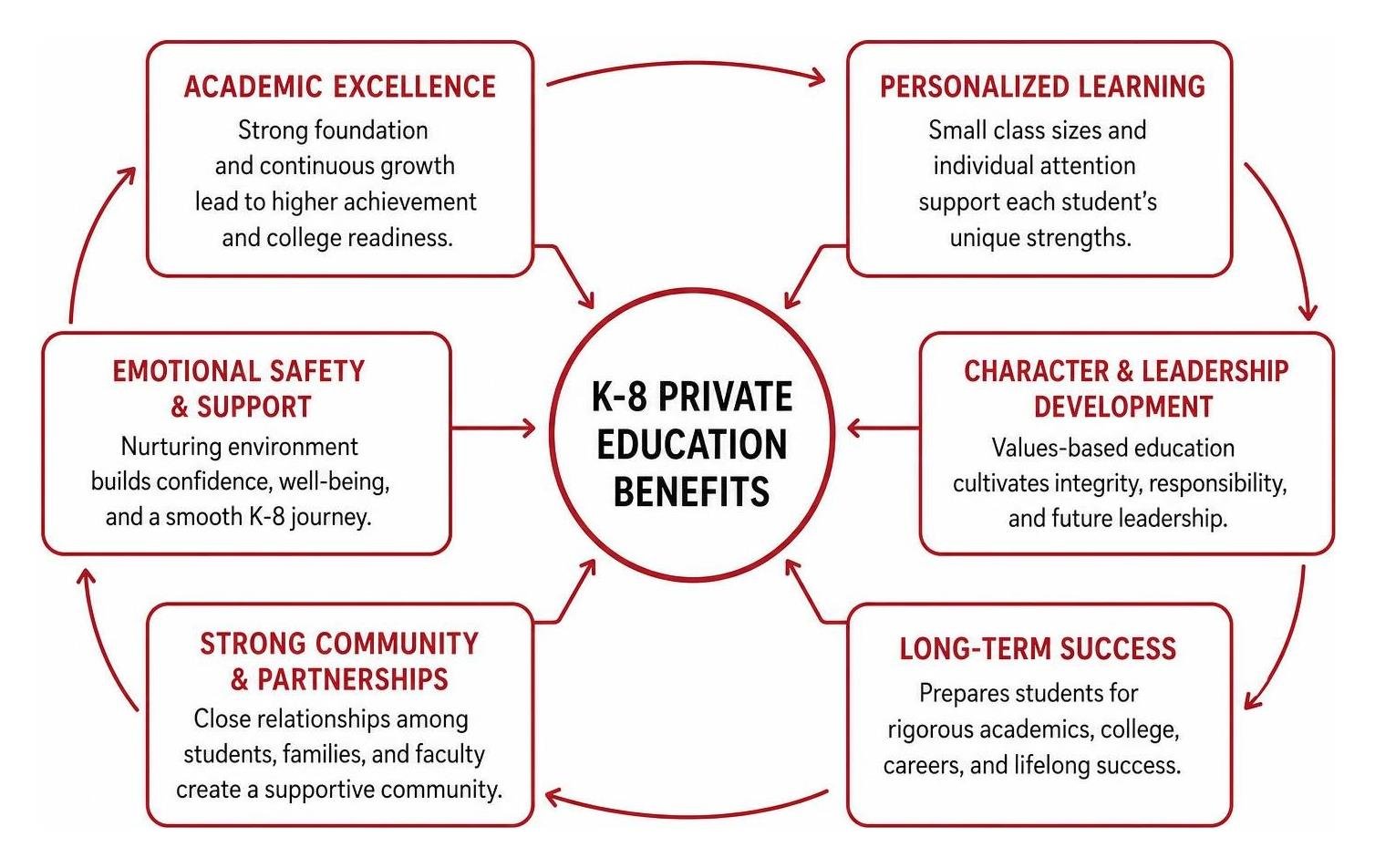
Parent testimonials consistently highlight the positive transition experiences, the exceptional communication between home and school, and the profound, long-term impact on their children’s academic and life success. From navigating financial aid options to understanding local enrollment trends, families in Wilkes-Barre have a range of choices designed to support their educational goals. The commitment to fostering well-rounded individuals who are prepared for high school, college, and life beyond academics remains at the heart of private K-8 education in this vibrant Pennsylvania community.