Key Takeaways
- A leaning, aging, or damaged tree does not automatically need removal.
- Tree risk depends on the tree’s condition, location, and what it could strike if it fails.
- Cracks, dead limbs, root damage, decay, and sudden changes after storms deserve prompt attention.
- Pruning, cabling, bracing, monitoring, and target management can sometimes reduce risk.
- Large trees near homes, roads, play areas, or utility lines should be reviewed by a qualified professional.
Deciding whether a tree should come down is rarely as simple as noticing a lean or a few dead branches. Trees are living structures that can adapt to weather, pruning, and changing conditions over many years. At the same time, a hidden defect, a weakened root system, or a storm-damaged limb can pose a serious hazard when people and property are nearby.
Homeowners who are concerned about a tree should focus on a careful assessment rather than an automatic removal decision. Consulting tree removal and trimming experts in Utah can help clarify whether a tree needs corrective care, ongoing monitoring, or removal based on its specific condition and location.
Why Tree Removal Decisions Require More Than a Quick Look
A tree may look rough yet remain structurally stable, while another tree with a healthy-looking canopy may have serious root or trunk decay. The key question is not simply, “Does this tree look bad?” Instead, consider the chance that the tree, trunk, or branch could fail and the consequences if it does.
Arborists often consider “targets” during a risk review. A target is anything that could be hit, including a house, roof, driveway, parked car, sidewalk, fence, road, patio, or play area. A dead branch over an unused corner of a large yard is different from the same branch hanging over a child’s swing set. The defect may be similar, but the potential outcome is not.
Warning Signs That Deserve Prompt Attention
Photos and ground-level observations can help identify concerns, but they cannot provide a final diagnosis. Keep people, pets, and vehicles away from the area if there appears to be an immediate danger, then arrange an on-site inspection.
- A fresh crack in the trunk or where a large branch joins the tree.
- Large dead, broken, or hanging limbs above a home, walkway, or seating area.
- A sudden lean after high winds, heavy rain, flooding, excavation, or grading.
- Exposed roots, lifting soil, damaged roots, or a visibly shifting root plate.
- Deep cavities, hollow areas, soft wood, extensive bark loss, or major trunk wounds.
- Mushrooms or fungal growth near the base, roots, or trunk.
- Branches rubbing against structures, contacting utility lines, or moving sharply in light wind.
How Location Changes Tree Risk
A mature tree in an open corner can fail without harm, but near a bedroom, driveway, school route, sidewalk, or dining area, it needs closer inspection. Height, fall range, traffic, and usage matter. A photorealistic studio image shows a leaning tree with dead branches, a risk inspection tag, and natural lighting, no people. A cavity might be safe if far from targets and monitorable, but near a roof or road, tolerance for risk drops.
When Removal May Be the Most Reasonable Option
Preserving trees is worthwhile when a practical treatment can reduce risk to an acceptable level. However, removal may be the more responsible option in situations such as these:
- The tree is dead and has major cracks, decay, root failure, or unstable branches.
- Severe trunk or root decay has left too little sound wood for dependable stability.
- A storm has caused splitting, uprooting, severe leaning, or dangerous hanging limbs.
- The tree is likely to hit a home, roadway, utility line, or heavily used area if it fails.
- Repeated pruning would remove too much canopy without solving the central structural problem.
- The disease has progressed to the point of no recovery and could threaten nearby susceptible trees.
- Construction, trenching, compaction, or grade changes have caused irreversible root damage.
Alternatives to Full Tree Removal
Removal is not the only option. The best response depends on the species, defect, site conditions, expected lifespan, and what can reasonably be protected around the tree.
- Selective pruning: Removing dead, weak, overextended, or poorly positioned limbs can reduce weight and improve clearance.
- Cabling or bracing: Properly designed support systems may help suitable trees with weak branch unions or splits.
- Target management: Moving vehicles, furniture, play equipment, or gathering areas away from a fall zone can lower exposure.
- Restricted access: Fencing off or avoiding a hazardous area may be appropriate until work is completed.
- Routine monitoring: Scheduled inspections can track a known defect that does not currently require removal.
Why DIY Tree Removal Can Turn Dangerous Fast
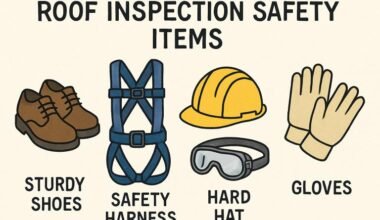
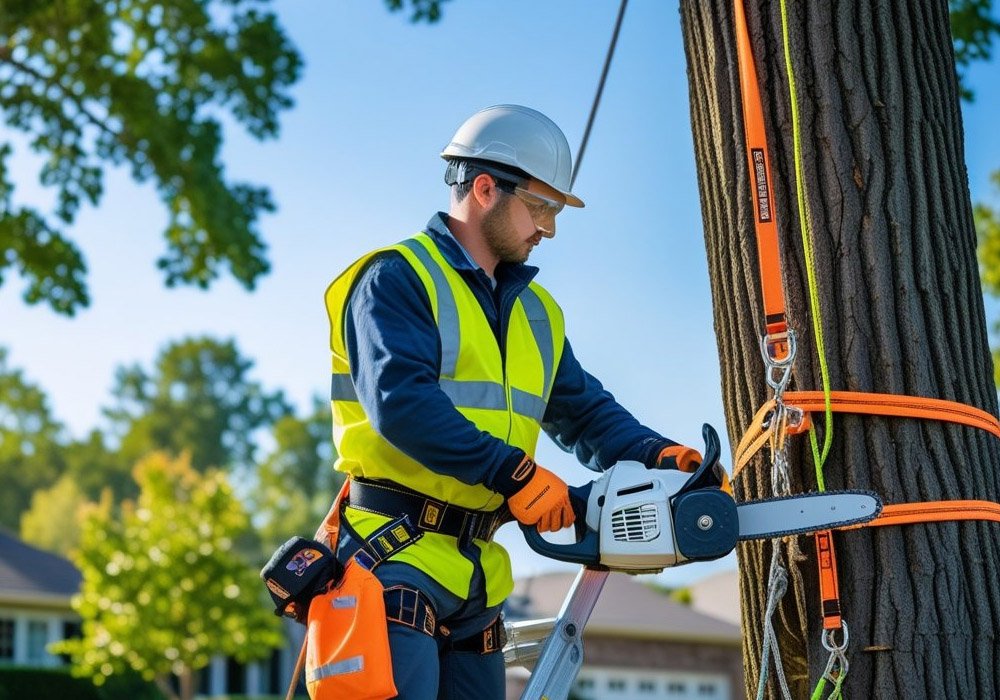
Tree work involves more than cutting wood. A tree can twist, split, roll, or fall unpredictably. Storm-damaged limbs may contain tension, and cuts can release energy unexpectedly. Risks increase with ladders, ropes, slopes, yards, and nearby structures. Never trim branches near energized power lines. Protective gear helps but doesn’t replace training, planning, rigging knowledge, and proper equipment. OSHA cites falls, struck-by incidents, chainsaw injuries, and electrical contact as main hazards in tree care. Review its tree care and removal safety guidance for more information.
What a Professional Tree Risk Review Should Cover
A qualified professional should inspect both the tree and the surrounding site. That review commonly includes:
- Tree condition: Species, canopy health, wounds, cracks, decay, branch attachments, roots, and previous pruning.
- Site conditions: Soil, drainage, slope, wind exposure, construction damage, and recent changes around the tree.
- Targets: Buildings, people, vehicles, utilities, roads, sidewalks, and neighboring property.
- Management options: Monitoring, pruning, support systems, access limits, or removal.
How to Choose a Qualified Tree Professional
- Ask for proof of current liability insurance and workers’ compensation coverage.
- Look for relevant arboriculture training and recognized credentials.
- Request a written scope of work that explains what will be cut and why.
- Confirm whether cleanup, stump grinding, traffic control, and utility coordination are included.
- Get more than one estimate for complex, high-cost, or high-risk work.
- Be cautious of pressure to approve immediate removal without a clear explanation.
Questions to Ask Before Work Begins
- What defect or condition makes this work necessary?
- Could pruning, support, or monitoring reasonably reduce the risk?
- What should be moved from the work area before the crew arrives?
- How will the crew protect roofs, gardens, driveways, fences, and utilities?
- Will branches, logs, chips, and debris be removed from the property?
- Are permits, homeowner association approvals, or utility clearances required?
A Simple Homeowner Action Plan
- Keep people and pets away from obvious danger zones.
- Take clear photos from a safe distance and note recent changes.
- Record storms, flooding, digging, grading, or construction near the tree.
- Schedule an on-site review with a qualified tree professional.
- Compare preservation options with the cost and safety implications of removal.
- Confirm insurance, permits, cleanup details, and follow-up care before work begins.
Common Questions About Tree Removal
Does a leaning tree always need to be removed?
No. Some trees develop stable leans over time. Sudden leaning, shifting soil, cracked roots, or new trunk damage is much more concerning and should be assessed promptly.
Can a tree with decay be saved?
Sometimes. The answer depends on the amount and location of decay, how much sound wood remains, and what the tree could strike if it fails. Severe trunk or root decay may make removal the safest choice.
What should happen after a tree is removed?
Inspect the area for exposed roots, holes, unstable soil, damaged turf, and affected hardscape. Then decide whether to leave the stump, cut it low, or grind it out. If planting a replacement, choose a species and location with enough room for mature roots and branches.
Conclusion
A tree should not come down simply because it is old, slightly leaning, or dropping small branches. A safer decision comes from evaluating the tree’s condition, its location, and the people or property within its possible fall zone. With a thoughtful assessment and the right professional guidance, homeowners can protect their property while giving healthy, manageable trees every reasonable chance to remain in the landscape.