Key Takeaways
- Recurring leaks, corrosion, cracks, and weak performance can indicate that a fixture is nearing the end of its useful life.
- Minor issues may be fixed with a new washer, cartridge, aerator, flapper, or supply line.
- Replacement is often more practical when problems return, damage is visible, or replacement parts are unavailable.
- Modern water-efficient fixtures can improve comfort while helping reduce unnecessary water use.
A home’s plumbing fixtures play an important role in everyday comfort, convenience, and water efficiency. Over time, however, sinks, faucets, toilets, and shower fixtures can wear out due to regular use, mineral buildup, or aging components. Recognizing the early signs of deterioration allows homeowners to address minor issues before they develop into more expensive repairs or water damage.
Whether you’re planning a renovation or replacing outdated fixtures, choosing reliable plumbing supplies from Budget Home Supply can help ensure a smoother installation and lasting performance. Understanding when it’s time to upgrade your plumbing fixtures is the first step toward maintaining a functional, efficient, and dependable plumbing system.
Why Plumbing Fixtures Fail Over Time
Daily use gradually wears down seals, cartridges, washers, handles, drain assemblies, and supply connections. Hard water can also leave mineral deposits in aerators and showerheads, while harsh cleaners may damage protective finishes or rubber components. A fixture may still look attractive from the outside even when the internal parts are worn, corroded, or no longer sealing correctly.
Persistent Leaks and Drips
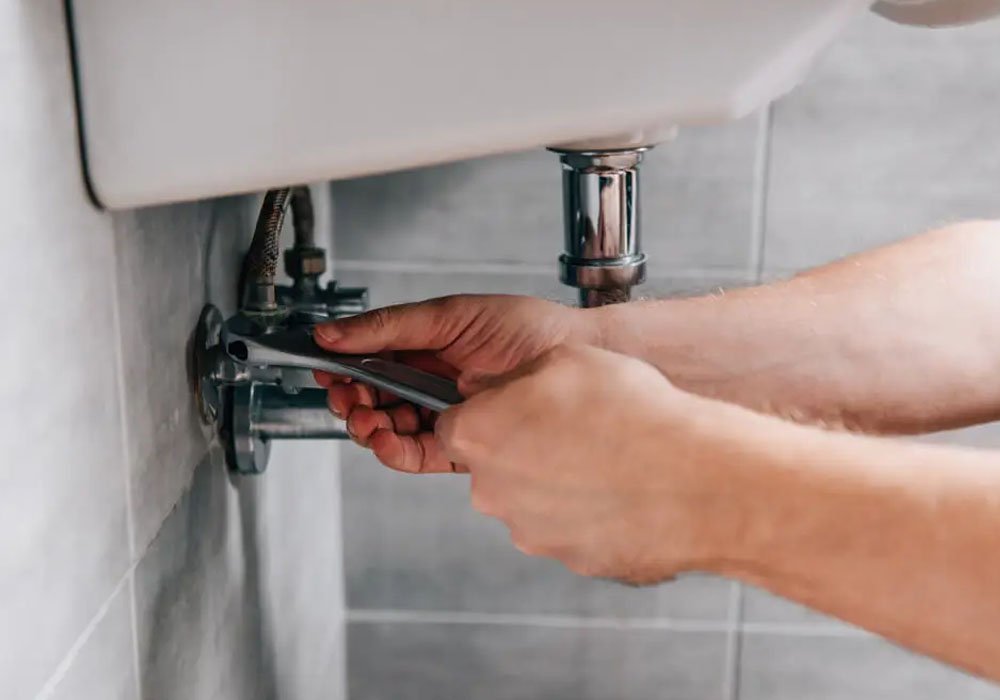
A faucet that drips after being turned off, a showerhead that continues to spray, or moisture under a sink deserves attention. A simple repair, such as replacing a washer, O-ring, cartridge, or supply line, may solve an isolated issue. Before inspecting anything, turn off the nearby supply valve and open the fixture to release pressure.
If the same leak returns after a proper repair, the valve seat, cartridge housing, threads, or fixture body may be damaged. Check inside sink cabinets, around toilet bases, and on adjacent walls for dampness, staining, peeling finishes, or soft materials. Hidden water damage can be more expensive than the fixture itself.
Rust, Corrosion, and Mineral Buildup
White, chalky buildup usually points to mineral deposits, especially around faucet aerators, shower nozzles, handles, and drain openings. Removable parts can often be soaked and cleaned, restoring normal flow. Rust, pitting, greenish corrosion, or flaking metal around supply connections and faucet bases is more serious because it can weaken the material and interfere with sealing.
Clean buildup first when the fixture is otherwise sound. However, replace the fixture or affected connection if corrosion has eaten into the metal, the finish is failing extensively, or a cleaned component still leaks or performs poorly.
Poor Water Flow or Weak Pressure
Low flow from a single faucet or shower often comes from a clogged aerator or a scale buildup in the showerhead. Remove the aerator carefully, rinse out debris, and reinstall it before assuming the full fixture has failed. Also, confirm that the fixture shutoff valves are fully open and that a recently installed supply line is not kinked.
When weak pressure affects several fixtures, the cause may be elsewhere in the plumbing system. A partially closed main valve, a pressure regulator issue, a water heater problem, or a plumbing restriction can affect multiple rooms. Avoid replacing a faucet until you have ruled out these broader causes.
Cracks, Wobbling, and Visible Damage
Cracked porcelain, loose sink mounts, broken handles, wobbling faucet bodies, and damaged shower controls should not be ignored. Even a small crack can allow water into cabinetry, flooring, or wall materials. A rocking toilet may need more than tightened bolts, as the flange, flooring, wax ring, or toilet base may be involved.
Act promptly when water reaches finished walls, wood cabinets, or an area near electrical outlets. Do not overtighten porcelain fixtures or connection nuts, as excess force can cause cracks or make a minor problem worse.
Toilet Problems That Keep Returning
Constant running, weak flushing, repeated clogs, leaks near the base, and persistent rocking are common warning signs. A worn flapper, fill valve, handle, or wax ring can often be replaced. If the toilet needs frequent repairs, has a cracked tank or bowl, or continues leaking after repairs, a new toilet may offer better long-term value.
Efficiency is also worth considering. The EPA notes that WaterSense-labeled products are independently certified for performance and use at least 20 percent less water than standard models.
Water Use and Rising Utility Bills
An unexplained increase in water use can be a clue that a toilet is silently leaking or that a faucet is dripping more than expected. Older toilets, showerheads, and faucets may also use more water than current, efficient designs. Compare flow rate, flush performance, replacement parts, and warranty coverage before buying. Check with your local water provider as well, since some areas offer rebates for qualifying upgrades.
Repair or Replace?
When a Repair Makes Sense
Choose a repair when the problem is isolated, the fixture body is in good condition, and replacement parts are readily available. A new cartridge or aerator can be an economical fix for a quality faucet with no corrosion or physical damage.
When Replacement Is the Better Choice
Replacement is usually the smarter option when leaks keep returning, parts are discontinued, the finish or body is corroded, or the fixture is cracked or unstable. Replace promptly if active water damage is present, a shutoff valve will not close, or a wall connection appears damaged. A licensed plumbing professional can help when connections are seized or the issue affects several fixtures.
Choosing and Installing a New Fixture
Measure mounting holes, sink openings, supply connections, clearances, and drain locations before purchasing. Match the new fixture to the existing layout whenever possible. Favor durable materials, replaceable internal parts, and clear warranty terms over appearance alone. During installation, shut off the water, protect nearby surfaces, use compatible fittings, and restore the water slowly while checking each connection for leaks.
Ways to Extend Fixture Life
Simple maintenance can delay replacement. Clean aerators and showerheads before scale blocks flow, inspect under sinks monthly, and fix drips as soon as they appear. The EPA’s home maintenance guidance also recommends regular leak checks and attention to household water pressure. Keep model and part numbers on file so future repairs are easier to complete.
Final Thoughts
Plumbing fixtures rarely fail without warning. A steady drip, a rusty connection, a weak stream, a loose handle, a rocking toilet, or a rising bill can all point to a developing problem. Address minor repairs early, but do not keep investing in a fixture that is corroded, damaged, or repeatedly failing. A well-fitted replacement can improve reliability, appearance, daily comfort, and water efficiency for years to come.