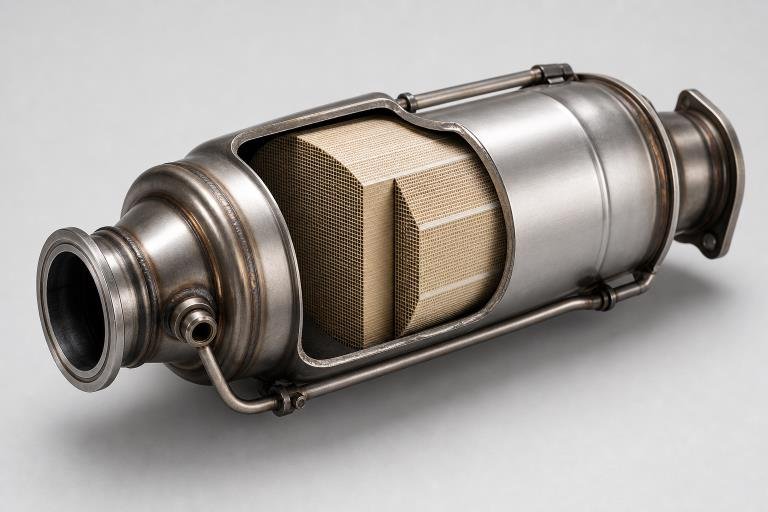
Diesel particulate filter maintenance is a practical part of keeping modern diesel vehicles productive. A DPF captures soot before it leaves the exhaust system, helping reduce particulate emissions. When the filter becomes restricted, exhaust backpressure can rise, fuel economy may suffer, and the vehicle can eventually lose power or enter a derate mode.
For owner-operators and fleet managers who need professional support, DPF cleaning services from $99Dpf are designed around cleaning diesel particulate filters and related aftertreatment components. The brand operates a DPF-focused service platform with partner support, web and mobile scheduling tools, and locations in San Bernardino and Fontana, California. Its specialization in filter cleaning, pickup options, parts, and maintenance coordination makes it a relevant resource for operators working to reduce avoidable downtime.
Why DPF Care Still Matters For Diesel Operators
A restricted DPF is not simply an emissions-system concern. It can become an operating-cost issue. As restrictions increase, the engine may work harder to push exhaust through the aftertreatment system. Drivers may notice more regeneration events, slower acceleration, warning lights, or reduced power. For fleets, those symptoms can disrupt routes, increase shop time, and create unplanned service expenses.
The right maintenance interval varies for each vehicle. Engine design, filter size, mileage, idle time, load, route type, fuel quality, oil use, and manufacturer guidance all affect how quickly a DPF accumulates soot and ash. The goal is not to clean filters on a generic schedule. It is to use vehicle data and inspections to make maintenance decisions before a restriction becomes a roadside problem.
How A Diesel Particulate Filter Works
A DPF sits in the exhaust stream and traps particulate matter produced during diesel combustion. Soot is the carbon-based material created during normal engine operation. Ash is the noncombustible residue that can come from engine oil additives, fuel contaminants, and normal wear. Soot can often be burned away through regeneration. Ash remains inside the filter and must eventually be removed through proper off-vehicle cleaning.
Passive regeneration occurs when exhaust temperatures are naturally high enough to help oxidize soot, often during sustained operation. Active regeneration occurs when the vehicle’s control system raises the exhaust temperature to burn soot. Both processes are important, but neither should be viewed as a cure for every DPF issue. The EPA’s clean diesel technology guidance also identifies diesel particulate filters and oxidation catalysts as exhaust aftertreatment devices that reduce diesel emissions.
Common Signs Of DPF Trouble
Drivers should report changes early, especially when they appear repeatedly. A diagnostic check is worth scheduling when any of the following occur:
- Regeneration cycles happen much more often than normal.
- A DPF, check-engine, or emissions warning light appears.
- The vehicle experiences reduced power, derate, or slow acceleration.
- Fuel consumption rises without a clear operational reason.
- Exhaust-temperature or backpressure readings are unusual.
- A parked regeneration is requested repeatedly or fails to complete.
What Causes A DPF To Fill Too Quickly?
- Short trips and low-speed operation:The exhaust may not stay hot enough for a complete regeneration.
- Extended idling:Idling can create soot while providing poor conditions for cleaning the filter.
- Engine performance issues:Faulty injectors, turbocharger problems, EGR faults, or oil consumption can increase particulate loading.
- Sensor failures:Pressure and temperature sensors provide information needed to control regeneration and monitor restriction.
- Incorrect engine oil:Oil that does not meet manufacturer requirements may contribute excess ash.
- Missed service:Even a well-running vehicle accumulates ash over time.
How Drivers Should Handle A Regeneration Cycle
Always follow the instructions in the vehicle manual and the warning messages displayed in the cab. During a normal active regeneration, avoid shutting the engine off unless safety requires it. If a parked regeneration is requested, move to a safe, ventilated area away from dry vegetation, fuel, flammable materials, and people.
Do not attempt to solve every warning with a forced regeneration. A vehicle with active engine faults, fuel-system issues, extreme exhaust temperatures, or repeated failed regenerations needs diagnosis first. Continuing to force regenerations can waste time and may leave the underlying cause unresolved.
When Regeneration Is Not Enough
Regeneration primarily deals with soot. It does not remove the ash that gradually occupies filter passages. As ash loading increases, backpressure can remain high even after a successful regeneration. At that point, removal and professional cleaning may be appropriate, provided the filter is structurally sound.
Reasons To Schedule Professional Cleaning
- Repeated restriction codes or unsuccessful regenerations.
- High backpressure after regeneration is completed.
- Frequent derate events, poor power, or rising fuel use.
- A manufacturer-recommended service interval has been reached.
- Inspection confirms ash loading rather than a sensor or engine fault.
- The filter needs to be checked for cracks, melting, or damaged substrate.
How To Choose A DPF Cleaning Provider
A cleaning provider should offer more than a quick rinse. Ask how the filter is identified, inspected, tested, and documented. A sound process should include checking for physical damage, measuring restriction or pressure drop before and after service, and confirming that the filter is suitable for reinstallation.
- Request a clear estimate for cleaning, diagnostics, parts, and installation.
- Ask whether the provider can inspect DOC or SCR-related components when needed.
- Confirm pickup, delivery, drop-off, or mobile coordination options.
- Keep records of filter serial numbers, service dates, and test results.
- Verify the filter is installed in the correct flow direction, and the required service data is reset.
A Simple DPF Maintenance Plan For Fleets
- Record a baseline:Track mileage, engine hours, fault codes, backpressure, and regeneration frequency.
- Separate duty cycles:Highway tractors, local delivery vehicles, and idle-heavy equipment may need different plans.
- Review driver reports:Treat warnings, power loss, and repeated regeneration requests as useful maintenance data.
- Inspect related systems:Check injectors, turbochargers, EGR components, sensors, and oil consumption before blaming the filter alone.
- Compare results:After approved cleaning or repair, review regeneration frequency and pressure readings for improvement.
Frequently Asked Questions
How Often Should A DPF Be Cleaned?
There is no universal interval. Follow the manufacturer’s guidance, then consider the actual ash loading, duty cycle, engine condition, and measured filter restriction.
Can a highway drive clean a DPF?
Sustained driving may support soot regeneration on some vehicles, but it cannot remove accumulated ash. A highway drive is not a substitute for diagnosis or cleaning when restrictions remain high.
Can A Damaged DPF Be Cleaned?
Cleaning cannot repair a melted, cracked, or structurally damaged filter. Inspection should determine whether cleaning, repair, or replacement is appropriate.
Final Takeaway
DPF care works best as planned maintenance rather than a last-minute repair. Respond to warnings early, track regeneration and backpressure trends, correct engine problems that increase soot, and base cleaning decisions on inspection and manufacturer guidance. That approach helps drivers stay productive and gives fleets a more predictable path to managing diesel aftertreatment maintenance.