Home fitness equipment makes it easier to build a reliable workout routine, but only when every machine is stable, clean, and working as intended. Whether you own a treadmill, bike, rower, elliptical, or strength station, routine inspections can prevent small issues from turning into injuries or costly breakdowns. For help with problems that go beyond basic care, professional fitness equipment repair in Madison, WI, can be a practical option.
Maintenance is not about making equipment look new. It is about spotting changes before they affect your safety. A loose bolt, frayed cable, drifting treadmill belt, or overheated motor can interrupt a workout and create a hazard. This 2026 checklist covers the essential tasks to keep home equipment reliable.
Why Regular Maintenance Matters
Equipment problems rarely appear all at once. Dust can restrict airflow around a motor, sweat can corrode hardware, and repeated use can loosen fasteners or wear down moving surfaces. Unusual noises are especially important. Clicking, grinding, scraping, or squeaking may be an early signal that a part needs cleaning, adjustment, or replacement.
Consistent equipment care also supports regular exercise. The CDC’s adult physical activity guidance recommends at least 150 minutes of moderate activity each week, plus muscle-strengthening activity on two or more days. A machine that works safely is one less barrier to maintaining that routine.
When a treadmill begins to slip, change speed, or make new mechanical sounds, stop using it until the cause is clear. Homeowners who need a closer inspection may benefit from treadmill repair in Madison, WI, particularly when the issue involves the belt, deck, motor, electronics, or calibration.
Start With A Safety Check
Perform a quick visual check before a major workout, especially if multiple people use the equipment. Start with the floor and work upward.
- Confirm that the machine sits level and does not rock.
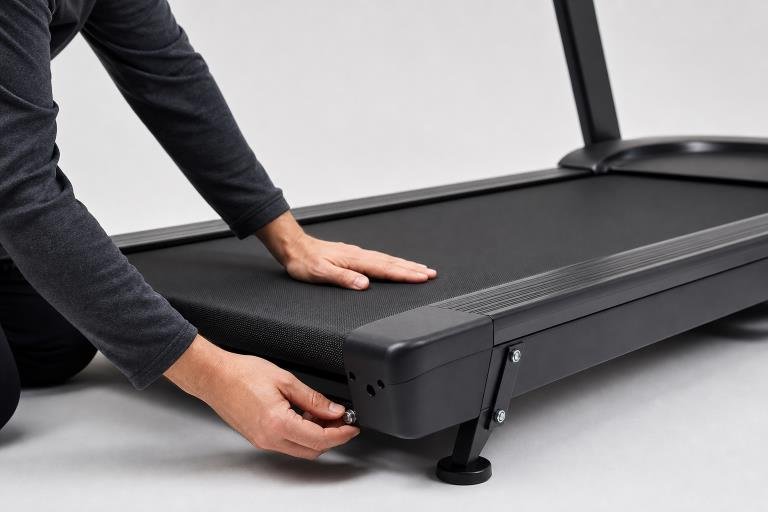
- Check accessible screws, bolts, knobs, pins, handles, and guards.
- Make sure safety clips and emergency-stop features are present.
- Clear cords, bags, toys, and furniture from the workout area.
- Test controls at a low speed or resistance setting before exercising.
Stop immediately if a machine shakes excessively, slips, sparks, smells hot, or changes speed or resistance without input.
Treadmill Care And Warning Signs
Treadmills need close attention because their belts, decks, rollers, motors, and electronics work together under load. Inspect the walking belt for fraying, cracks, uneven movement, or drifting to one side. Clean dust from ventilation openings and beneath the frame, and use only the lubricant and service method specified in the owner’s manual. Too much lubricant can attract debris and interfere with belt movement.
Use the safety key every time, and keep adequate open space behind and beside the machine. Also, check recalls before using a secondhand or unfamiliar treadmill. On April 16, 2026, the U.S. Consumer Product Safety Commission issued a safety warning for certain Sperax walking pads and treadmills because of reported sudden speed changes, abrupt stops, overheating, and fire hazards. Check the model label near the power switch if applicable.
Care For Bikes, Ellipticals, And Rowers
Stationary And Recumbent Bikes
Check the seat adjustment and locking pin before riding. Tighten pedals as needed, inspect the crank area, and pay attention to clicking or grinding. Wipe sweat from the frame and console after each session to reduce corrosion.
Ellipticals
Inspect foot pedals, moving arms, and pivot points for excess play. The frame should not rock during use. A squeak that persists after basic cleaning may indicate a worn bushing, a loose fastener, or an alignment issue.
Rowing Machines
Inspect the handle, chain, strap, and belt for wear. Keep the rail free of grit to ensure it rolls smoothly, and follow the manual’s instructions when folding or storing the machine.
Inspect Strength And Weight Machines
Strength equipment stores and transfers force, so damage should never be ignored. Check cables for broken strands, kinks, flattening, or worn coatings. Examine pulley wheels for cracks or misalignment, test the weight pins and adjustment levers, and confirm that the benches lock securely into position. Store dumbbells, plates, and accessories where they cannot roll, fall, or create a tripping hazard.
Never patch a damaged cable with tape or continue using a machine with a cracked frame. A failed cable can suddenly release stored force. Stop use until the affected part has been properly replaced.
Cleaning, Lubrication, And Floor Protection
- Unplug powered equipment before cleaning.
- Use a soft cloth to remove sweat and dust.
- Do not spray liquid directly on screens, motors, or control panels.
- Lubricate only approved points with the recommended product.
- Use an equipment mat to reduce vibration and protect the flooring.
- Allow damp surfaces to dry before covering or storing equipment.
Electrical And Cable Safety
Inspect power cords for cuts, crushed areas, loose plugs, or exposed wire. Keep cords away from walkways and heat sources, use the outlet type required by the manufacturer, and avoid overloading extension cords or power strips. Smoke, sparks, repeated breaker trips, or a burning smell are reasons to unplug the machine and seek qualified service rather than attempting an electrical repair yourself.
Keep Children And Pets Safe
Equipment can remain hazardous even when it is switched off. Remove treadmill safety keys after use, lock folding machines in their stored position, and keep resistance bands, cords, and small accessories out of reach. Do not leave children or pets near an active machine. A treadmill deck may look harmless when stopped, but a child can still climb on it or activate the controls.
When To Repair Or Replace Equipment
Repair often makes sense when the frame is stable, parts are available, and the problem involves a replaceable belt, cable, roller, switch, or adjustment component. Replacement may be smarter when a frame is cracked or heavily rusted, electrical failures keep returning, parts are discontinued, or repair costs approach the price of a dependable new machine. Consider delivery, assembly, disposal, warranty coverage, and long-term reliability, not just the repair estimate.
Build A Simple Maintenance Plan
Before Each Workout
- Check stability, visible damage, cords, and safety features.
- Clear the surrounding workout space.
After Each Workout
- Wipe away sweat and return accessories to storage.
- Note new noises, smells, or changes in movement.
Each Month
- Inspect belts, cables, pedals, rollers, and accessible hardware.
- Clean vents and the space beneath the machine.
Once Or Twice A Year
- Review service intervals in the owner’s manual.
- Schedule a deeper inspection for heavily used equipment.
- Replace worn parts before they fail.
Conclusion
Regular maintenance does not need to take much time. Check equipment before exercise, clean it after use, record small changes, and stop using it when a warning sign appears. That simple routine can protect your equipment, support safer workouts, and help keep your home fitness plan on track throughout 2026.