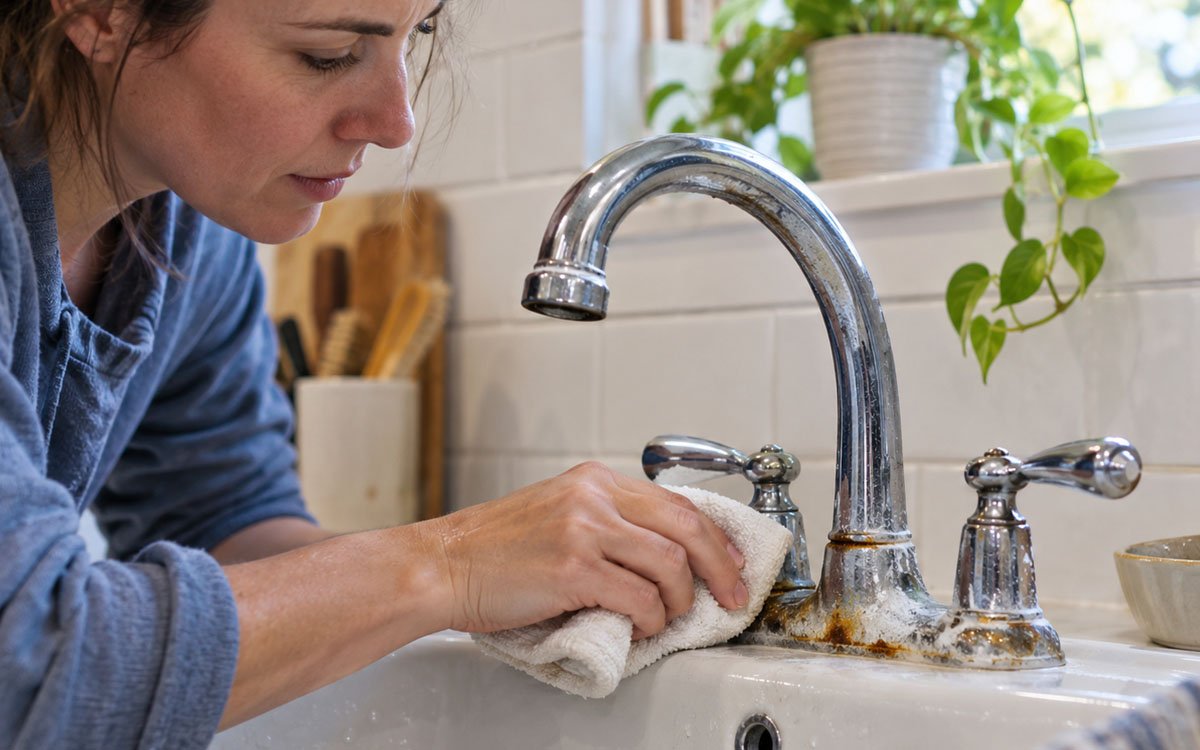
Owning a home comes with its fair share of maintenance tasks, but few things are as frustrating as battling stubborn orange rust stains in your sinks and tubs. Many homeowners find themselves scrubbing these fixtures weekly, only to see the discoloration return a few days later. This relentless cycle is rarely a simple cleaning issue. Instead, it points directly to the quality of the water flowing through your pipes. Untreated water carrying heavy minerals and iron can quietly wreak havoc on your plumbing infrastructure. Taking time to carefully diagnose and address these underlying water quality issues can save you from replacing expensive fixtures and dealing with permanent pipe damage down the road.
Recognizing the Signs of Mineral and Iron Buildup
The first step in protecting your home is understanding exactly what is happening inside your pipes. Iron and hard water minerals often enter residential water supplies naturally through the ground. If you notice persistent orange or brown rings around your drains, iron is likely the primary culprit. These contaminants do not just affect the aesthetics of your bathrooms and kitchens. They can seriously compromise the structural integrity of your plumbing over time. When dealing with heavy contamination, investing in a dedicated iron removal water system is often the most effective way to stop the damage at its source.
To determine if your home is suffering from severe mineral buildup, watch out for these common warning signs:
- Metallic tasting water: Excess iron and manganese often give tap water an unpleasant, copper-like taste that ruins morning coffee and drinking water.
- Reduced water pressure: Calcium and iron deposits can calcify inside your pipes, shrinking the internal diameter by several millimeters each year and causing severe flow restrictions throughout the house.
- Clogged showerheads: Spray nozzles exposed to untreated water can lose up to 75 percent of their flow rate within just eighteen months, as crusty white or rusty deposits block the tiny openings.
- Soap that refuses to lather: Homeowners with untreated water are forced to use up to 50 percent more soap, shampoo, and laundry detergent annually just to achieve a basic lather, creating a hidden and recurring household expense.
The Hidden Costs of Untreated Water
Ignoring poor water quality is an expensive gamble that affects almost every major appliance in your home. According to data supported by the Water Quality Association, hard water and mineral buildup cost homeowners an estimated 5.2 billion dollars annually in wasted energy and premature appliance failure. Your water heater is particularly vulnerable to this type of damage. The U.S. Department of Energy notes that just a quarter-inch of mineral scale accumulation inside a tank can drop its heating efficiency by up to 40 percent. This forces the unit to work significantly harder, driving up your monthly utility bills and drastically shortening the overall lifespan of the appliance.
The Institute for Business and Home Safety reports that 75 percent of residential water heaters fail by their twelfth year, primarily due to internal mineral buildup and subsequent tank corrosion. When plumbing infrastructure suffers irreversible corrosion from prolonged mineral exposure, whole-home repiping projects can cost anywhere from a few thousand to tens of thousands of dollars depending on the size of the home. Rather than waiting for fixtures to fail completely, proactive homeowners should explore preventative treatments. If you want to learn more about combating the damaging effects of hard water scaling, reading a comprehensive guide on understanding water softeners is a great place to start. Treating the water before it circulates through your home protects everything from your washing machine to your hot water tank.
Identifying the Source of Your Water Issues
Tackling iron and mineral issues requires understanding the exact composition of your water. This is especially true for homes relying on private wells, where groundwater conditions can change rapidly over time. A survey by Penn State found excessive iron concentrations in 17% of sampled private water supplies, highlighting just how common this nuisance is for rural and suburban homeowners alike. Even small amounts of these minerals can cause noticeable staining on light-colored laundry and create unpleasant tastes in your daily drinking water.
If you suspect your water contains high levels of iron or hardness minerals, the best course of action is to have your water tested by a certified professional. Once you know exactly what is in your water, you can choose the right filtration technology. Modern whole-house filtration solutions, including those utilizing advanced ion exchange, can successfully remove the vast majority of hardness minerals right at the point of entry.
Long-Term Maintenance and Prevention
Safeguarding your plumbing from rust stains and mineral damage is a crucial part of long-term home maintenance. By paying close attention to early warning signs like stubborn sink stains, dropping water pressure, and poor appliance performance, you can catch water quality issues before they destroy your costly appliances. Taking immediate steps to filter out harmful minerals today will keep your pipes flowing smoothly, lower your monthly utility costs, and protect your significant home investment for years to come.