Key Takeaways
- Brushing too hard can irritate gums and wear down tooth surfaces.
- Two minutes of brushing and daily cleaning between teeth are important for removing more plaque.
- Fluoride toothpaste helps protect teeth from decay.
- Bleeding, swollen gums, persistent bad breath, and tooth sensitivity deserve attention.
- Professional cleanings, exams, and targeted X-rays support preventive care.
Good oral care is not just about brushing every day. Small technique errors, skipped areas, and delayed professional care can allow plaque to remain on teeth and near the gumline. Routine teeth cleanings can remove hardened buildup that cannot be brushed away at home while also giving a dental professional an opportunity to spot concerns early.
The goal is not a complicated routine with numerous products. It is a consistent plan that cleans the tooth surfaces, protects the gums, and accounts for personal factors such as dry mouth, braces, frequent cavities, medications, diet, or a history of gum disease.
Brushing Too Hard
More pressure does not mean a better clean. Scrubbing aggressively, especially with a medium or hard brush, can irritate gum tissue and contribute to worn enamel or exposed root surfaces over time. Use a soft-bristled brush, hold it with a light grip, and guide the bristles gently along the teeth and gumline. An electric toothbrush with a pressure sensor may help people who tend to scrub.
Brushing Too Quickly
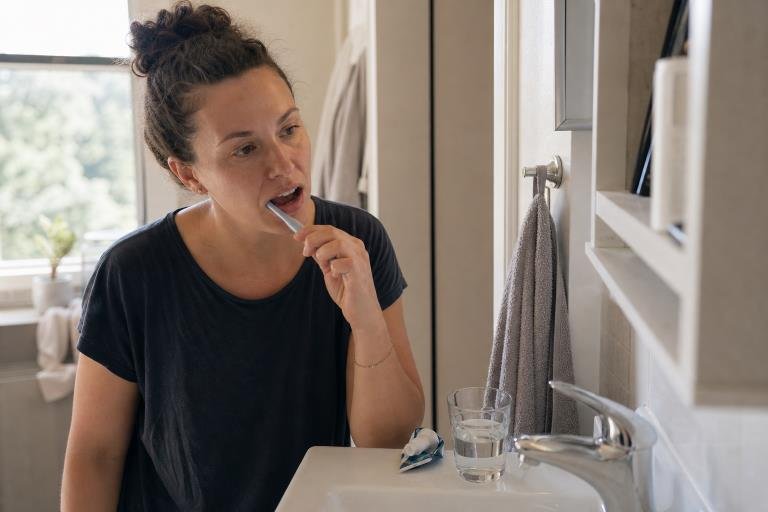
A few hurried passes across the front teeth can leave plaque behind on the chewing surfaces, inner surfaces, and back molars. Aim to brush twice daily for about two minutes. Divide the mouth into sections and clean the outer, inner, and chewing surfaces before moving on. Replacing a frayed toothbrush or brush head also matters because bent bristles do not clean as effectively.
Skipping Between The Teeth
Toothbrush bristles cannot reliably clean the tight spaces where teeth touch. Floss, interdental brushes, water flossers, or other dentist-recommended tools can remove plaque and food debris from these areas. The best choice is usually the tool you can use correctly every day. If floss feels difficult, ask for a demonstration rather than abandoning interdental cleaning altogether.
Plaque that remains around and beneath the gums can harden into tartar, which requires professional removal. The early signs of gum disease can include red, swollen, tender, or easily bleeding gums. Persistent bleeding is not something to simply brush off, particularly if it occurs even after improving daily cleaning habits.
Using The Wrong Toothpaste Or Too Much Abrasion
Some people choose toothpaste solely for whitening, fresh breath, or a viral online claim. A fluoride toothpaste is generally a practical starting point because fluoride helps strengthen enamel and prevent cavities. Highly abrasive powders, charcoal products, or homemade whitening mixtures may temporarily make teeth feel smoother, but repeated abrasion can worsen sensitivity and surface wear.
If you have sensitivity, exposed roots, frequent decay, braces, dry mouth, or dental restorations, your needs may differ. Ask a dental professional which toothpaste and rinse are appropriate before adding specialty products. “Natural” does not automatically mean gentle or effective.
Ignoring The Gumline And Tongue
Plaque commonly gathers where teeth meet gums, so angle the brush slightly toward the gumline and use small, controlled motions. Do not forget the tongue, either. Gently brushing or scraping the tongue can reduce bacteria and debris that contribute to bad breath. Be careful not to trigger soreness by scraping too forcefully.
Symptoms That Need A Dental Opinion
- Bleeding that continues during brushing or flossing.
- Gum swelling, tenderness, recession, or persistent bad breath.
- Loose or shifting teeth, pain while chewing, or drainage from the gums.
- New sensitivity to hot, cold, sweet foods, or biting pressure.
Overlooking Frequent Sugar And Acid Exposure
Cleaning technique is important, but eating and drinking patterns also affect teeth. Sipping sweet coffee, soda, sports drinks, or juice for hours repeatedly exposes enamel to sugar and acid. It is usually better to have these drinks with a meal, drink water between meals, and reduce frequent snacking when possible. After acidic foods or drinks, rinse with water if brushing immediately is not practical.
Water supports a simple preventive routine, especially for people who experience dry mouth. Saliva helps wash away food particles and buffer acids, so medication-related dry mouth, tobacco use, diabetes, and dehydration can increase the need for individualized oral care.
Delaying Professional Care
Home care is essential, but it does not replace dental exams and professional cleanings. Regular visits help remove tartar, review changes in your health and medications, evaluate gum condition, and identify decay or damaged restorations before symptoms become severe. The right visit schedule depends on your personal risk, not a one-size-fits-all internet rule.
Dental X-rays are also not automatically needed at every appointment. They can reveal cavities between teeth, bone changes, and concerns around roots that are not visible during an exam. Current guidance states that dental X-rays should be based on your age, oral health history, symptoms, and disease risk.
Questions To Ask At Your Next Visit
- Which areas am I missing when I brush or clean between my teeth?
- Do my gums show any signs of inflammation or recession?
- How often should I schedule my next cleaning and exam?
- Are X-rays useful today, and what would they help detect?
- Would a different toothbrush, flossing tool, toothpaste, or dry-mouth product help?
Conclusion
Better oral health often comes down to correcting a few repeatable habits. Brush gently and thoroughly, clean between teeth every day, use fluoride toothpaste, limit frequent sugary or acidic drinks, and keep preventive appointments based on your individual needs. Those simple steps can help protect your teeth, gums, comfort, and confidence over the long term.