Key Takeaways
- Small, repeatable family habits can create more predictability during busy weeks.
- The best routines are flexible, age-appropriate, and focused on connection instead of control.
- Shared meals, brief check-ins, bedtime patterns, and screen-free activities can make communication feel more natural.
- A routine should lower daily stress, not become another standard a family feels pressured to meet.
- Persistent emotional or behavioral concerns deserve support from a qualified professional.
For many Alexandria families, a weekday can move quickly from school drop-off, and work calls to activities, errands, dinner, and bedtime. Whether a family is commuting through Northern Virginia, walking near Old Town, or simply trying to get everyone through the evening, calm can feel hard to find. The goal is not a perfectly organized home. It is a home with a few dependable moments that help people feel seen and supported. Simple routines can give family members a place to pause amid a full schedule. They also create regular opportunities to notice stress, celebrate small wins, and talk before frustrations turn into bigger conflicts. When a family is facing ongoing tension, anxiety, grief, or difficult transitions, speaking with a therapist in Alexandria, VA, can be one useful step alongside supportive habits at home.
What Counts as a Family Routine?
A family routine is a repeated activity or pattern that brings some order to daily life. It does not have to happen at precisely the same time every day, nor does it need to involve an elaborate schedule. A routine is useful when it creates connection, clarity, or a calmer transition from one part of the day to the next.
Examples may include:
- Eating breakfast together when schedules allow.
- Asking one another a question after school or work.
- Reading, talking, or listening to quiet music before bed.
- Taking a short walk after dinner.
- Reviewing the week ahead on Sunday evening.
- Putting phones away for one shared meal or activity.
Why Predictability Can Help
Predictable patterns can make everyday transitions easier to manage. When children generally know what comes next, there may be fewer repeated negotiations around getting ready, doing homework, eating, or winding down for sleep. Adults can benefit, too. A brief routine removes the need to decide everything from scratch at the end of an already demanding day. Recent Penn State research on family routines and school adjustment found that, among the families studied, stronger household routines during the transition into elementary school were associated with lower parent-reported behavior and attention concerns. The findings also showed that harsh parenting weakened those potential benefits, reinforcing the value of a home environment that is both structured and supportive. This research offers an important reminder that consistency works best when paired with flexibility and respect.
Five Practical Routines to Try
- Create a Daily Check-In
Keep it short and low-pressure. Ask, “What was one good part of your day?” or “What felt hard today?” A child may be more willing to talk while riding in the car, walking the dog, or helping prepare a snack than during a face-to-face conversation at the table. Listen first, and resist the urge to solve every problem immediately.
- Set a Calm Bedtime Pattern
A repeatable wind-down sequence can include lower lights, fewer screens, pajamas, reading, a bath, or quiet conversation. The exact steps should fit the child’s age and the household’s real schedule. A simple routine that happens most nights is more useful than an ambitious plan that no one can maintain.
- Protect One Shared Meal
The meal does not need to be homemade or lengthy. Breakfast before school, a quick afternoon snack, or dinner together once or twice a week can still make room for connection. Aim for presence rather than performance. Not everyone has to share a detailed update every time.
- Hold a Weekly Planning Moment
Take 10 or 15 minutes to review school events, work obligations, appointments, transportation, chores, and personal needs. Children can help identify what they need for the week or choose one family activity. Planning together can prevent surprises and give everyone a clearer picture of what lies ahead.
- Build in Screen-Free Connection
Technology is part of modern family life, so the aim is not to shame screen use. Instead, create a small protected space for conversation and shared attention. Try a walk along the waterfront, cooking a simple meal, playing a game, listening to music, or reading in the same room.
Adjust Routines for Different Ages
Young Children
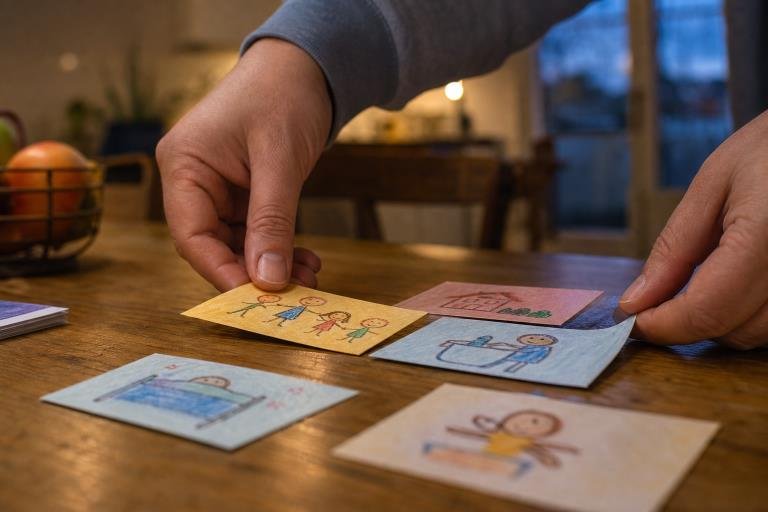
Young children often respond well to repetition, simple choices, and visual reminders. A picture chart for the morning or bedtime sequence can make expectations easier to understand. Offer manageable choices, such as selecting between two shirts or two books.
School-Age Children
Give children small responsibilities that match their abilities. They may pack part of a school bag, place dishes in the sink, help make a grocery list, or choose a family meal. Participation can make routines feel shared rather than imposed.
Teenagers
Teens usually need more flexibility and privacy. Invite them to help shape routines, especially around meals, family time, and weekend plans. Explain the purpose of the routine and leave room for changing academic, social, and extracurricular demands.
Keep Structure from Becoming Stressful
A routine is not helping if it becomes rigid, punitive, or a daily source of conflict. Illness, travel, new schools, family separation, grief, and unexpected work demands may require a temporary reset. Consider these adjustments:
- Use flexible time ranges instead of exact times.
- Make the routine short enough to repeat.
- Offer choices whenever possible.
- Do not use connection time as punishment.
- Revisit the plan when it no longer fits the family’s needs.
Use Routines to Support Better Communication
Difficult conversations can feel less intimidating when they happen within familiar activities. A car ride, a walk, a meal, or a bedtime check-in may provide a gentler opening than a formal family meeting. During those conversations, try to listen without interrupting, reflect what you heard, ask whether the person wants advice or support, and return to the topic later if emotions are running high. Parents and caregivers can also model habits they hope children will develop. Taking a break before responding, apologizing after a hard moment, asking for help, and putting away a device during conversation all demonstrate that emotional health involves practice, not perfection.
When Extra Support May Be Needed
Routines can support well-being, but they are not a replacement for mental health care when distress is serious or persistent. Consider reaching out to a pediatrician, school counselor, primary care provider, or licensed mental health professional if a child shows major withdrawal, frequent panic, ongoing sadness, school refusal, significant sleep changes, aggression, or a sudden shift in behavior. Families can also support a child’s mental health through daily routines by staying curious about mood changes, making time for open conversation, and seeking help when concerns affect daily life.
Conclusion
A healthier family life in Alexandria does not require a flawless schedule or a perfectly organized household. A shared meal, a brief check-in after school or work, a calmer bedtime routine, or a simple weekly plan can become a steady point of connection over time. Small routines can give family members opportunities to talk, listen, share responsibilities, and notice when someone may need additional support. The goal is not to fill every hour with planned activities, but to create predictable moments that fit naturally into the family’s daily life. Start with one routine that feels realistic, consider the needs and schedules of everyone involved, and allow it to change as children grow or circumstances shift. Some weeks may be easier than others, and routines may need to be adjusted during busy periods, illness, or unexpected changes. What matters most is creating consistent opportunities for connection and support. With patience and flexibility, everyday habits can help families build stronger communication and a more supportive home environment, while remembering that consistency and compassion matter more than getting every day exactly right.