An older home carries a charm that newer houses often struggle to match. Solid framing and thoughtful design details give these properties character. Yet the same years that add charm also wear down the outer shell of the house. Materials that once held up well slowly lose their strength, and small weak points begin to appear.
When the weather shifts between hot summers, heavy rain, strong winds, and freezing winters, those weak points come under pressure. Preparing an older home for these changes is less about one large project and more about a series of sensible upgrades. Each improvement helps the house stay dry, comfortable, and sound for many more years.
Why Older Exteriors Struggle With Shifting Seasons
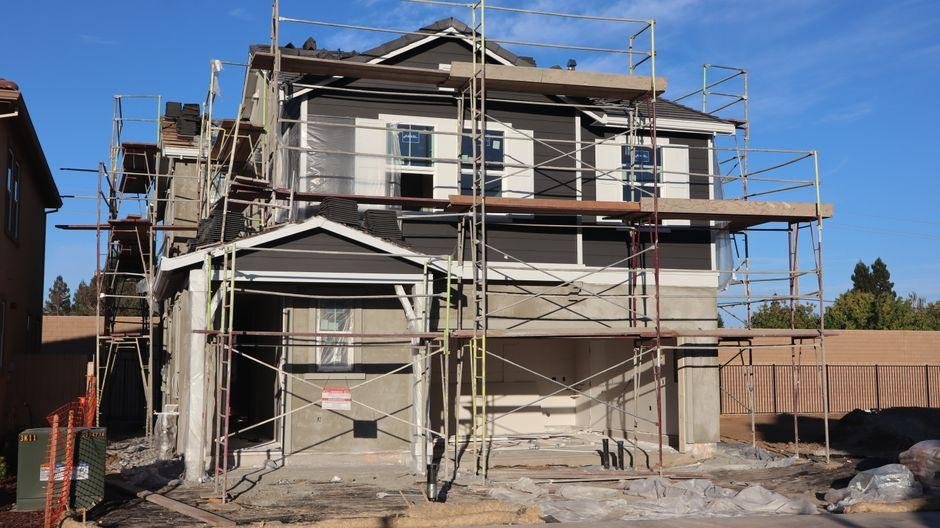
Every outer wall on an older house has spent decades facing sun, wind, rain, and frost, and that long exposure eventually shows. Worn siding is often where the trouble starts, since cracked, warped, or loose panels let moisture slip behind the walls and into the wooden frame. A full replacement of the outer wall covering is usually the most reliable way to restore that lost protection.
Homeowners in this position can hire an experienced crew for siding installation that suits the age, shape, and style of the house. A sound outer shell then gives every other improvement on the property a stronger base to build on.
Checking the Roof Before the Weather Turns
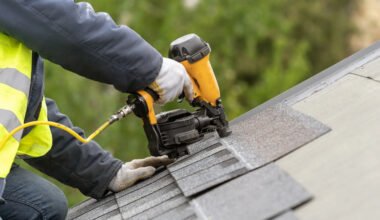
The roof takes the hardest hits from every season, so it deserves close attention on any older property. Shingles that curl, crack, or go missing allow water to reach the layers beneath them. Over time, that water can soften the wood decking and lead to leaks inside the attic or along the ceilings.
A careful look at the roof before winter or the stormy months can catch these problems while they are still small. Flashing around chimneys, vents, and skylights also needs checking, because gaps in these areas are a common source of hidden leaks. Older homes sometimes carry several layers of old roofing, which adds weight and hides damage underneath. Clearing away worn layers and starting fresh can give the house a roof that is ready for whatever the coming years bring.
Guiding Rainwater Away From the Foundation
Water that collects around a house can cause more harm than many homeowners expect. On older properties, gutters are often undersized, sagging, or clogged with leaves and debris. When they fail, rain spills over the edges and pours straight down beside the foundation.
That constant soaking can weaken the soil, crack basement walls, and invite moisture into the lower levels of the home. Clean, well-fitted gutters with downspouts that carry water a safe distance away make a clear difference. Gutter guards can also help by keeping leaves out and reducing how often cleaning is needed. Soil that slopes gently away from the house helps rainwater drain off instead of pooling against the walls.
Sealing Gaps Around Windows and Doors
Older windows and doors were built with care, but their seals rarely last forever. Wood shrinks and swells with the seasons, putty dries out, and weatherstripping wears thin. The result is a steady draft in cold months and unwanted heat during the summer.
Fresh caulk around frames, new weatherstripping along doors, and repairs to cracked sills can close many of these gaps at a modest cost. Where windows are badly worn, replacing them with newer, better-sealed units can improve comfort throughout the home. These small fixes also keep rain from finding its way into the wall cavities, where it can sit unnoticed and cause rot.
Protecting Trim, Eaves, and Wooden Details
The trim and eaves on an older home often hold much of its character, from decorative boards to deep overhangs. They are also among the first areas to suffer when water and weather go unchecked. Soffits and fascia boards that rot or loosen give birds, insects, and small animals an easy way into the attic.
Repairing or replacing damaged soffits keeps the roof edge sealed while still allowing the attic to breathe. Proper airflow in this space helps prevent moisture from building up in winter and heat from collecting in summer. Fresh paint or sealant on wooden trim adds another layer of defense against sun and rain, helping these details last longer.
Keeping Heat Inside During Colder Months
Many older homes were built at a time when insulation was thin or missing entirely. Without enough of it, heat escapes through the attic in winter and pours in during summer. Heating and cooling systems then work harder, and energy bills climb with every season.
Adding insulation to the attic is one of the most practical upgrades an older house can receive. It keeps indoor temperatures steadier, eases the load on heating and cooling equipment, and helps reduce the risk of ice dams. Ice dams form when warm air from the home melts snow on the roof, and that water refreezes along the colder edges. The ice then traps more melting snow behind it, forcing water under the shingles and into the house. Good insulation and steady attic airflow work together to keep this cycle from starting.
Planning Exterior Work Around the Calendar
Timing can shape how smoothly exterior improvements go. Late spring, summer, and early fall usually offer the steadiest conditions for outdoor work, with fewer delays from rain, snow, or freezing temperatures. Planning major projects for these months gives materials the right conditions to set and seal properly.
It also helps to plan upgrades in a sensible order. Repairs that keep water out, such as roof and gutter work, often come first, since they protect everything else. Comfort and appearance upgrades can follow once the house is dry and secure. A regular check of the exterior each spring and fall keeps small issues from growing into costly repairs. With steady attention and well-chosen improvements, an older home can stay strong, comfortable, and ready for every change the weather brings.