
The Transformation of Modern Real Estate Lead Generation Platforms
The real estate market is in constant motion, demanding that agents adopt increasingly sophisticated strategies to thrive. The days of relying solely on traditional methods are behind us. Today, success hinges on precision, deep client understanding, and fostering enduring relationships.
We have entered an era where technology is fundamentally reshaping how real estate professionals connect with potential clients. Modern lead generation platforms are no longer just tools; they are essential strategic partners that redefine every phase of the client journey.
In this comprehensive guide, we will explore how real estate lead generation platforms are evolving. We’ll delve into how they leverage advanced analytics to identify high-intent prospects and move beyond outdated outreach. We will also discuss the critical shift towards intent-driven inbound strategies, enabling agents to secure more exclusive buyer, seller, and cash offer opportunities. Finally, we’ll examine how these technological advancements enhance client relationships and underpin long-term business growth.
The landscape of real estate lead generation has undergone a profound transformation. What once relied heavily on cold calls and door-knocking now leverages sophisticated market intelligence to understand consumer behavior at an unprecedented level. Modern platforms are designed to dissect vast amounts of data, allowing agents to move beyond generic outreach to highly targeted audience segmentation. By identifying subtle intent signals and meticulously tracking conversion paths, these platforms ensure that every interaction is meaningful and every marketing dollar is spent effectively. This data-driven approach is critical for navigating a competitive market and securing a sustainable pipeline of prospects.
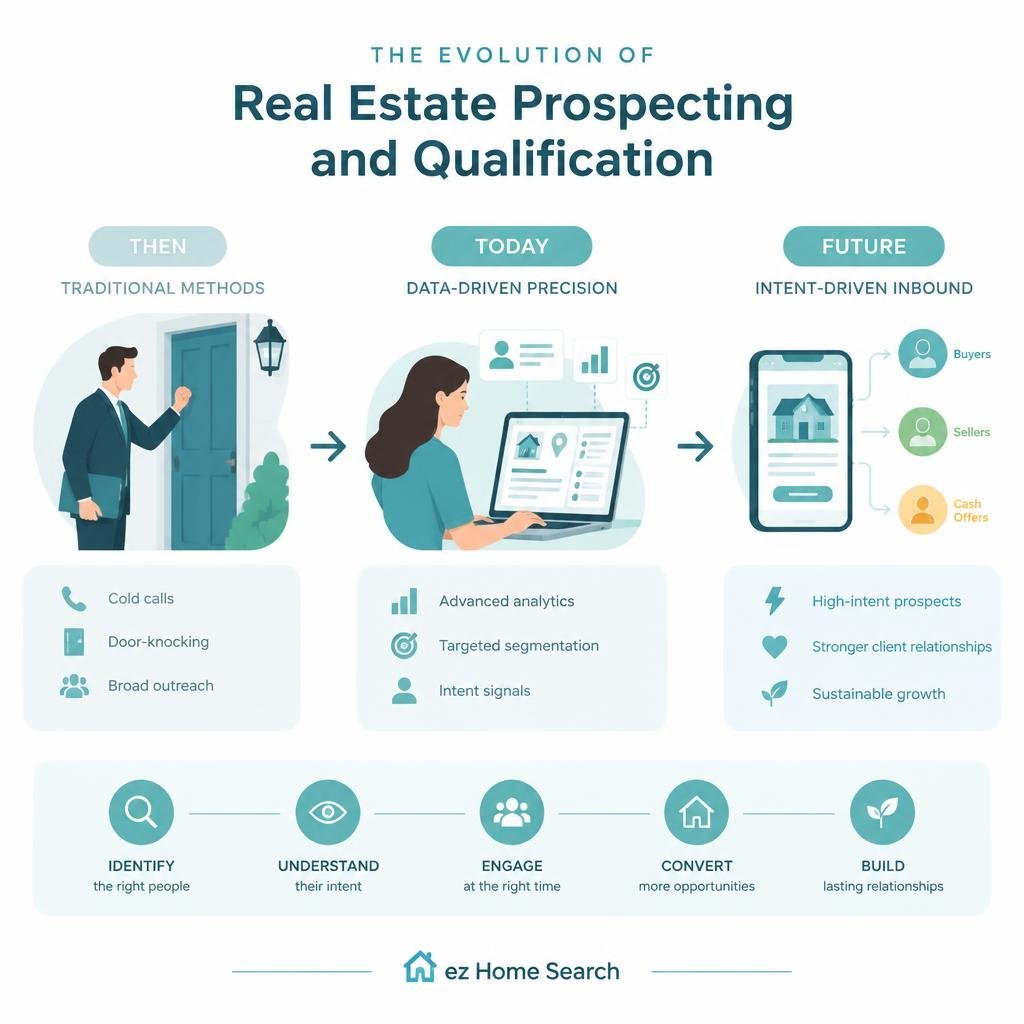
Predictive Analytics in Real Estate Lead Generation Platforms
At the heart of this evolution lies predictive analytics. These advanced systems go beyond simple demographic filters, employing behavioral modeling to anticipate future client needs. They analyze online activities, property search history, and even social media engagement to build comprehensive profiles of potential buyers and sellers. By tracking equity calculation trends and understanding the timing algorithms that influence market decisions, platforms can identify homeowners likely to sell before they even consider listing. For buyers, these systems can predict ideal property types and price points, presenting agents with warm leads that are genuinely aligned with their offerings. This foresight allows agents to engage with prospects at the optimal moment, significantly increasing conversion rates.
Shift from Cold Outreach to Intent-Driven Inbound
The era of relentless cold outreach is rapidly giving way to intent-driven inbound strategies. Modern lead generation platforms excel at creating inbound funnels that attract prospects who are actively seeking real estate services. This organic engagement is built on providing value upfront, whether through informative content, market insights, or direct solutions to property-related queries. The result is a stream of verified inquiries from individuals who have already demonstrated a clear interest. This shift not only improves the quality of leads but also transforms the agent’s role from a pursuer to a trusted advisor. By focusing on inbound strategies, agents can unlock more opportunities, including access to exclusive buyer seller and cash offer opportunities, ensuring a more sustainable and predictable pipeline for their business. This approach fosters a more positive initial interaction and sets the stage for stronger, long-term client relationships. That added clarity also helps teams forecast staffing, budgets, and follow-up priorities.
Technological Shifts Shaping Prospect Qualification and Management
The sophistication of lead generation platforms extends far beyond initial contact. Once a lead is captured, technological advancements play a crucial role in qualification, nurturing, and management. Automated real estate sales pipeline and workflow integration are now standard, ensuring that no lead falls through the cracks and every interaction is optimized. This is powered by robust API architecture that allows seamless integration with an agent’s existing tech stack. CRM synchronization ensures all client data is centralized and up-to-date, while automated nurture sequences keep prospects engaged with relevant content. Dynamic tagging further refines segmentation, allowing for highly personalized communication based on specific interests and behaviors.
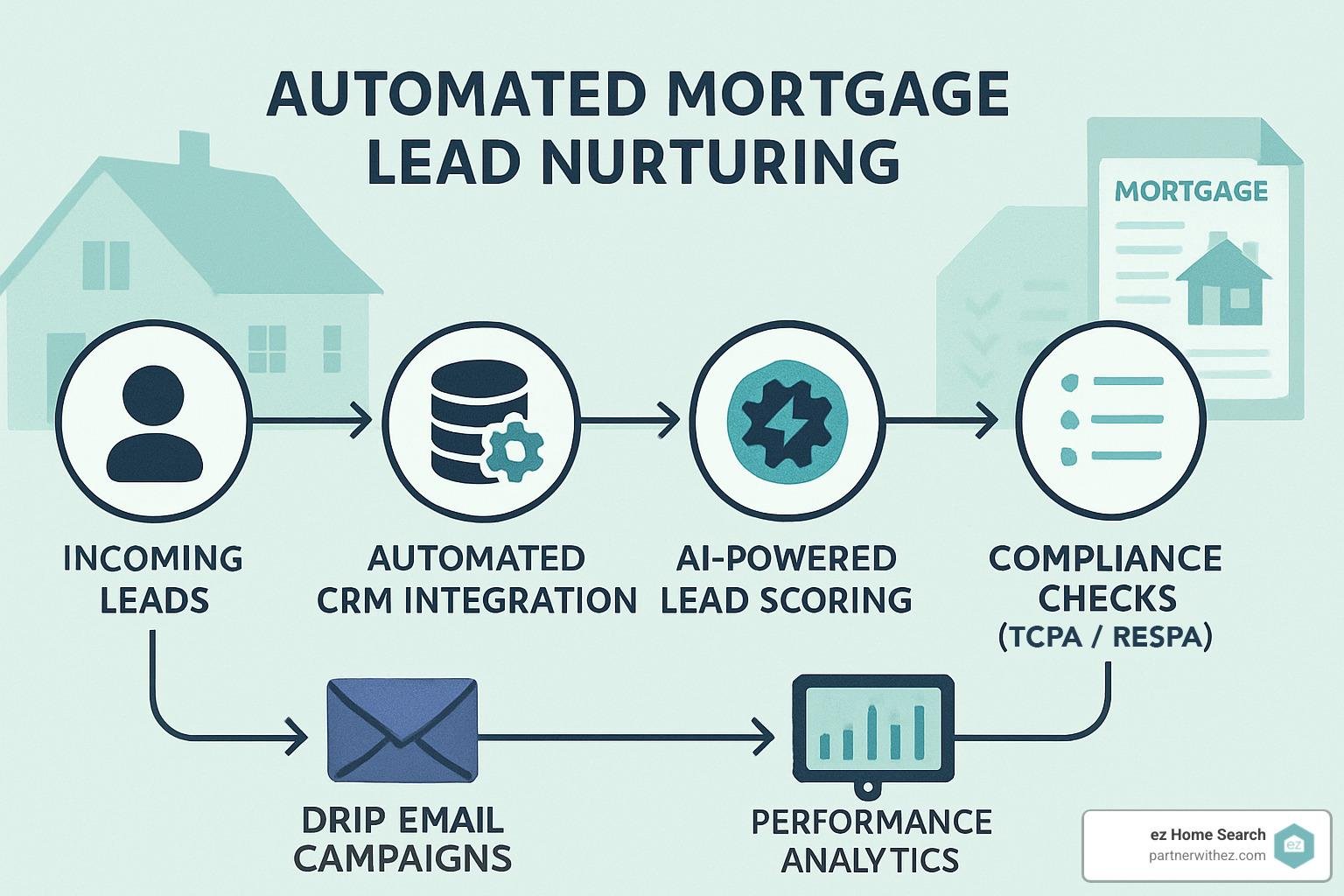
Core Capabilities of Modern Real Estate Lead Generation Platforms
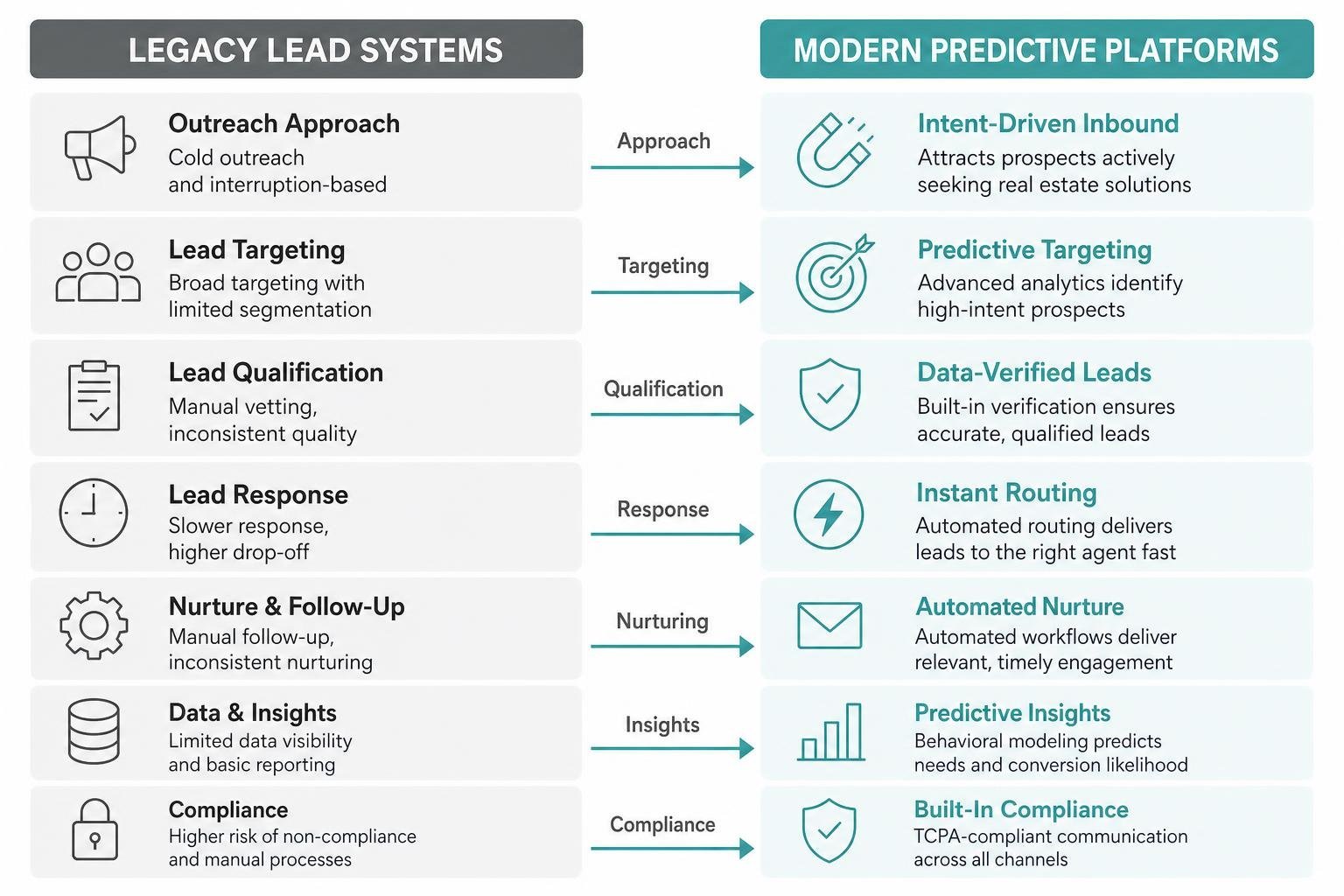
Modern platforms offer a suite of core capabilities that dramatically enhance efficiency and effectiveness. Unlike legacy lead systems that often relied on manual processes and generic lead distribution, today’s predictive platforms leverage machine learning for precise lead scoring. This allows agents to prioritize their efforts, focusing on the leads most likely to convert. Automated routing ensures that leads are immediately assigned to the most appropriate agent or team member, minimizing response times. Verification protocols are built-in to ensure data accuracy and weed out unqualified prospects, saving agents valuable time and resources. The comparison below highlights the stark differences:
Omnichannel Engagement and Direct Communication
Effective communication is paramount in real estate, and modern platforms facilitate omnichannel engagement. This means reaching clients through their preferred channels, whether it’s immediate SMS workflows, targeted email automation campaigns, or strategic social retargeting. Multi-touch outreach ensures consistent, personalized communication across various platforms, building familiarity and trust. When prospects receive timely property updates, tailored mortgage rate calculations, and market summaries right in their inbox or via SMS, their likelihood of responding rises dramatically. Crucially, these systems are built with robust compliance frameworks, particularly important for adhering to regulations like TCPA, ensuring that all direct communications are lawful and ethical. By harmonizing automated instant responses with personalized follow-up sequences, modern real estate professionals cultivate meaningful connections while maximizing their daily operational bandwidth. This integrated approach ensures that agents can maintain a continuous and relevant dialogue with their prospects and clients.
Connecting Automated Pipeline Growth with Relationship-First Strategies
While technology drives efficiency in lead generation and management, its ultimate purpose is to free up agents to focus on what truly matters: building strong, lasting relationships. The goal is not just to close a single transaction, but to cultivate client loyalty that translates into significant lifecycle value, repeat transactions, and a consistent flow of referral generation. Automated pipelines allow agents to spend less time on administrative tasks and more time on high-touch sphere marketing and personalized client interactions. This strategic blend ensures that technological advancements serve to amplify, rather than replace, the human element of real estate.
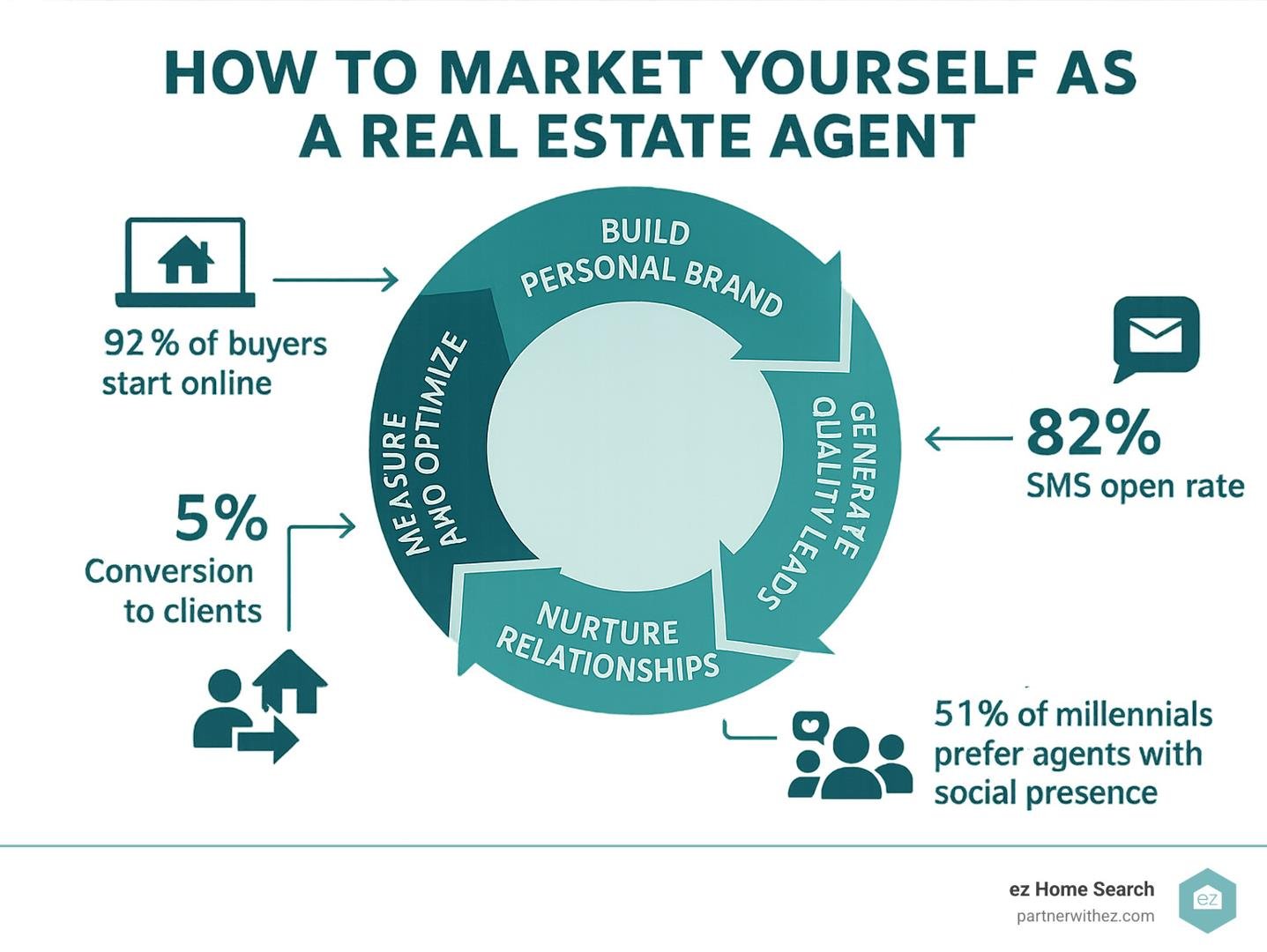
Blending Scalable Inbound Systems with High-Touch Client Loyalty
The most successful real estate professionals understand that a strong inbound system is a foundation, but sustained growth comes from past-client retention. Modern platforms enable agents to blend scalable lead generation with high-touch client loyalty programs. This means leveraging data to identify opportunities for personalized outreach and branded experiences that reinforce long-term trust. Reciprocal value is created when clients feel genuinely appreciated, not just during a transaction, but throughout their homeownership journey. From anniversary messages to exclusive event invitations, touchpoint personalization keeps agents top-of-mind and strengthens bonds. These thoughtful engagements transform clients into enthusiastic advocates for your business.
Community-Focused Initiatives and Accessible Touchpoints
Beyond individual client outreach, integrating community-focused initiatives into your strategy is a powerful way to demonstrate value and foster goodwill. Client appreciation events, for example, are not just about showing gratitude; they are strategic opportunities for local networking and brand reinforcement. These can range from grand annual gatherings to more intimate, low-overhead service events like a “shred day” where clients can safely dispose of sensitive documents, or a community utility fair showcasing local businesses.
Consider hosting a “Movie Night in the Park” for clients and their families, providing a relaxed atmosphere for connection. Or perhaps a “Local Business Showcase” where you invite clients to highlight their own ventures, creating a win-win for community engagement. Even a “Holiday Pie Giveaway” can create a memorable, low-stress touchpoint. The key is to create accessible touchpoints that resonate with your client base and provide genuine community utility, making your brand synonymous with local support and appreciation. These events, whether large or small, serve as tangible expressions of gratitude and provide invaluable opportunities for clients to interact with you and each other in a non-transactional setting, further solidifying relationships and encouraging organic referrals.
Frequently Asked Questions About Real Estate Lead Generation Platforms
As real estate professionals increasingly rely on advanced technology, common questions arise regarding platform performance, return on investment (ROI), and the metrics used for qualification. Understanding these aspects is crucial for making informed decisions about integrating new tools into your business strategy.
How do modern real estate platforms verify lead intent?
Modern real estate platforms employ a multi-faceted approach to verify lead intent. This includes sophisticated behavioral tracking, which monitors a prospect’s interactions across various digital touchpoints—from website visits and content downloads to property views and inquiry forms. They also cross-reference verified contact data with public records and other databases to ensure accuracy. Key indicators like search frequency, the depth of a prospect’s digital footprint, and the duration of their engagement on specific listings or resources are all analyzed. This comprehensive assessment provides agents with a high-confidence score regarding a lead’s genuine interest and readiness to transact.
What integrations are essential for modern lead capture systems?
For optimal efficiency and data flow, several integrations are essential for modern lead capture systems. A centralized CRM (Customer Relationship Management) system is paramount, acting as the single source of truth for all client interactions and data. Seamless integration with transaction software streamlines the deal process from lead to close. Email marketing platforms are crucial for automated nurturing campaigns, while calendar sync ensures efficient scheduling of appointments and follow-ups. Finally, robust workflow automation capabilities tie all these systems together, creating a cohesive and efficient operational ecosystem that minimizes manual effort and maximizes productivity.
How do automated platforms comply with data privacy regulations?
Compliance with data privacy regulations is a top priority for automated platforms. They are built with robust frameworks that include explicit consent management mechanisms, ensuring prospects provide clear opt-in standards before any data collection or communication. Data encryption protocols safeguard sensitive information, protecting it from unauthorized access. Furthermore, these platforms adhere to regulations such as TCPA (Telephone Consumer Protection Act) for communication practices and ensure transparent consumer disclosure regarding data usage and privacy policies. Regular audits and updates are conducted to stay abreast of evolving legal requirements, providing agents with peace of mind regarding compliance.
Conclusion
The evolution of real estate lead generation platforms marks a pivotal shift in how agents operate and succeed in today’s dynamic market. From leveraging predictive analytics to embracing intent-driven inbound strategies, these technological advancements are reshaping the industry. We’ve seen how sophisticated systems enhance prospect qualification and management through omnichannel engagement and seamless integrations.
More importantly, these platforms empower real estate professionals to build and nurture relationships with unprecedented efficiency and personalization. By automating the foundational aspects of lead management, agents are free to focus on high-touch interactions, fostering client loyalty, and engaging in community-focused initiatives that drive long-term growth and referral generation. The strategic adaptation to these evolving tools is not merely about staying competitive; it’s about building a more sustainable, client-centric, and ultimately, more successful real estate business.