For a while, it looked like the traditional hearth was on its way out. Flat screens took over the living room wall, minimalist interiors favored clean lines over brick and mantels, and heating became something you set on a thermostat and forget about. But that pendulum has swung back, and it has swung hard. Homeowners are once again falling for the warmth, the crackle, and the unmistakable character of wood fireplaces, and designers are paying attention. What used to be a builder-grade box tucked into a corner is now getting the full treatment: custom surrounds, dramatic proportions, and placement that puts the fire front and center.
If you have been thinking about updating your living room, or you are planning a renovation and wondering whether a wood fireplace still makes sense in a modern home, here are seven design trends worth knowing about before you start sketching ideas.
1. The Fireplace as the Focal Wall
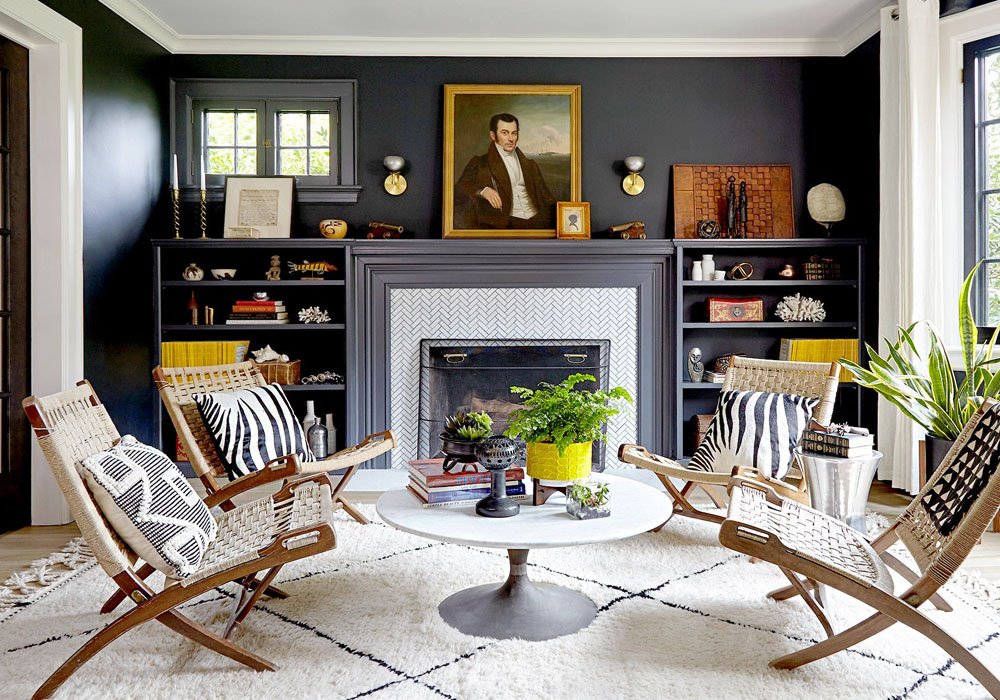
The single biggest shift in recent years is how homeowners are treating the fireplace wall itself. Instead of letting the hearth compete with a TV or a large window for attention, designers are now building the entire room around it. That means floor-to-ceiling surrounds, extended hearths that double as bench seating, and materials chosen specifically to frame the fire.
In many new builds and remodels, the fireplace wall has replaced the television wall as the main anchor of the living room. Homeowners who still want a screen are tucking it into a cabinet, mounting it on an adjacent wall, or hiding it behind artwork on a lift system. The fire gets the prime spot. It is a quiet rejection of the “TV room” in favor of something older and, honestly, more human. People want a reason to sit and look at something together, and a fire does that better than anything else.
2. Plaster and Limewash Surrounds
Heavy stone and ornate mantels had a long run, but the current favorite is much softer. Plaster and limewash finishes give a fireplace surround a smooth, almost handmade texture that suits both modern and transitional interiors. The look is warm without being rustic, and it plays nicely with the natural tones that dominate interior palettes right now.
A trowel-applied plaster surround in a warm white or soft greige lets the fire itself provide the color and movement in the room. Some homeowners are taking it further with slightly textured, undulating finishes that catch the firelight in the evening. It is a subtle effect, but it is exactly the kind of detail that makes a room feel considered rather than assembled from a catalog.
3. Blackened Steel and Matte Black Accents
On the opposite end of the texture spectrum, matte black steel has become the go-to material for contemporary wood fireplace installs. Slim steel surrounds, blackened metal flue pipes left exposed, and dark interior fireboxes give a room a slightly industrial edge that still feels livable.
This trend pairs especially well with lighter rooms. A pale, airy living room with a black steel fireplace creates contrast that feels intentional and calm rather than stark. It also photographs beautifully, which is part of why it has spread so quickly through design blogs and social feeds. If you like the idea of a fireplace that reads modern without feeling cold, blackened steel is worth a look.
4. Lower, Wider Fireboxes
Older fireplaces tend to sit high off the floor with a fairly narrow opening. Newer designs flip that formula. Wide, low-profile fireboxes placed closer to the floor change how a room is used. The fire becomes something you view from a seated position, which is where people actually spend their time.
A low, wide firebox also opens up furniture arrangements. Instead of pointing every chair and sofa at a raised hearth, you can arrange seating in a loose, conversational way around a fire that sits at eye level when you are curled up on the couch. Some homeowners are pairing these wide fireboxes with raised hearth platforms that double as extra seating during gatherings, which is a practical touch that earns its keep during the holidays.
5. Built-In Wood Storage as Design
Firewood used to be something you hid in the garage or a bin outside. Now it is part of the design. Built-in log storage beside or beneath the fireplace has become a signature detail in modern living rooms, and it makes sense when you think about it. Stacked firewood has genuine visual appeal: organic texture, natural color variation, and a subtle suggestion of coziness that no amount of décor can fake.
Designers are incorporating recessed niches for logs, steel-framed racks built into the surround, and even full wood-storage walls behind open shelving. Beyond looks, keeping a modest supply of seasoned wood indoors has a practical benefit: it burns better when it is dry and at room temperature. Just keep the indoor stash small and rotate it, since firewood can bring dust and the occasional hitchhiker along with it.
6. Warm Minimalism and Natural Materials
The broader design world has shifted away from cool grays and sterile minimalism toward warmer, more natural rooms, and wood fireplaces fit that shift perfectly. Designers are pairing hearths with oak shelving, wool textiles, leather chairs, and earthy paint colors like clay, olive, and warm taupe.
In these rooms, the fireplace does a lot of quiet work. It provides a natural gathering point, adds movement through flame and shadow, and softens spaces that might otherwise feel a little too curated. A living room with a wood fireplace, a couple of comfortable chairs, and a stack of good books is a room people actually use. That is the whole point of the trend.
7. Smarter, Cleaner-Burning Technology Behind the Scenes
The last trend is the one you cannot see, but it matters most for anyone planning an install. Modern EPA-certified wood fireplaces and inserts burn far cleaner and more efficiently than the models most people grew up with. High-efficiency fireboxes, better combustion air control, and cleaner-burning designs mean more heat from less wood and noticeably less smoke.
That matters for a few reasons. Many jurisdictions have tightened rules around wood burning, and a certified unit keeps you on the right side of local regulations. It also matters for anyone who loves the idea of a fire but has reservations about air quality. The technology has improved enough that those concerns can be addressed without giving up the real-flame experience. If your existing fireplace is an older open hearth, a high-efficiency insert can transform it while keeping the character you already love.
A Few Practical Notes Before You Plan
If any of these trends have you sketching ideas on a napkin, a few things are worth keeping in mind. First, wood fireplace work is not a weekend DIY project. Chimney requirements, clearances to combustibles, and local building codes all shape what is possible in your space, so bring in a qualified professional early in the planning process rather than after you have picked out materials.
Second, think about how you actually live. A dramatic floor-to-ceiling surround looks stunning in photos, but if your living room doubles as a playroom, a raised hearth and a sturdy safety gate might serve you better for a few years. The best fireplace design is the one that fits the household, not just the mood board.
Finally, budget for the whole system, not just the pretty parts. The surround gets all the attention, but the flue, chimney work, and installation labor often account for a large share of the total cost. Knowing that upfront saves unpleasant surprises later.
The Takeaway
The wood fireplace has earned its comeback. It is no longer a relic competing with the television for wall space. It is the thing around which the modern living room is built: a source of real warmth, real light, and the kind of atmosphere that no smart gadget has managed to replicate. Whether your taste runs toward soft plaster and warm minimalism or bold blackened steel, there has never been a better time to make the hearth the heart of your home again.