Key Takeaways
- Sort belongings into four categories: frequently used, seasonal, long-term, and items to donate, sell, or discard.
- Create a home inventory with photographs, receipts, serial numbers, and other useful details before packing valuable possessions.
- Clean and dry belongings before storage, and use suitable containers and protective materials.
- Label boxes clearly on the top and sides to make it easier to find items.
- Choose storage locations based on moisture, temperature, pest exposure, security, and accessibility.
- Keep emergency supplies, medications, important documents, and evacuation essentials easily accessible, especially during wildfire season.
- Review stored belongings and emergency supplies regularly to replace expired items and address potential damage.
- Off-site storage can help residents of Santa Rosa, Rohnert Park, and Sebastopol manage their belongings during moves, renovations, downsizing, and seasonal changes.
Santa Rosa households often need to make room for changing seasons, outdoor gear, family keepsakes, moving boxes, and business materials without turning the garage or spare room into a permanent pile of clutter. For people comparing self storage Santa Rosa options, Santa Rosa Stor-All is a family-operated local facility that has served the area since 1982 with drive-up storage units, moving supplies, and flexible space for household and business belongings. Its Santa Rosa location also offers a practical option for nearby Rohnert Park and Sebastopol residents who need room during a move, renovation, or seasonal reset. The goal is not simply to put possessions out of sight. A useful storage system protects what matters, makes frequently needed items easy to reach, and helps prevent duplicate purchases caused by misplaced boxes. With a few consistent habits, storage can support a calmer, more functional home throughout the year.
Why Storage Needs a Simple Plan
Random stacking creates predictable problems. A family may search through ten unlabeled cartons for winter coats, only to discover that decorations, kitchen items, and old paperwork are mixed. Boxes become difficult to lift, belongings can be damaged, and items that are no longer useful continue consuming valuable space. A better approach begins with a system. Decide what stays accessible, what rotates with the seasons, what deserves long-term protection, and what should leave the home altogether.
Start With Four Storage Categories
- Use often: Keep weekly or monthly items, such as cleaning supplies, hobby materials, and everyday tools, within easy reach.
- Use seasonally: Group holiday decorations, patio cushions, camping equipment, sports gear, and off-season clothing.
- Keep for the future: Reserve this category for keepsakes, furniture, business records, or items connected to a planned move.
- Remove from the home: Set aside belongings for donation, recycling, sale, or disposal.
Sort before buying bins or moving anything off-site. This prevents unwanted possessions from taking up paid storage space or crowding a closet for another year.
Build a Home Inventory Before Packing
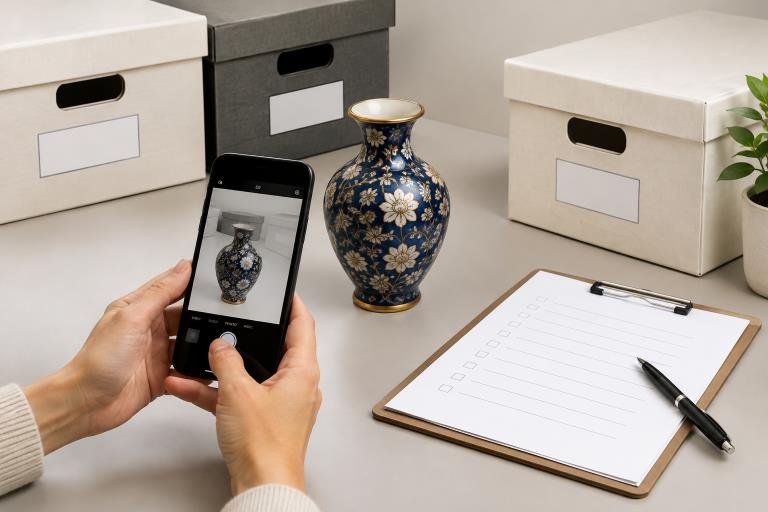
Photograph valuable belongings before boxing them, and note serial numbers, receipts, appraisals, model numbers, and approximate purchase dates when available. The California Department of Insurance recommends creating a record of household possessions before a loss occurs, and its home inventory guidance can help households organize that process. Save digital records in a secure account and keep critical paper records in a protected, accessible place. An inventory is useful when organizing after a move and when documenting property after damage or theft.
Pack Each Belonging for Its Needs
- Clothing and linens: Wash and dry everything completely before folding it into clean containers.
- Furniture: Clean surfaces, use breathable covers, and avoid stacking heavy objects on cushions or upholstered pieces.
- Electronics: Remove batteries when appropriate, cushion fragile items, and place labeled cords in the same box.
- Documents: Use waterproof folders or cases, with digital backups stored separately.
- Holiday items: Pack by holiday, room, or display area so decorating does not require opening every box.
- Tools and equipment: Clean and dry them first, especially metal items, which should not be stored in moisture.
Label Boxes for Fast Retrieval
Label the top and one side of every container. Replace vague descriptions such as “miscellaneous” with a room, category, and priority note. For example: “Kitchen, Holiday Serving Items, Open in December.” Numbering boxes and keeping a matching phone note or spreadsheet makes the system even easier to search. Store heavy cartons on the bottom, leave a clear walkway, and position boxes you may need soon near the front. If a box changes, update its label immediately rather than relying on memory.
Choose the Right Storage Location
Closets and cabinets work well for frequently used belongings. Garages, attics, and basements may be better for durable items, but evaluate moisture, temperature swings, pests, light exposure, security, and safe access before storing anything important there. Sensitive documents, photographs, electronics, and wood furniture generally need more care than basic household supplies. Off-site storage can make sense when a home lacks space to store overflow, inherited furniture, seasonal equipment, or business inventory. Before moving in, confirm the provider’s rules, access arrangements, and restrictions on items such as perishables, wet belongings, hazardous materials, or flammables.
Keep Emergency Essentials Easy to Grab
Emergency supplies should never be buried behind holiday bins or large furniture. Keep go-bags, medications, flashlights, chargers, water, pet supplies, spare keys, and essential documents in an easy-to-reach place. Review the supply area twice a year, replacing expired items and checking batteries. CAL FIRE advises households to prepare before evacuation is necessary, sign up for local alerts, know community evacuation information, and keep an emergency supply kit or evacuation bag ready in the vehicle. Its evacuation preparation guidance is a useful starting point for Santa Rosa families as they create a practical plan.
Prepare for Wildfire Season Calmly
Wildfire preparation is a routine household task, not a reason for panic. Identify what must leave with the household, including medications, documents, small valuables, pet needs, and irreplaceable keepsakes. Larger furniture and ordinary stored belongings may remain behind. Storage space does not replace an evacuation plan, appropriate insurance, or compliance with official evacuation orders.
Create a Seasonal Rotation Calendar
- January: Put away holiday items and review winter gear.
- March or April: Rotate clothing, outdoor equipment, and sports supplies.
- June: Check emergency bags, batteries, documents, and water supplies.
- September: Organize school materials and prepare for wetter, cooler months.
- November: Review decorations and donate unused items.
Common Storage Mistakes to Avoid
- Packing damp clothing, tools, or equipment.
- Overfilling cartons until they are unsafe to lift.
- Using moisture-prone cardboard where water exposure is possible.
- Blocking access with tightly packed boxes and no walkway.
- Storing important documents in only one place.
- Keeping broken or unused items without reassessing their value.
Quick Storage Checklist
- Sort belongings into clear categories.
- Clean and dry everything before packing.
- Photograph valuable property and maintain an inventory.
- Label each box on two sides.
- Keep frequently needed items near the front.
- Review emergency supplies and seasonal storage regularly.
Common Storage Questions
What should not go into storage?
Do not store perishables, wet items, flammable materials, illegal items, or anything prohibited by the property owner or storage provider.
How often should stored items be checked?
Check frequently used storage every few months. Long-term belongings still deserve occasional inspections for moisture, pests, shifting boxes, or damaged packaging.
Should important documents go into a storage unit?
Essential documents should remain quickly accessible, with protected physical copies and secure digital backups stored separately.
When does off-site storage make sense?
It can be helpful during moves, renovations, downsizing, estate transitions, seasonal rotations, or when household and business belongings no longer fit safely at home.
Make Storage Support Your Life
An effective storage plan should reduce stress rather than create it. Clear categories, careful packing, accurate labels, regular seasonal reviews, and a ready-to-go emergency area help Santa Rosa households protect belongings while making better use of the space they already have.
Conclusion
An organized storage system can help Santa Rosa households make better use of their living space while keeping important belongings protected and accessible. Start by sorting items into practical categories, creating a home inventory, packing each item according to its needs, and clearly labeling boxes. Regular seasonal reviews can prevent clutter from building up and ensure emergency supplies remain easy to reach. For belongings that no longer fit comfortably at home, off-site storage can offer valuable flexibility during moves, renovations, downsizing, or seasonal changes. Santa Rosa Stor-All offers a local option for household and business storage needs. Ultimately, the best approach combines thoughtful organization, safe storage practices, and consistent maintenance so belongings remain easier to manage throughout the year.