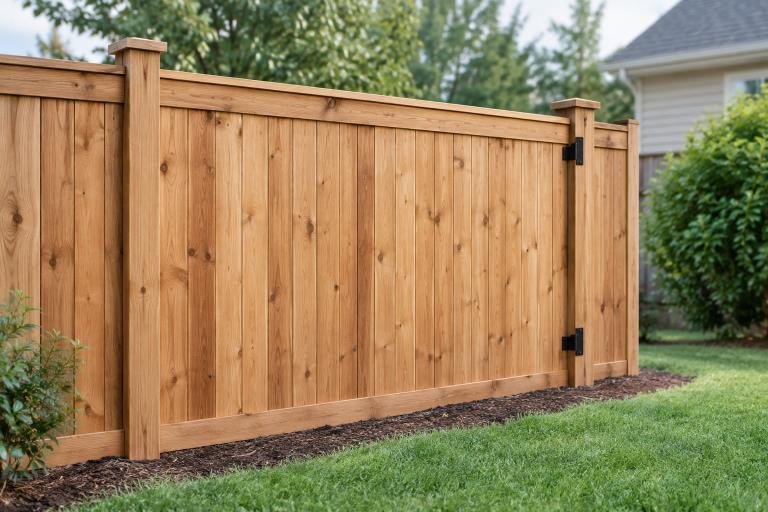
A well-planned fence can make a Cincinnati yard feel more private, more secure, and easier to use every day. Whether the goal is to give a dog a reliable place to run, screen a patio, outline a garden, or improve curb appeal, the best choice starts with the property’s realities. Homeowners comparing materials and layouts can visit this website for examples of residential fence options available in the Cincinnati area.
Local yards rarely come in one simple shape. A narrow city lot, a hillside property, a backyard with mature trees, or a home near a busy street may call for very different decisions about height, visibility, gates, and materials. Choosing with daily routines in mind helps prevent a fence from becoming an expensive feature that is inconvenient to maintain or use.
Start With the Purpose of the Fence
Define the main job before selecting a style. Privacy often calls for closely spaced boards or solid panels, while a boundary fence may work better with an open design that preserves sightlines. Families with children or pets should think about gate latches, gaps near the ground, and the routes used to enter and exit the yard.
For example, a homeowner with an energetic dog may prioritize a durable enclosed run, a dependable latch, and a gate wide enough for lawn equipment. Someone focused on a deck or patio may instead prefer a taller privacy design that creates separation from neighboring windows. One fence can serve several purposes, but the primary purpose should drive the layout.
Compare Common Fence Materials
Each material has trade-offs involving appearance, privacy, maintenance, cost, and performance on uneven ground. This quick comparison can narrow the choices before requesting estimates.
| Material | Best Fit | Privacy | Maintenance Considerations |
| Wood | Traditional homes and custom designs | High with solid boards | Inspect, clean, and refinish as needed |
| Vinyl | Low-maintenance privacy fencing | High with solid panels | Wash periodically and inspect for damage |
| Aluminum | Decorative boundaries and sloped yards | Low | Check hardware and clean when needed |
| Chain Link | Pets, gardens, and practical enclosures | Low, unless screened | Inspect coating, ties, and gates |
Wood
Wood offers a warm, adaptable appearance and can be built in many privacy-friendly patterns. It suits homeowners who want a more traditional look or a design tailored to the house. In return, it needs regular attention. Boards, fasteners, and protective finishes should be inspected periodically, especially where damp leaves, soil, or plants remain against the fence.
Vinyl
Vinyl is popular for its clean finish and limited routine upkeep. Solid-panel styles can work well around backyards and patios where privacy matters. Before choosing it, consider the color, panel style, repair options, and how the planned fence will relate to the home’s exterior.
Aluminum and Chain Link
Aluminum can be a strong option where visibility, decorative detail, and changing grades matter more than screening. Chain link remains practical for large yards, dog areas, and garden protection. Privacy slats or screens may change its appearance, but they should not be treated as a substitute for thoughtful fence placement.
Match the Fence to the Yard
Cincinnati properties can include slopes, drainage paths, retaining walls, old landscaping, and tight side yards. Walk the proposed fence line before finalizing a design. Look at it from inside the yard and from the street, then identify places where water collects or where tree roots could complicate post locations.
- Measure the approximate fence line.
- Mark patios, sheds, walkways, driveways, and utility equipment.
- Note low areas and changes in grade.
- Identify trees and roots near planned posts.
- Consider access for installation and future repairs.
Plan a Realistic Fence Budget
Fence pricing depends on more than the number of linear feet. Height, material, terrain, gate count, post requirements, old-fence removal, site access, hardware, and cleanup can all affect the final scope. Compare written estimates that identify the material, fence height, gate sizes, removal work, site conditions, payment schedule, and warranty terms.
A lower initial estimate is not always the better value if important details are vague. Ask whether the quote addresses disposal, difficult-access areas, grading needs, and final cleanup. Clear descriptions make it easier to compare proposals fairly and reduce surprises once work begins.
Check Cincinnati Rules Before Digging
Confirm requirements before ordering materials or setting posts. The City of Cincinnati notes that building or replacing a fence generally requires at least a Zoning Certificate, though certain conditions may require additional review. Fence rules may vary based on height, placement, visibility, historic-district status, and the relationship to public areas.
Also review subdivision, neighborhood, or homeowners association rules. Obtain written confirmation when approval is required, and do not assume a nearby fence was installed under the same standards that apply to your property.
Prepare the Property and Fence Line
Property lines deserve careful attention. Review a survey if one is available, discuss the plan with neighbors when appropriate, and avoid using an existing fence as automatic proof of the legal boundary. A courteous conversation early in the process can prevent confusion later about access, appearance, and shared views.
Utility marking is equally important. The person actually excavating is responsible for contacting OHIO811 before digging, so homeowners should confirm that the contractor has done so before excavation begins. Ask for confirmation rather than assuming the step has been handled.
Think Carefully About Gates
A fence can be sturdy and attractive while a poorly planned gate becomes its most frustrating feature. Put gates where people naturally walk, and make openings wide enough for trash bins, lawn equipment, bicycles, or wheelbarrows. Wide driveway gates and frequently used gates need especially strong posts and reliable hardware.
- Use a side-yard gate for routine access.
- Plan a separate gate for a dog run or garden.
- Keep gate swings clear of sidewalks and public areas.
- Consider self-closing hardware where pool safety requirements apply.
Avoid Common Planning Mistakes
- Choosing a material based only on appearance.
- Skipping boundary research and utility notification.
- Leaving gate placement until the end of planning.
- Ignoring drainage, slopes, and roots.
- Accepting an estimate with unclear material details.
- Underestimating long-term maintenance needs.
Maintain the Fence Through the Seasons
Simple seasonal checks can extend the useful life of a fence. In spring, inspect posts, hinges, latches, and fasteners. Remove leaf buildup and soil that rests against the fence base. Clean vinyl and aluminum with mild soap and water, and check wood for soft areas, loose boards, peeling finish, or insect damage. Trim back vegetation that presses against panels or interferes with gates, then address minor repairs before they become larger problems.
Use a Simple Pre-Installation Checklist
- The fence’s primary purpose is clear.
- At least two material options were considered.
- The fence line, gates, drainage, and access routes were reviewed.
- Property boundaries and applicable local rules were checked.
- Utility marking responsibilities were confirmed.
- The written estimate explains the materials, scope of work, and cleanup.
- Long-term care requirements fit the household routine.
The right Cincinnati fence should fit more than a property line. When the design reflects the yard, budget, daily habits, and maintenance expectations, it can provide practical value and a finished look that remains useful for years.