Water leaks are one of the most common and costly emergencies homeowners face. Whether it’s from aging pipes, unexpected freezing temperatures, or faulty appliances, a sudden water leak can quickly lead to significant property damage. To prevent these disasters, understanding the process and importance of automatic water shut off valve installation is a critical part of protecting your home. With the right shutoff valve installed, you can stop water flow in seconds, drastically reducing the risk of extensive, expensive repairs.
Having an emergency shutoff valve is more than just a safety precaution; it’s an essential part of responsible homeownership. This comprehensive guide will show you why these valves matter, how to locate or add one, which types you might consider, and how to keep your system in good working order for years to come.
The reality is that, even with diligence, plumbing issues can arise unexpectedly, so becoming familiar with your water shutoff strategies today can save a great deal of frustration tomorrow. The convenience and peace of mind these systems offer are unparalleled, especially in emergencies when acting quickly is critical.
For residents who want expert help or lack confidence in tackling a plumbing project, finding a knowledgeable plumber in Fairfield is a straightforward way to ensure professional, code-compliant installation and ongoing maintenance.
Why Emergency Water Shutoff Valves Are Essential
Home water leaks can cost thousands of dollars in repairs and often trigger insurance claims nationwide. The most common causes of leaks include old pipes, loose connections, corrosion, weather events, and malfunctioning appliances. When a leak is discovered, time is of the essence; a quick shutoff response reduces the risk of extensive damage. Water shutoff valves allow a homeowner to quickly stop water at the source with a simple switch or, with automatic valves, with virtually no action required.
Beyond structural damage, water leaks pose additional risks, including electrical hazards and health concerns from bacteria and mold. Emergency valves provide vital protection not only for your home’s infrastructure but also for the well-being of those living inside. For more information on the risks and costs associated with water leaks, see this Tom’s Guide resource on preventing water damage.
Locating Your Main Water Shutoff Valve
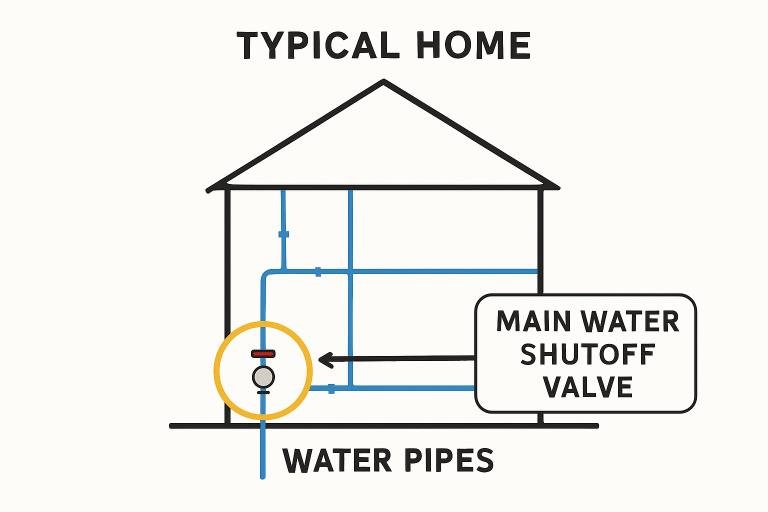
Understanding where your main water shutoff valve is located is fundamental to responding to any emergency. In most homes, this valve is found:
- In the basement or crawlspace:Usually on the side of the house facing the street, near the water meter or where the main line enters.
- In the garage:Often near other utilities, like the water heater or furnace, if the home lacks a basement.
- Outside:In climates where interior freezing is a risk, look for a utility box close to your property’s boundary, commonly along the sidewalk or in a garden bed near the curb.
Being able to locate and operate this valve at a moment’s notice can save precious time in an emergency. Make a habit of periodically checking the accessibility of your shutoff valve to ensure it’s not blocked by boxes, furniture, or debris.
Types of Emergency Water Shutoff Valves
There are several different valve types to consider for home installation. Each comes with unique features, protection levels, and installation considerations:
- Ball valves:Easily identified by their lever handles, which turn a quarter turn to open or close. They are durable, quick to operate, and provide a positive seal.
- Gate valves:Requiring multiple turns of a round handle, these classic valves are effective but can corrode or seize over time, sometimes making them difficult to operate in a hurry.
- Automatic shutoff valves:Fitted with sensors to detect leaks or unusual water flow, these valves automatically shut off the water supply. Smart home-compatible models can alert homeowners via smartphone and be controlled remotely, a great option when away from home.
Your selection will depend on the age and type of your plumbing, personal preferences, and budget.
Step-by-Step Installation Guide
Upgrading or adding a new emergency water shutoff valve is a task that many homeowners can do themselves if they are comfortable with plumbing basics. If not, professional assistance is recommended. Here are the basic installation steps:
- Turn off the water supply:Close the main valve and open nearby faucets to relieve pressure and drain any remaining water.
- Cut the pipe:Use a pipe cutter or hacksaw to remove a small section of the main line where the valve will be inserted.
- Install the new valve:Use soldering, compression fittings, or push-to-connect technology, and follow the manufacturer’s instructions to secure it. Proper alignment and tight seals are crucial to avoid leaks.
- Test your installation:Gradually reopen the main valve and observe for leaks around the new installation. Open and close your new valve several times to test for smooth operation.
For a detailed visual walkthrough, consult the City of Seattle’s step-by-step guide.
Maintenance Tips for Longevity
Ongoing maintenance is as important as installing your valve in the first place. To make sure your emergency shutoff can’t let you down:
- Operate the valve periodically:Turn it off and on every few months. This helps prevent sticking or seizing from disuse or mineral buildup.
- Monitor for leaks or corrosion:Regularly check the valve and nearby pipes for moisture, rust, or drips. Address any signs of trouble immediately.
- Keep the valve accessible:Never block access with furniture, boxes, or storage; a valve you cannot reach quickly is essentially useless in an emergency.
When to Call a Professional
DIY installation can be rewarding, but working with main water lines involves risks and requires familiarity with local plumbing codes. A licensed plumber will ensure every connection is leak-free and up to code, which may be necessary for insurance or resale. Professional installers can also help you select and integrate advanced solutions, like smart automatic shutoff valves, to maximize convenience and protection.
Conclusion
Being proactive about installing an emergency water shutoff valve is one of the most valuable steps a homeowner can take to protect their biggest investment. Identify and test your main shutoff valve, upgrade to efficient, reliable models as needed, and perform periodic maintenance to ensure dependable operation. If you have questions or feel hesitant, don’t hesitate to call a qualified plumbing expert. Proper preparation turns potential plumbing emergencies into manageable situations, giving you confidence and peace of mind all year round.