Buying land on Mercer Island can be the first step toward a highly personal home, but a promising address, water view, or generous parcel size does not automatically translate into an easy building project. Before committing to a purchase, buyers should understand what the site, local regulations, and project budget will realistically support.
Thoughtful early research gives owners, designers, and Mercer Island construction teams a stronger starting point. It can also help a buyer shape offer terms around inspection, feasibility, and approval deadlines rather than discovering major constraints after closing.
Why Lot Due Diligence Matters
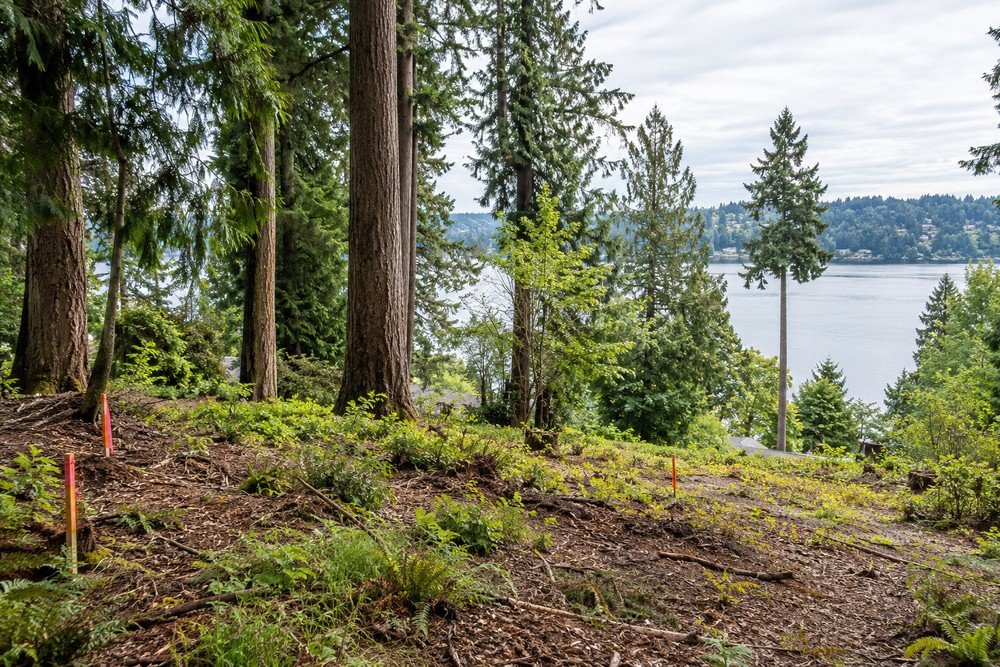
A buildable lot is defined by more than its dimensions. The usable building area may be reduced by setbacks, steep terrain, drainage needs, protected vegetation, utility corridors, easements, or shoreline-related restrictions. A smaller, level parcel with established access and nearby utility connections may be simpler to develop than a larger wooded site with difficult grades.
Due diligence should happen before a floor plan becomes emotionally or financially fixed. The property should guide the home’s placement, foundation approach, driveway layout, drainage plan, and relationship to mature trees or neighboring homes. Starting with the site helps avoid redesign work later in the process.
Start With Zoning and Land-Use Rules
Begin by confirming the parcel’s zoning, permitted residential use, and overlay conditions. Ask city planning staff about setbacks, height limits, lot coverage, parking, tree rules, and if a project could trigger additional review. Mercer Island’s residential requirements offer a good starting point for understanding local review for major residential work. Do not assume an existing house defines what can be rebuilt; previous structures or features may have been built under different rules or not reflect current conditions. If the plan relies on an exception, lot division, variance, or discretionary approval, identify that while the purchase is still contingent.
Check the Site Before Designing the Home
Start With Reliable Site Information
A current boundary and topographic survey is one of the most useful early investments. It can show property lines, visible improvements, contours, easements, and grade changes that affect where a home can be built. A survey also gives the design team a reliable basis for preliminary planning, rather than relying on listing dimensions or informal assumptions.
Look Below and Around the Building Area
Site conditions deserve close attention on an island where wooded lots, sloped streets, and water-adjacent properties are common. A geotechnical professional can evaluate soil and slope considerations relevant to the proposed work. Buyers should also look for signs of standing water, erosion, settlement, aging retaining structures, or steep changes in grade that may influence excavation and foundation design.
Review Trees, Slopes, and Critical Areas
Large trees shape Mercer Island’s residential character but can impact building placement and construction. An arborist can identify and assess important trees, and determine if removal, pruning, or root work needs review. Tree protection affects footprint, crane placement, trenching, and staging. Properties should also be checked for wetlands, watercourses, erosion, slopes, or critical areas, which may require studies and limit feasible grading or structures. Early arborist and geotechnical review is valuable before inspection deadlines.
Understand Shoreline Rules
For lots near Lake Washington, shoreline considerations should be evaluated early rather than treated as a final permitting detail. Shoreline jurisdiction can affect home placement, vegetation management, grading, retaining walls, landscaping, and improvements near the water. Under Washington’s Shoreline Management Act, local shoreline programs address shoreline use, environmental protection, and public access.
Buyers should identify the ordinary high-water mark and confirm applicable buffers or setbacks with qualified professionals and city staff. A site that appears to have ample depth from the street may have a much smaller practical building envelope once shoreline conditions are considered.
Confirm Access, Utilities, and Drainage
Legal access differs from convenient access. Ensure the lot has suitable road or driveway access and review any shared-driveway agreement, recorded easement, or maintenance obligation. Narrow approaches, steep driveways, or limited turnarounds can impact deliveries, construction, emergency access, and parking. Verify the locations of water, sewer, power, gas, communications, and stormwater facilities; existing connections may require relocation, upgrading, or coordination. Easements can restrict excavation, landscaping, additions, or the construction of structures. Ask early about temporary drainage and stormwater management.
Build a Realistic 2026 Budget
The land purchase price is only one part of the project cost. A realistic initial budget should include surveys, architecture, engineering, geotechnical work, arborist services, permitting, demolition, if needed, utility work, site preparation, construction, landscaping, financing, and a contingency for conditions not yet visible.
Request early input from multiple qualified professionals when possible, particularly for site work and construction planning. A lower-priced lot can become the more expensive choice if it requires extensive grading, complicated access planning, unusual foundation work, or major utility upgrades. Price the site before committing to oversized square footage or finish selections.
Use a Pre-Purchase Checklist
- Confirm zoning, permitted uses, setbacks, height limits, and lot coverage.
- Order a boundary and topographic survey.
- Review title exceptions, easements, covenants, and shared-access obligations.
- Check for shoreline, wetland, slope, drainage, and other critical-area concerns.
- Assess significant trees and potential removal limitations.
- Confirm legal access, driveway feasibility, and construction staging options.
- Verify utility availability and preliminary stormwater requirements.
- Obtain early geotechnical and site-work feedback.
- Create a complete project budget with an appropriate contingency.
- Include inspection and feasibility deadlines in the purchase contract.
Avoid Common Buyer Mistakes
Common mistakes include buying based only on views or lot size, assuming an older home’s footprint can be reused, and waiting until after closing to evaluate trees, slopes, access, or utilities. Another frequent problem is using a rough construction estimate that excludes professional services and site costs.
The strongest approach is to study the parcel before finalizing the purchase of the home. On Mercer Island, careful due diligence can help buyers make informed offers, set realistic expectations, and create a home that fits both the land and the lifestyle they want to build.