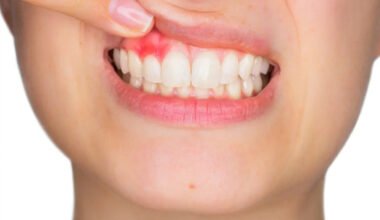
Bleeding gums are a widespread oral health concern that may signal mild irritation to serious medical issues. Noticing blood after brushing or flossing can be unsettling, but it’s essential to identify the underlying causes so appropriate action can be taken to restore oral health. If you’re experiencing bleeding gums, understanding what’s causing it and how to address it can help protect your oral and overall health.
Healthy gums play a crucial role in your body’s well-being. Ignoring bleeding can lead to more serious dental problems, including gum disease and tooth loss. Early awareness and treatment not only prevent discomfort but also help sustain a healthy mouth and confident smile in the long run.
Common Causes of Bleeding Gums
Gum tissue may bleed for several reasons, often traceable to everyday routines or simple oversights in oral hygiene. Here are the most frequent culprits:
- Gingivitis:The earliest form of gum disease, characterized by inflammation caused by plaque accumulation at the gumline. Left untreated, it can progress to more severe gum disease.
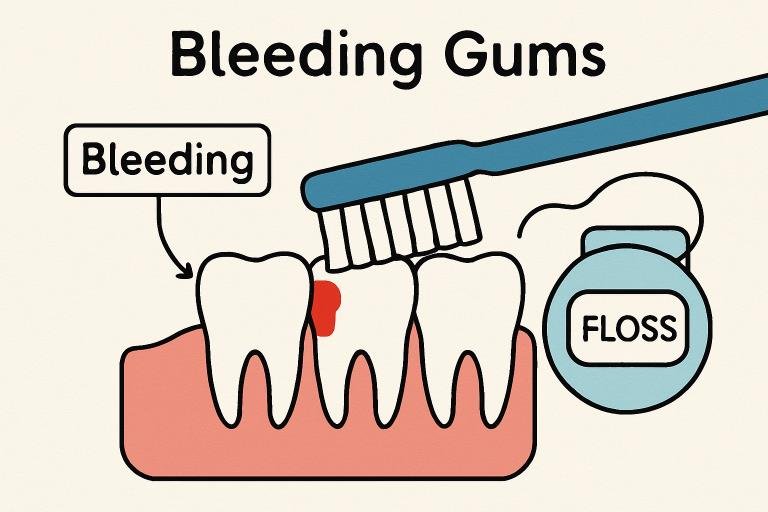
- Brushing Too Hard:Applying excessive pressure while brushing or using a hard-bristled toothbrush can traumatize delicate gum tissue, leading to bleeding.
- Flossing Habits:Initiating or abruptly changing flossing routines may lead to temporary bleeding as gums become accustomed to new stimulation.
- Medications:Certain medications, particularly blood thinners and some antihypertensive drugs, make gums more susceptible to bleeding.
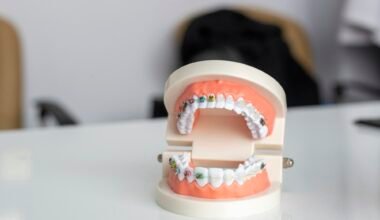
- Poor-Fitting Dental Appliances:Ill-fitting dentures, braces, or retainers may rub against gums, leading to irritation and bleeding.
Medical Conditions Linked to Bleeding Gums
Sometimes, bleeding gums point to underlying health conditions that require medical evaluation:
- Diabetes:Elevated blood sugar can impair the immune response, increasing the risk of gum infections and inflammation.
- Vitamin Deficiencies:Inadequate intake of vitamins C and K may result in gum bleeding, as these vitamins are crucial for tissue repair and blood clotting. According to Healthline, ensuring adequate nutrition can help reduce these issues.
- Leukemia:As a blood cancer, leukemia often disrupts platelet production, causing gums and other tissues to bleed more easily.
- Hormonal Changes:Fluctuations in hormone levels during pregnancy, menstruation, or menopause may make gum tissue more sensitive or swollen, increasing the likelihood of bleeding.
Effective Treatments for Bleeding Gums
Prompt action can stop and even reverse bleeding gums. Here are evidence-based approaches for treatment:
- Professional Dental Cleaning:Regular cleanings by a dental professional remove stubborn plaque and tartar, a critical step in maintaining gum health.
- Improved Oral Hygiene:Brushing with a soft-bristled toothbrush twice daily and flossing thoroughly reduces bacteria and inflammation. Following Colgate’s guidelines can further help maintain proper habits.
- Antibacterial Mouthwash:Using an antibacterial mouthwash can help suppress the growth of harmful bacteria and reduce gum inflammation.
- Saltwater Rinse:A mild saltwater solution (a teaspoon of salt in a cup of warm water) can offer relief by soothing inflamed gums and curbing bacterial growth.
- Oil Pulling:Swishing coconut or sesame oil in your mouth for up to 20 minutes may help decrease plaque and strengthen gum tissue. Although more studies are needed, some people find this practice helpful as part of their oral hygiene regimen.
Preventive Measures to Maintain Gum Health
Prevention remains the most effective defense against bleeding gums and related problems. Simple lifestyle choices can go a long way:
- Regular Dental Checkups:Visiting your dentist at least twice a year for exams and cleanings helps detect problems early and maintain optimal gum health.
- Balanced Diet:Include foods rich in vitamin C (such as citrus fruits, leafy greens, and peppers) and vitamin K (found in broccoli, spinach, and kale) to support gum health and repair.
- Avoid Smoking:Smoking and tobacco use significantly increase the risk and severity of gum disease and bleeding.
- Manage Stress:Chronic stress weakens immune function and can exacerbate existing oral health concerns, including gum bleeding. Techniques such as mindfulness, regular exercise, and adequate sleep may help.
When to Seek Professional Help
Minor gum bleeding may resolve with proper care, but it should never be ignored if it becomes frequent. Seek dental or medical professional help if:
- Bleeding lasts for more than two weeks, even after adopting improved hygiene practices.
- You notice other symptoms such as swollen or tender gums, persistent bad breath, or loose teeth.
- The bleeding is accompanied by significant pain or occurs spontaneously.
Early intervention is the best way to prevent progression to advanced gum disease or identify broader health concerns.
Taking proactive, informed steps toward oral hygiene is essential for protecting your gums and preventing issues that may lead to discomfort or long-term complications. Consistent preventive care, including proper brushing and flossing techniques, regular dental checkups, and a balanced diet, plays a critical role in maintaining strong, healthy gum tissue. Early attention to minor symptoms can stop problems from progressing into more serious conditions. If you experience persistent bleeding, tenderness, or swelling, seeking guidance from a qualified dental professional ensures accurate diagnosis, timely treatment, and peace of mind regarding your overall gum health.