The Art of the One-Off: Evolution of Custom Motorcycle Building
The world of motorcycles offers endless possibilities. But for many riders, a standard bike isn’t enough. They dream of a machine that is truly their own. A motorcycle that reflects their unique style and spirit.
This is where Custom Motorcycle Builders shine. These skilled artisans are more than just mechanics. They are artists, engineers, and visionaries. They take ordinary bikes and transform them into extraordinary, one-of-a-kind masterpieces. They shape metal, re-engineer engines, and craft every detail. The result is a bike that stands alone.
In this guide, we will take you on a journey through the exciting world of custom motorcycles. We will explore how this industry has grown and changed over time. We will dive into the different styles, from classic cafe racers to powerful choppers. We will also introduce you to some of the most influential builders. These are the people who set trends and build legends.
Choosing the right builder is key to making your dream ride a reality. We will walk you through the process of commissioning a custom motorcycle. We will also share important tips on what to consider when picking a builder. This includes finding Curated custom motorcycle builders who truly understand your vision.
Join us as we celebrate the passion, skill, and artistry behind every custom build. We will explore the craft that makes each custom motorcycle a true legend on two wheels.
A custom motorcycle builder is an artisan dedicated to changing a standard production motorcycle into a unique, personalized machine. This change goes far beyond bolt-on accessories; it involves deep mechanical, aesthetic, and sometimes structural modifications. These builders are often visionaries, blending engineering prowess with artistic sensibility to create a two-wheeled extension of a rider’s personality or a conceptual statement. Their work can range from subtle refinements to complete, ground-up fabrications, where only the engine might remain recognizable from the original donor bike.
The custom motorcycle scene was once a fairly niche space, largely confined to underground garages and specialized workshops. For decades, it was a subculture appreciated by a dedicated few who sought to personalize their rides, often driven by a desire for performance, a distinct aesthetic, or simply to stand apart from the factory-produced crowd.
However, the mid-aughts marked a massive influx of interest in one-off two-wheelers, dramatically shifting the landscape of the custom motorcycle industry. This surge in popularity wasn’t accidental; it was spurred on by the creation and success of now-eminent custom moto blogs like BikeEXIF, Return of the Cafe Racers, and Pipeburn. These platforms brought custom builds to a global audience, showcasing the incredible craftsmanship and diverse styles emerging from workshops worldwide. The widespread popularity in the bespoke bike space unsurprisingly led to an increased demand for custom motorcycles. This, in turn, resulted in the inception of dozens and dozens of custom motorcycle shops popping up across the globe, changing a niche hobby into a thriving global phenomenon.
Today, the industry is characterized by a fascinating blend of artistry and engineering. Builders carefully design and fabricate parts, often employing traditional metalworking techniques alongside modern technologies like CAD and 3D printing. They balance the aesthetic vision of the client with the practical demands of performance, functionality, and road legality. This evolution has cemented custom motorcycle building as a legitimate art form, where each machine tells a story and represents a unique collaboration between rider and builder.

Finding Your Style: From Choppers to Cafe Racers
The world of custom motorcycles is incredibly diverse, offering a spectrum of styles that cater to every aesthetic and riding preference. Understanding these distinct categories is crucial for any aspiring custom bike owner, as it helps articulate your vision to a potential builder. Each style carries its own history, design principles, and preferred donor bikes, reflecting different eras and riding philosophies.
Cafe Racers
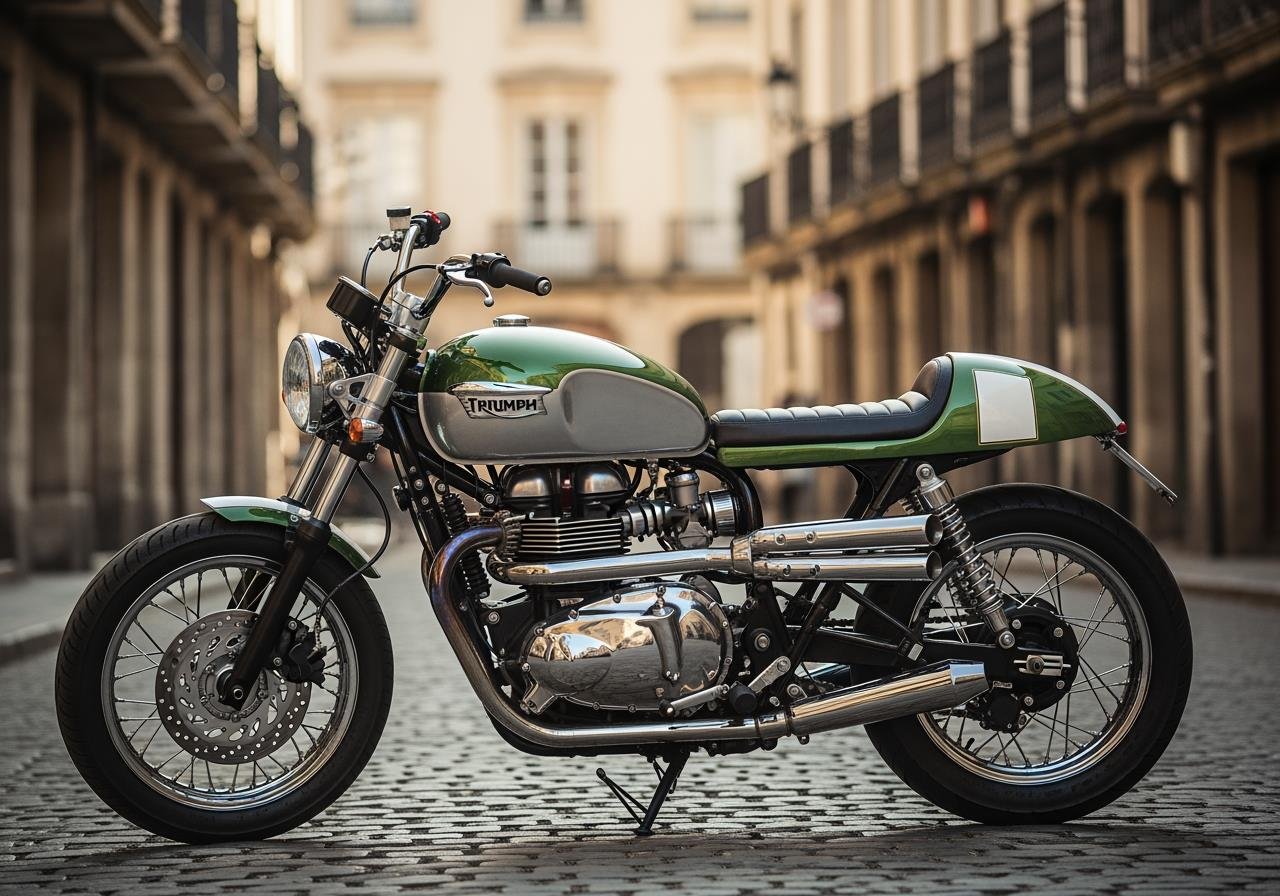
Originating in 1950s Britain, cafe racers were built for speed and handling, designed to quickly race from one cafe to another. Their defining characteristics include a stripped-down aesthetic, shedding all unnecessary weight and components. This focus on performance is evident in their aggressive riding posture, achieved through low-slung clip-on handlebars, rear-set footpegs, and a distinctive single-seat hump. Iconic donor bikes for cafe racers often include classic models from Triumph, BMW, and Honda, known for their robust engines and adaptable frames. Builders specializing in this style, such as Tamarit Motorcycles (with their focus on Triumph engines) or Kott Motorcycles (known for their BMW builds), excel at blending vintage charm with modern performance upgrades.
Choppers & Bobbers
These quintessential American custom styles emerged post-World War II, driven by veterans seeking to modify surplus military motorcycles. Choppers are instantly recognizable by their extended forks, often raked out to extreme angles, and minimalist, often hardtail, frames. The focus is on a dramatic, stretched-out appearance, frequently powered by large V-twin engines, with Harley-Davidson serving as the primary platform. Bobbers, a precursor to choppers, involve “bobbing” or shortening fenders and removing non-essential parts to create a lighter, more agile, and stripped-down look. Builders like those carrying on the legacy of Indian Larry, or shops like Lowbrow Customs, are synonymous with these iconic, rebellious styles, emphasizing raw power and a distinctive silhouette.
Scramblers & Trackers
Born from a desire for versatility and off-road capability, scramblers and trackers are designed to handle both paved roads and rough terrain. Scramblers feature high-mounted exhaust pipes, knobby tires, wide handlebars, and often a slightly raised suspension, giving them a rugged, adventurous look. Trackers, inspired by flat track racing, share a similar utilitarian aesthetic but are geared more towards speed and handling on dirt ovals, typically with a flatter seat and distinct number plates. Function often takes precedence over pure form in these builds. Popular donor bikes include Ducati, BMW, and Royal Enfield, which offer robust platforms suitable for change. Builders like Purpose Built Moto or Deus Ex Machina are adept at crafting machines that embody this spirit of adventure, blending classic lines with modern reliability for a truly versatile ride.
The World’s Most Influential Custom Motorcycle Builders
The custom motorcycle world is populated by extraordinary talents, individuals and teams whose vision, craftsmanship, and innovation have shaped the industry and inspired countless enthusiasts. Their signature styles and meticulous attention to detail set them apart, making them true legends in the field.
Roland Sands Design (RSD)
Based in Los Alamitos, California, Roland Sands Design (RSD) is a powerhouse in the custom motorcycle scene. Founded in 2005 by Roland Sands, a former championship-winning GP racer, the company embodies a unique blend of racing heritage and custom culture. RSD is renowned for its high-performance focus, seamlessly blending diverse styles, from cafe racers to choppers, often with a distinct performance-oriented edge. Their work frequently incorporates a modern interpretation of chopper influence, creating bikes that are both aggressive and refined. Beyond bespoke builds, RSD has grown into a comprehensive lifestyle brand, offering a wide range of custom parts, apparel, and accessories, allowing enthusiasts to infuse their own bikes with the RSD aesthetic.
Hazan Motorworks
Operating out of an 800-square-foot studio in Los Angeles’ Fashion District, Hazan Motorworks is the one-man operation of living legend Max Hazan. Hazan approaches motorcycle building as an artistic medium, stating, “I approach the process as if it were a painting or a sculpture, each part is the same as…” His signature style involves fully bespoke builds, often starting with 1:1 scale sketches that evolve into machines that blur the lines between motorcycle and sculpture. Hazan’s creations are known for their minimalist yet incredibly intricate designs, often featuring hand-fabricated components and unique engineering solutions that make each piece a true work of art.
Walt Siegl Motorcycles
Working from Harrisville, New Hampshire, Walt Siegl Motorcycles (WSM) stands out for its commitment to high-end, limited-series custom builds that possess a factory-level finish. Founded in 2007, WSM’s bikes are performance-oriented, designed not just for show but for exhilarating riding. Siegl’s expertise shines through in his choice of donor bikes, primarily focusing on Ducati and MV Agusta platforms, which he transforms into machines that could easily pass for top-tier production models. His dedication to engineering excellence and aesthetic purity has earned him a reputation for crafting some of the most refined and capable custom motorcycles on the planet.
Tamarit Motorcycles
Hailing from Spain, Tamarit Motorcycles has rapidly established itself as one of the largest motorcycle customization companies in the world, with a particular specialization in Triumph engines. In less than five years since its founding in 2015, Tamarit has completed over 140 builds, averaging more than 17 custom motorcycles annually. This impressive output, coupled with their global reach, has made them the main transformer of motorcycles with Triumph engines. Tamarit’s personalized client process, which includes bi-weekly progress reports and even invitations for clients to visit their facilities in Spain, underscores their commitment to a collaborative and transparent building experience. Their success highlights how a clear focus and excellent customer service can lead to rapid growth and global recognition in the custom bike world.
Commissioning Your Dream Ride: A Guide
Starting on the journey of commissioning a custom motorcycle is an exciting prospect, allowing you to bring a truly personal vision to life. However, it’s a process that requires careful consideration, clear communication, and a thorough understanding of what to expect.
The Commissioning Process
The path from a dream to a custom-built motorcycle typically involves several key stages:
- Initial Concept and Sketches:This is where your vision meets the builder’s expertise. You’ll discuss your ideas, preferred styles, intended use for the bike, and any specific features you desire. The builder will often translate these discussions into initial sketches or digital renderings, providing a visual representation of the proposed custom build. This collaborative phase is crucial for ensuring alignment.
- Budgeting and Quotes:Transparency regarding costs is paramount. The builder will provide a detailed quote, outlining labor, parts, materials, and any donor bike acquisition costs. It’s important to understand what influences the price, such as the complexity of the design, the rarity of components, and the builder’s reputation.
- Donor Bike Selection:You might provide your own motorcycle as a base, or the builder can source one for you. This decision often depends on the desired style and the availability of suitable models. Some builders specialize in specific brands or eras, making their expertise invaluable in selecting the perfect starting point.
- Fabrication and Assembly:This is the core of the build, where metal is shaped, engines are tuned, and components are carefully assembled. Reputable builders maintain open lines of communication during this phase, often providing regular updates, photos, or even bi-weekly reports, as seen with Tamarit Motorcycles, keeping you informed of the progress.
- Final Delivery:Once the build is complete, tested, and polished, your custom motorcycle is ready for handover. This often includes final adjustments, a detailed explanation of its features, and all necessary documentation for registration.
- Communication is Key:Throughout this entire process, consistent and clear communication between you and your builder is the most critical factor for a successful outcome.
Choosing the Right Builder
Selecting the right custom motorcycle builder is perhaps the most important decision you’ll make. It’s about finding an artist whose vision aligns with yours and whose craftsmanship meets your expectations.
- Reputation and Portfolio:Start by thoroughly researching a builder’s past work. Examine their portfolio for consistency in quality, attention to detail, and a style that resonates with you. Testimonials and reviews from previous clients can also offer valuable insights.
- Style Specialization:Many builders have a signature style or specialize in certain types of builds (e.g., cafe racers, choppers, scramblers). Ensure the builder’s expertise matches the aesthetic you’re aiming for. A builder known for minimalist cafe racers might not be the best fit for an elaborate chopper, and vice versa.
- Budget and Cost Factors:Custom builds are an investment. Costs can vary wildly based on the builder’s experience, the complexity of the design, the choice of donor bike, and the use of bespoke or off-the-shelf components. Be upfront about your budget, and discuss how different choices impact the final price. A simple customization might start at a few thousand dollars, while a fully bespoke, ground-up build from a renowned shop can easily exceed $50,000 or even $100,000 USD. Factors like labor hours, material costs (e.g., carbon fiber, exotic metals), and specialized engineering all influence the final figure.
- Location vs. Global Builders:While a local builder offers the convenience of in-person meetings and easier access, many top-tier builders operate globally. Consider whether proximity is essential or if the unique talent of a distant builder outweighs the logistical challenges.
- Independent Shops vs. Manufacturer Programs:Independent custom shops, like the many American builders featured on platforms such as Return of the Cafe Racers, offer a vast array of styles and often a more personal, artisan-driven experience. These shops are the backbone of the custom scene, known for their unique interpretations and willingness to push boundaries. In contrast, manufacturers like Harley-Davidson offer their own “custom bike builder” tools, allowing customers to select specific styles, colors, and accessories from a predefined menu. While this provides a streamlined and often more affordable way to personalize a new bike, it differs significantly from the bespoke, one-off creations of independent artisans. The choice depends on your desired level of uniqueness and involvement in the design process. For those seeking truly unique, artisan-crafted machines, exploring independent shops is key. For a comprehensive list of highly recommended independent builders, we suggest exploring Curated custom motorcycle builders for a diverse selection of talent.
Balancing Aesthetics and Functionality
A truly great custom motorcycle is more than just a beautiful object; it’s a machine meant to be ridden. Builders constantly grapple with balancing stunning aesthetics with practical performance and functionality.
- Performance Upgrades:Many custom builds incorporate engine tuning, suspension modifications, and braking system improvements to improve rideability. The goal is often to match the bike’s aggressive new look with equally potent performance.
- Ergonomic Concerns:While some show bikes prioritize form over comfort, a rideable custom must consider ergonomics. Handlebar position, seat height, and footpeg placement all contribute to the rider’s comfort and control.
- Rideability vs. Showpiece:Decide early on if your custom bike is primarily a showpiece or a daily rider. This influences design choices, material durability, and the extent of performance modifications.
- Builder’s Philosophy:A builder’s approach to this balance is crucial. Some, like Walt Siegl, are known for creating high-performance machines that look like art, while others might lean more heavily into pure visual impact.
- Material Choices:The selection of materials impacts both look and performance. Lightweight carbon fiber can improve speed and give a modern aesthetic, while hand-beaten aluminum offers a classic, artisanal touch.
The Future of Fabrication: Emerging Trends Toward 2026
The custom motorcycle landscape is dynamic, constantly evolving with new technologies, changing rider preferences, and a growing awareness of environmental impact. As we look toward 2026 and beyond, several key trends are shaping the future of fabrication and design.
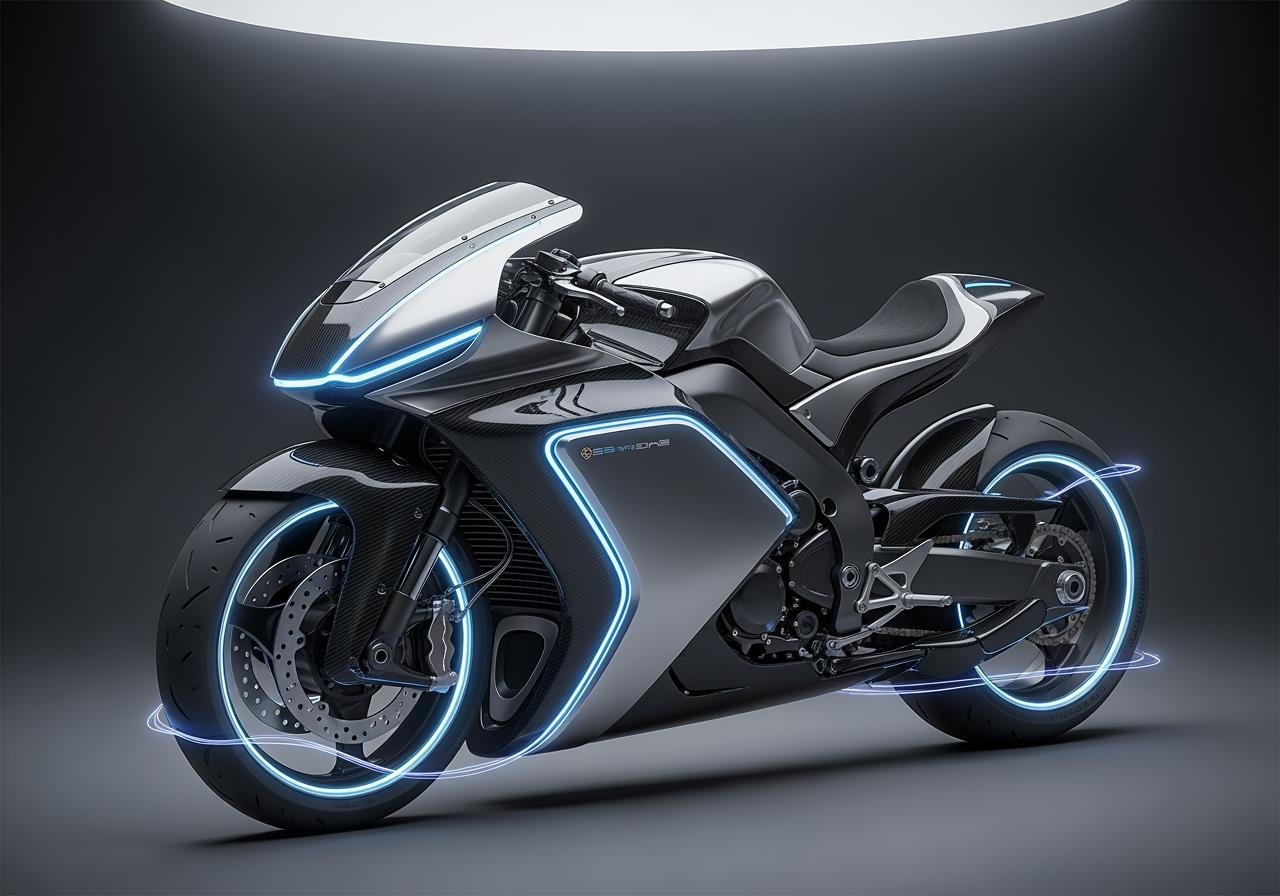
One of the most significant emerging trends is the integration of electric powertrains. As electric vehicle technology advances, custom builders are increasingly turning their attention to electric motorcycles as platforms for unique creations. Builders like Hugo Eccles, known for his work with Zero Motorcycles, are at the forefront of this movement, demonstrating that electric bikes can be just as aesthetically captivating and performance-driven as their internal combustion counterparts. The silent power delivery and instant torque of electric motors offer new design possibilities, allowing builders to reimagine traditional motorcycle forms without the constraints of fuel tanks and exhaust systems.
Alongside technological shifts, there’s a growing interest in sustainable materials. While not yet mainstream in the custom bike world, builders are exploring options like recycled metals, natural fibers, and more environmentally friendly finishes. This trend reflects a broader societal push towards sustainability and could see custom bikes incorporating innovative, eco-conscious components in the coming years.
3D printing and advanced manufacturing techniques are also becoming more prevalent. These technologies allow builders to create highly complex, lightweight, and custom-fit components that would be impossible or prohibitively expensive with traditional methods. From intricate brackets and fairings to ergonomic controls, 3D printing offers unprecedented design freedom and precision, enabling builders to push the boundaries of customization. Shops like Cohn Racers, with their carefully developed builds featuring numerous bespoke parts, often leverage advanced manufacturing to achieve their high standards.
The market is also seeing a diversification in how customs are acquired. While full, ground-up builds remain the pinnacle, bolt-on kits are gaining popularity. Companies like Brass Balls Cycles offer customizable phased bike kits, allowing enthusiasts to build their own custom machines with varying levels of involvement and budget. This democratizes customization, making it accessible to a wider audience. Similarly, shops like Hookie Co. have made a name for themselves by offering both full custom builds and high-quality bolt-on kits, catering to different client needs.
Finally, specific aesthetic genres continue to evolve. The “bob-fighter” genre, a unique blend of streetfighter aggression and bobber minimalism, pioneered by Ironwood Custom Motorcycles, exemplifies how builders are constantly innovating and combining existing styles to create new, distinct looks. These trends collectively point to a future where custom motorcycles are not only more diverse and technologically advanced but also more personalized and potentially more sustainable.
Conclusion
The world of custom motorcycles is a vibrant testament to individuality, craftsmanship, and the enduring spirit of two-wheeled freedom. From the speed-focused lines of a cafe racer to the radical stance of a chopper, and the adventurous spirit of a scrambler, there’s a custom style to match every rider’s soul. Builders like Roland Sands, Max Hazan, Walt Siegl, and Tamarit Motorcycles exemplify the pinnacle of this art form, pushing boundaries and changing metal into rolling masterpieces.
Commissioning a custom motorcycle is a deeply personal journey, a collaborative dance between your vision and a builder’s skill. It’s a process that demands careful consideration of style, budget, and the crucial balance between aesthetics and functionality. As the industry continues to evolve with electric powertrains, advanced manufacturing, and a growing emphasis on personalization, the future of custom fabrication promises even more exciting possibilities.
The journey of creating a one-off bike is as rewarding as the ride itself. It’s about owning a machine that is uniquely yours, a reflection of your passion and a statement on two wheels.
Stay up to date on the latest from the custom scene and connect with a community that shares your passion. Follow Support Bikers for future updates and event news.
Have you been in a wreck? Get help from the Wrecked Rider Fund! Submit your listing