Key Takeaways
- Classic car auctions reflect and influence collector preferences and overall market direction.
- Digitalization has made the auction process more accessible, changing the demographics of buyers and sellers.
- Success at auction requires thorough research and strategic participation from both buyers and sellers.
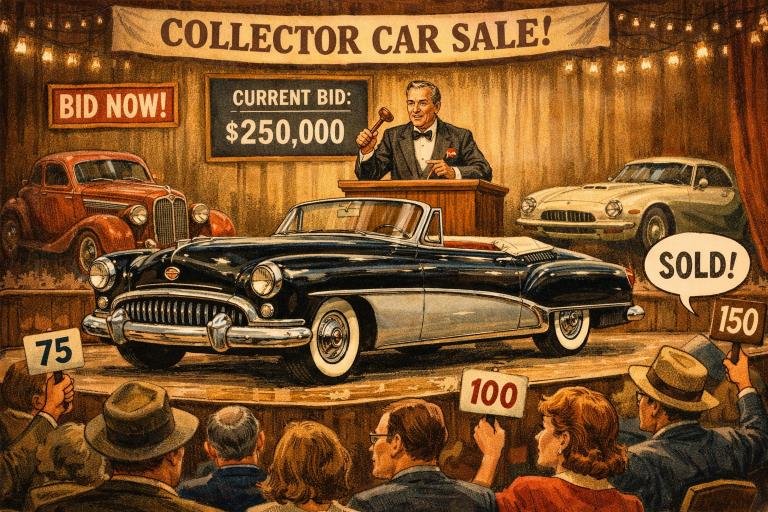
Classic car auctions are at the heart of the collector car world, serving as more than just marketplaces. These gatherings inspire connection among enthusiasts and shape trends in collecting, restoring, and investing in vehicles of bygone eras. Attending one of these classic car auctions can offer an immersive education in automotive history and provide a dramatic stage for some of the rarest cars ever built to change hands. As these auctions have evolved, their influence within the classic car community has only grown, guiding what vehicles become coveted collectibles and helping define which eras and models are currently in demand.
Classic car auctions provide buyers and sellers with a transparent venue to gauge interest and value for unique vehicles. The competitive environment, live bidding, and sometimes emotional atmosphere combine to create excitement and anticipation that cannot be easily replicated elsewhere. These events capture the imagination of new collectors and seasoned experts alike, playing a pivotal role in determining market trajectories and broader collector car culture.
The importance of these auctions extends well beyond the actual sales. By bringing together collections and attracting global audiences in person and, increasingly, online, they provide an ever-evolving snapshot of automotive trends. Auction houses, both traditional and digital, inform not only the value of individual cars but also that of entire vehicle categories, from pre-war classics to modern supercars. Publicized results, especially for world-record-setting sales, ripple outwards, impacting pricing and interest for similar vehicles all over the world.
The Evolution of Classic Car Auctions
The journey of classic car auctions mirrors the evolution of car culture itself. Where once these auctions were small-scale affairs hosted in country clubs or hotel ballrooms, today’s events draw international crowds and television coverage. The spectacle of auctions has made them not just selling events but part of collectors’ lifestyles, with pre-auction exhibitions, gala dinners, and collector panels. These events also showcase automotive history, often bringing together vehicles from disparate backgrounds for once-in-a-lifetime displays. Their growth in scope and attendance reflects the rising public fascination with automotive heritage.
Impact on Market Values
Classic car auctions play a crucial role in determining and publicizing the market values of vintage vehicles. Sales records set at major auctions regularly establish new reference points for values across the entire classic car market. For example, when a rare sports car like a Ferrari or Porsche fetches a multi-million-dollar price, the sale becomes a new benchmark and often affects prices for comparable makes and models worldwide. This was evident at Monterey Car Week, where record sales redefined expectations for both buyers and sellers. Even cars failing to meet reserve prices can provide insight into shifting demand, making auction results widely discussed and analyzed both online and among collector circles.
The Rise of Online Auctions
The digital transformation of classic car auctions has expanded their reach and accessibility. Online auction platforms like Bring a Trailer and Hemmings have created virtual venues that attract thousands of daily visitors, allowing enthusiasts to participate in auctions from anywhere. In 2022, Bring a Trailer alone reported auction sales totaling over $1.35 billion, making it a leading force in the market and reflecting explosive growth in web-based auction activity. Besides increasing convenience, these platforms provide extensive documentation, user forums, and community-driven feedback, giving bidders greater confidence and knowledge. Online auctions have helped democratize classic car collecting, opening the door to first-time buyers and younger enthusiasts who may not attend in-person events.
Buyer Demographics and Trends
The classic car auction landscape is undergoing a significant generational shift. While traditional buyers continue to seek pre-war and mid-century classics, younger collectors are now the fastest-growing segment in the market. Millennials and Gen Zers, many of whom grew up surrounded by ‘80s and ‘90s cars, increasingly choose modern classics for their collections. Vehicles such as Japanese sports cars, hot hatches, and early performance SUVs are now seen as legitimate collectibles, reflecting personal nostalgia and new tastes among emerging collectors. Auction houses that understand these demographic changes tailor their consignment lists and marketing outreach to attract the next generation of buyers, ensuring continued growth and market relevance.
Notable Auction Events
Some auction events have become headline attractions not only in the car world but across luxury and investment communities. Monterey Car Week in California, for example, is a weeklong celebration culminating in several high-profile auctions that draw collectors, celebrities, and journalists from around the globe. In 2022, Monterey’s auctions set a new record with collectible car sales surpassing $470 million, reflecting both the resilience and the vibrancy of the market. Other prestigious events, such as the Amelia Island Concours d’Elegance auctions or the Goodwood Revival, are known for featuring rare vehicles and setting trends that reverberate through the global hobby.
Strategies for Buyers and Sellers
A successful experience at a classic car auction hinges on preparation. For buyers, it is essential to research not only the make and model of interest but also past auction performance and to inspect vehicles thoroughly. Setting a firm budget, having clarity about maximum bids, and knowing the auction terms are all vital steps to prevent costly mistakes. Meanwhile, sellers should maximize their car’s appeal by providing detailed documentation, professional photography, and transparency about provenance and condition. Presenting a car in the best possible light, both visually and historically, can ignite competitive bidding and help achieve premium results. Networking at auctions can also yield fruitful connections for future acquisitions and sales.
The Future of Classic Car Auctions
The future of classic car auctions is closely tied to digital innovation and evolving buyer preferences. Online and hybrid auction formats are expected to grow, increasing participation and diversifying the collecting base. As the market welcomes a younger and broader demographic, the traditional definition of a “classic” will likely expand to include a wider range of cars from more recent decades. Environmental considerations and the rise of electric vehicles may also steer some aspects of collecting and auctions in new directions. As these developments unfold, classic car auctions will remain central to automotive culture, shaping how cars of the past are treasured, bought, and sold for years to come.