Water damage usually doesn’t begin with drama. It creeps. A slow pipe leak under a sink, barely noticed, then the cabinet swells, and the smell turns dull and sour. Or a roof seam loosens—rain gets in, sits in insulation, spreads sideways before dropping. People expect floods; most damage is quieter. Drips, seepage, pressure where it shouldn’t be. Plumbing joints fail from age or bad installation, seals dry out, and hoses behind washing machines crack without warning. Appliances do this often—dishwashers, water heaters, ice maker lines—thin tubing, constant pressure, one weak point. Then there’s drainage. Gutters clog, water overflows, runs down walls, and pools near the foundation. Soil stays wet; eventually, it pushes inward. Basements take the hit.
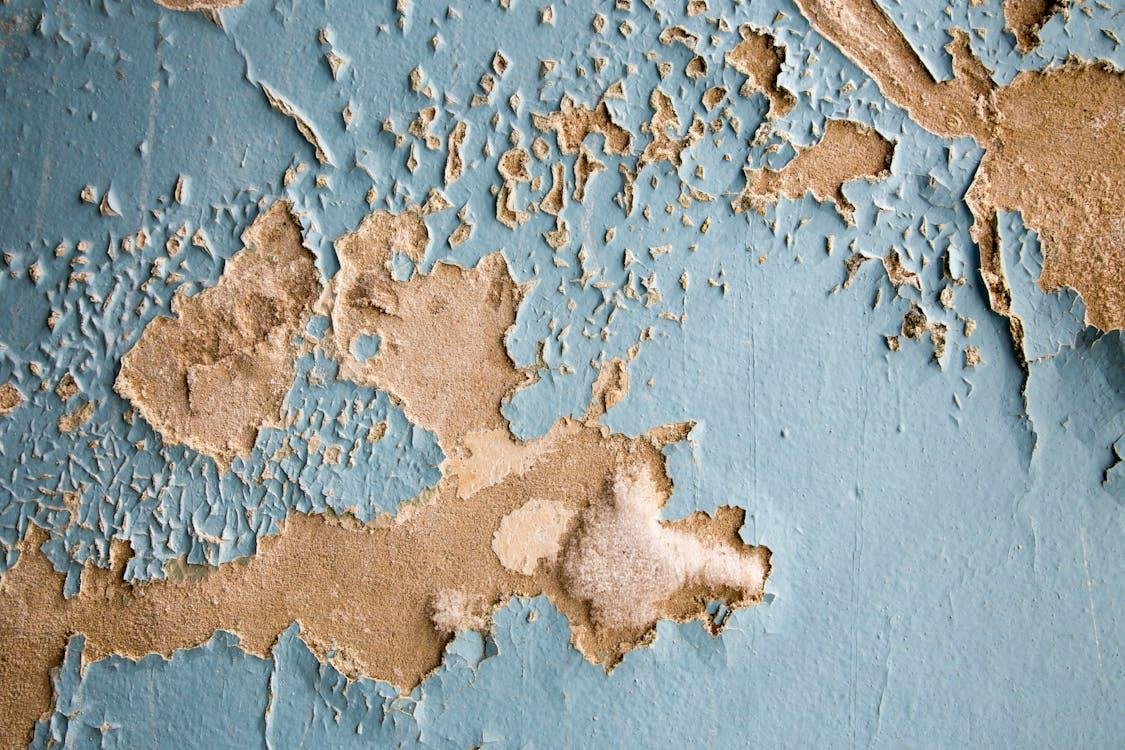
And humidity. Not dramatic, but it feeds mold, warps wood, and peels paint. Poor ventilation traps moisture in bathrooms, attics, and crawl spaces. Over time, it adds up.
What It Looks Like When It Spreads
Signs show uneven. A stain that grows then stops. Paint bubbles. Floors feel soft underfoot—subfloor already compromised. Sometimes you hear it first, a faint drip inside a wall. Or nothing at all until a section gives way. By then, it’s not surface-level. Water moves along paths of least resistance, behind drywall, under tile, through framing. Capillary action pulls the material up, so the damage appears higher than the source. That confuses people. They fix the spot, not the cause.
And the smell. Musty, persistent. Means microbial growth has already started.
Some cases spike fast. Burst pipes in winter—frozen lines expand, split, then thaw and release. Minutes matter there. Shutoff valve, immediately. If it’s not accessible, the main gets closed. Delay turns a contained problem into a full-room loss.
Somewhere after the early stage—once you’ve seen how quickly it escalates—people start looking for localized services, even look up water damage Coon Rapids just to understand response options nearby. It’s not overthinking. It’s a reaction to how fast small issues turn expensive.
Causes That Keep Coming Back
Some problems repeat because no one goes after the source, just the symptom. Water shows up, gets wiped, maybe patched over, then forgotten until it comes back in the same place—or close enough. Poor grading is one of those stubborn ones. Ground slopes the wrong way, barely noticeable unless you’re looking for it. Rain falls, and it has nowhere to go except toward the foundation. It seeps in, slowly, again later, again next season. The fix is not complicated—reshape the slope, move soil, and create a path away from the house. But it’s labor, not urgent-looking work, so it sits undone. The cycle continues.
Downspouts—same pattern. Installed too short, or they were fine once but shifted, got knocked, or clogged. Water exits the gutter and then drops right next to the structure, soaking the same patch of ground every storm. People see the puddle, ignore it. Months later, basement dampness, maybe a crack widening. Extending a downspout is simple, cheap, even. Yet it’s often skipped because it doesn’t feel like a “real repair.” It is.
Roof issues get handled halfway more than they get fixed. A shingle goes missing, and someone replaces just that piece. Looks fine from below. But flashing—thin metal that actually directs water—is already compromised. Water finds the gap again. Next storm, same leak, maybe worse. Caulk gets used where proper sealing or replacement is needed. Caulk feels like a solution because it’s visible and immediate. But it breaks down fast under the sun, heat, and cold. It’s not structural. Temporary fixes stacked on temporary fixes; eventually, none of them hold.
Plumbing pressure is another quiet repeat offender. Too high, often unnoticed. Pipes don’t burst immediately; they weaken, joints loosen, and seals wear faster than expected. Small leaks start, intermittent at first. Then constant. A pressure regulator solves most of it, but many homes either don’t have one or it’s set wrong. No one checks. Damage builds slowly—hard to trace back to pressure unless you’re paying attention.
And then there’s habit. Ignoring early signs because they seem minor. A stain that dries and disappears, a smell that fades, a damp spot that doesn’t grow—until it does. The repetition isn’t random. It’s built from small dismissals. One after another.
When It’s Bigger Than It Looks
Sometimes what you see is the smallest part of it. A patch on the ceiling, maybe a foot wide, light brown, looks contained. But above it—insulation soaked across a wider span, wood framing holding moisture longer than expected. The stain is just where it finally showed. Behind walls, it spreads sideways, not straight down. That part gets missed.
Drywall hides damage well. It softens slowly and holds shape longer than it should. You press it, it feels fine—until one day it doesn’t. By then, internal layers are already compromised. Floors do something similar. A slight warp, barely visible at first, then the boards start separating. The subfloor beneath has been wet longer than anyone realized.
That’s where professional help starts to make sense. Not always needed, but often when the extent is unclear. They don’t just dry surfaces; they measure moisture inside materials. Numbers, not guesses. They set up air movers, dehumidifiers placed in specific ways—airflow matters more than people think. Sometimes sections are opened up deliberately. Feels aggressive, but it exposes hidden moisture, so it can actually be removed. Otherwise, it stays trapped.
They track progress, too. Not just “it feels dry,” but readings over time. That reduces the risk of closing everything back up while it’s still damp inside because that’s what leads to mold later. Not immediate, but weeks down the line. Then the repair has to be undone, redone.
Costs are higher upfront. That part turns people away. But rework costs more—time, materials, frustration. Doing it twice is worse than doing it right once. Still, not every situation needs that level of response. Small, contained leaks, caught early, can be handled without full intervention. Basic drying, proper repair, and attention to detail. It works when the damage is truly limited.
Repair comes last. Replace removed materials, and seal properly this time. Paint, refinish, restore. But also adjust what failed. Add ventilation, fix drainage, and upgrade old lines. Otherwise, the cycle repeats.
And it will, if ignored.