Key Takeaways
- No tooth-replacement option is automatically the best for everyone.
- Implants, bridges, and dentures use different support systems and create different day-to-day experiences.
- One missing tooth, several missing molars, and a full arch of missing teeth may call for very different plans.
- Healthy neighboring teeth, gum health, jawbone condition, bite forces, budget, and timeline all matter.
- A written estimate should cover the full sequence of care, not only the final tooth or appliance.
Choosing how to replace missing teeth is a personal decision that can affect eating, speaking, confidence, daily cleaning, and future dental care. For people throughout Beaverton, Tualatin, and Portland, Oregon, the best choice depends on the location and number of missing teeth, the health of the gums and jawbone, the condition of nearby teeth, and individual priorities for treatment time and cost.
Periodontal Associates provides dental implants for missing teeth for patients in Beaverton, Tualatin, and Portland, Oregon. Its implant-focused treatment information explains options for single-tooth, multiple-tooth, and full-mouth replacement, along with planning considerations, including digital imaging, bone regeneration, temporary teeth, and ongoing implant maintenance. As a periodontal and implant practice, Periodontal Associates can evaluate the gum and bone foundation that may influence whether an implant-based solution is appropriate.
Why Replacing Missing Teeth Matters
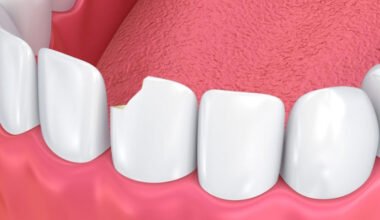
A missing tooth can change more than a smile. Depending on its location, it may make chewing less efficient, affect speech, or alter how the upper and lower teeth meet. Nearby teeth can also shift or tilt toward an open space over time. A missing back tooth may not be visible in photos, for example, but it can still make it harder to chew comfortably on that side.
Replacement is not a one-size-fits-all process. A complete exam helps determine whether replacing a tooth is recommended now, whether treatment can wait, and which options are a reasonable fit for the situation. The American Dental Association encourages patients to undergo a comprehensive examination and discuss alternatives before proceeding with complex care.
How Each Option Works
The simplest way to compare treatment choices is to consider what supports the replacement tooth or teeth.
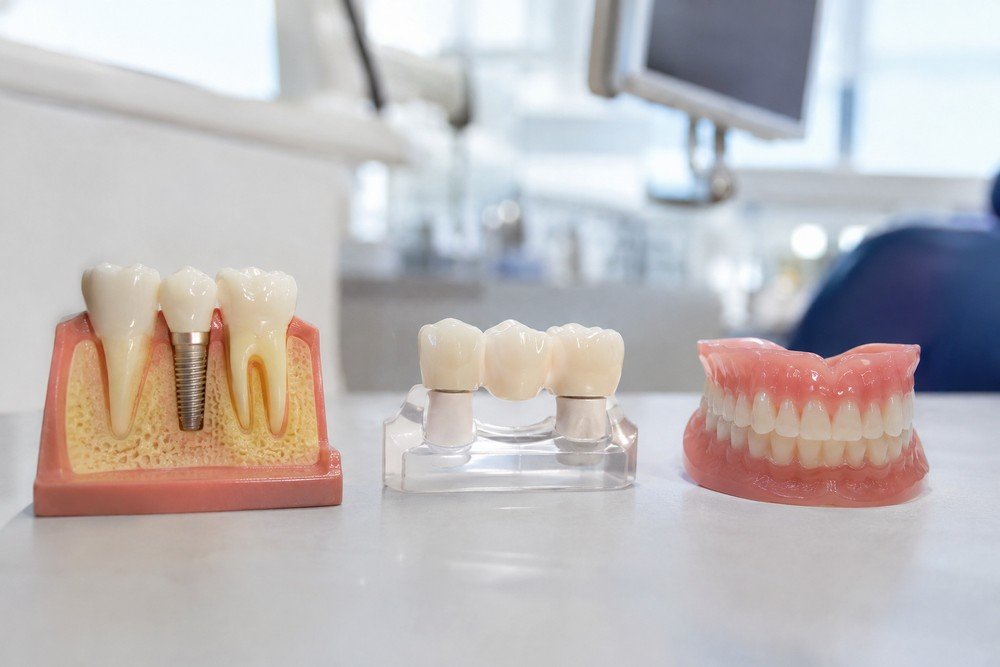
- Dental implants use a post placed in the jawbone to support a crown, bridge, or denture.
- Traditional bridges use neighboring natural teeth, or sometimes implants, to support replacement teeth.
- Partial and full dentures rest over the gums and are removable.
- Implant-supported dentures connect to implants for added retention and stability. Some are removable by the patient, while others are fixed in place.
A Quick Comparison
- Single dental implant: Usually replaces one tooth without relying on adjacent teeth. It involves surgery and a healing period.
- Traditional bridge: Provides a fixed replacement and may be completed more quickly than an implant. Supporting teeth generally need crowns or preparation.
- Partial denture: Replaces several missing teeth without implant surgery. It is removable and may require an adjustment period.
- Full denture: Replaces an entire upper or lower arch. Its fit can change as gum tissue and the jaw ridge change.
- Implant-supported denture: Offers more stability than a conventional denture but requires implant placement, cleaning, and professional follow-up.
Dental Implants
An implant restoration typically consists of three parts: the implant post, an abutment that connects the components, and a crown, bridge, or larger prosthesis. Because the implant is supported within the jawbone, a single implant can often replace a missing tooth without reshaping healthy neighboring teeth.
Implants may be used for one missing tooth, several teeth in a row, or a full arch. Planning typically includes an assessment of gum health, available bone, medical history, bite forces, and home-care habits. Some patients need treatment for gum disease, a bone graft, or time to heal after an extraction before implants can be placed. A same-day temporary tooth, when appropriate, is not necessarily the same as receiving the final restoration.
Dental Bridges
A traditional bridge uses crowns on the teeth beside a gap to hold one or more replacement teeth between them. This may be a practical option when adjacent teeth already need crowns, when avoiding implant surgery is important, or when a shorter treatment timeline is a priority.
The tradeoff is that supporting teeth are permanently prepared. Bridges also need careful cleaning underneath the replacement tooth. A dentist may recommend floss threaders, interdental brushes, or other tools to help clean areas that ordinary floss cannot reach easily. The health of the supporting teeth, the bite, fit, and consistent home care all influence long-term performance.
Dentures And Implant-Supported Dentures
Partial dentures replace several missing teeth, while full dentures replace an entire arch. They can be valuable choices when many teeth are absent, when surgery is not preferred, or when implant treatment is not currently suitable. Modern dentures can improve appearance and chewing, but they remain appliances that require daily cleaning and periodic professional evaluation.
People adjusting to dentures may need time to speak comfortably, eat certain foods, and manage movement during meals. Relines, repairs, or replacement may eventually be needed as oral tissues change. Implant-supported dentures can reduce movement by attaching the denture to implants, creating an option between a conventional removable denture and a fixed full-arch restoration.
Factors That Shape The Decision
Number, Location, And Condition Of Teeth
A front tooth affects appearance differently than a back molar, and a single gap calls for different planning than widespread tooth loss. The health of nearby teeth also matters. A bridge may be a logical option when neighboring teeth need major restoration, while an implant may help preserve healthy, intact adjacent teeth.
Gums, Bone, And Daily Habits
Active gum disease and bone loss can affect implant planning, but they do not automatically rule implants out. Smoking, diabetes control, teeth grinding, medication use, oral hygiene, and the ability to attend follow-up visits may also influence a recommendation. These details should be reviewed individually rather than treated as automatic disqualifiers.
Fixed Or Removable Preference
Some people value a restoration that remains in place, while others prefer an appliance they can remove for cleaning. Discussing this preference early can make the treatment conversation more focused.
Cost And Timeline Questions
Advertised prices do not always include every stage of treatment. Ask for an itemized estimate that addresses examinations and imaging, extractions, grafting, implant placement, temporary teeth, abutments, final crowns or bridges, denture materials, sedation when applicable, follow-up visits, and likely maintenance.
A bridge or denture is often delivered sooner than a completed implant restoration, whereas implants may require surgical placement and healing. The lowest initial price is not always the lowest long-term expense, so compare the entire treatment sequence and expected maintenance needs.
A Practical Way To Move Forward
Replacing missing teeth is a health decision, not simply a product comparison. A useful consultation should review gums, jawbone, remaining teeth, bite, budget, timeline, and preferences for fixed or removable care. The goal is a treatment plan that clearly explains the recommended approach and the reasonable alternatives for your smile.