Key Takeaways
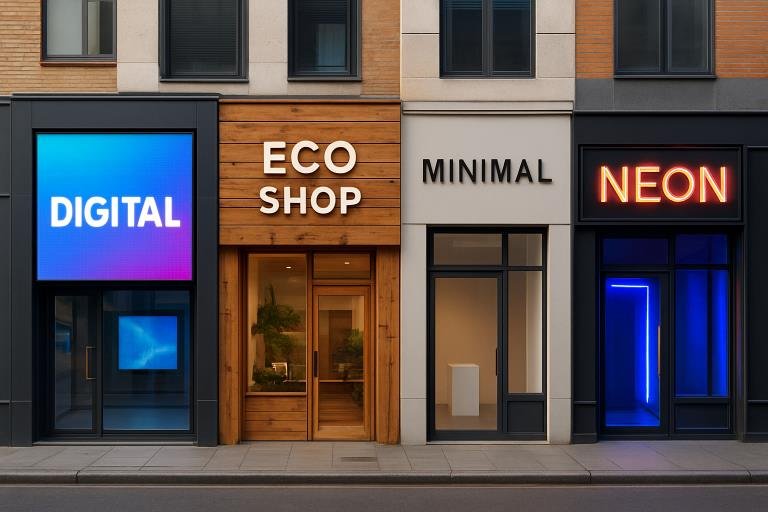
- Digital and interactive signage is on the rise, enriching customer engagement.
- Sustainability drives the use of eco-friendly and recycled materials.
- Minimalist design and bold typography enhance legibility.
- Personalized signage projects a unique brand image.
- Advanced LED lighting increases visibility and efficiency.
Custom signage is rapidly evolving as businesses seek new ways to make an impression in a highly visual, competitive world. In 2026, companies must blend creativity and technology to create signs that not only capture attention but also reinforce brand identity and connect with customers. Contemporary consumers expect much more than just information. Interactive and digital elements, eco-friendly materials, and the resurgence of classic aesthetics are just some of the major trends shaping the future of signage. Businesses that embrace these directions will find powerful new ways to attract attention, elevate brand loyalty, and signal their commitment to innovation and sustainability.
Digital and Interactive Signage
The digital transformation in signage reaches new heights in 2026, as interactive displays become standard across retail, hospitality, and corporate environments. These advanced systems deliver dynamic content that responds to customer inputs and real-time data, allowing brands to present changing menus, limited-time promotions, social media feeds, or even personalized greetings. While digital screens enhance engagement, they are often strategically paired with custom exterior business signs to create a cohesive brand presence that connects outdoor visibility with immersive in-store experiences. One widely cited example is Little Caesars, which completed a global rollout of digital menu boards, significantly improving customer interaction and operational efficiency.
Touchscreens and QR codes further elevate this shift by giving customers instant access to information, loyalty programs, and detailed product insights. By blending static branding with interactive technology, businesses transform traditional signage into responsive communication tools that prioritize both convenience and meaningful engagement.
Sustainable and Eco-Friendly Materials
As sustainability claims a more prominent space in corporate strategies, custom signage is increasingly produced using recycled metals, reclaimed wood, or biodegradable plastics. Businesses recognize that environmentally conscious signage serves a dual purpose: it effectively projects environmental responsibility and appeals to consumers who prioritize eco-friendly choices in their purchasing decisions. Initiatives like using solar-powered signs and reducing the use of chemical-heavy paints and finishes are part of a broader shift toward sustainability.
Minimalist and Clean Designs
Minimalist design is a key trend in 2026 signage, using uncluttered layouts, clean lines, and easily legible fonts to cut through the noise of urban and retail environments. Bold, simple typography combined with high-contrast color schemes ensures that viewers can absorb information instantly. Minimalism not only clarifies brand messaging but also reflects modernity and efficiency in both aesthetics and business values. This approach is prevalent in fast-casual restaurants, boutique retail stores, and professional offices that wish to project sophistication and clarity.
Personalization and Customization
Brands are turning to personalized, highly customized signs to stand out from competitors and build stronger brand recall. Custom elements, such as unique color palettes, proprietary fonts, and creative shapes, project individuality and authenticity. Custom signage reinforces brand consistency across digital and physical touchpoints, forging a more memorable connection with customers.
Advancements in Lighting Technology
Lighting advancements, particularly with LEDs, are revolutionizing the look, lifespan, and energy efficiency of custom signage. LEDs can be programmed to change colors, display timed messages, and animate, making them ideal for catching the eye in busy settings. New developments in low-energy consumption technology help businesses meet their sustainability goals, while smart controls make it easier to maintain consistent visual standards across locations. Improved weather resistance and lower operational costs also make LED lighting a wise investment for outdoor and indoor business signs.
Integration of Textures and Tactile Elements
Dimensional and tactile elements are being incorporated into custom signage to deliver unique physical experiences. Raised lettering, layered backgrounds, and the fusion of metals with natural materials result in signs that invite interaction and signal high craftsmanship. Tactile signage is especially valuable for accessibility and compliance, while also offering an upscale, creative appeal for all customer segments.
Retro and Vintage Aesthetics
Retro and vintage-inspired signs are making a strong comeback in 2026, tapping into nostalgia and emotional storytelling. These signs use classic fonts, color palettes, and design elements associated with eras like mid-century modern or industrial Americana. This trend makes signage more memorable while evoking trust, familiarity, and a sense of heritage. Marquee-style bulbs, neon looks, and weathered wood finishes are among the design choices appearing in both retail and hospitality venues.
Conclusion
Custom signage in 2026 is defined by a blend of digital innovation, environmental responsibility, minimalist design, and creative personalization. As businesses adapt to these emerging trends, they gain new opportunities to elevate brand awareness and create more meaningful connections with their audiences. Businesses seeking a competitive edge in their markets should embrace these advances, ensuring their signage reflects both contemporary relevance and a lasting brand impression.