Key Takeaways
- Small cracks and stains are not always serious, but changes over time deserve attention.
- Water entry can lead to damaged finishes, mold-friendly damp conditions, corrosion, and concrete deterioration.
- Photos, measurements, dates, and repair records make investigations more effective.
- Loose materials, exposed reinforcement, active leaks, and spreading cracks should be assessed promptly.
- For Sydney strata buildings, coordinated reporting helps owners corporations plan safer, more cost-effective work.
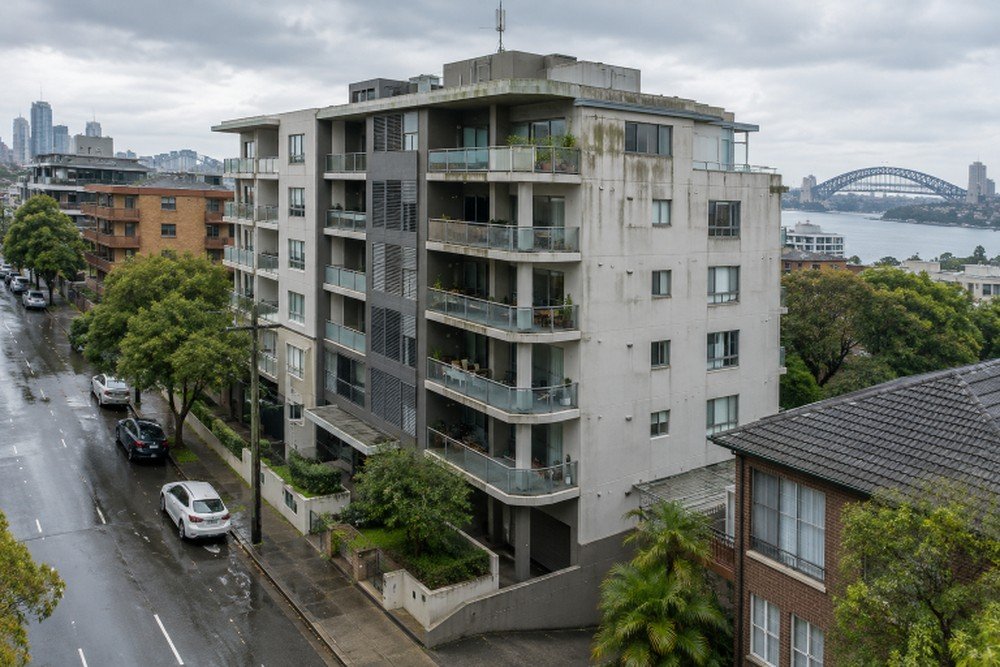
Sydney buildings contend with coastal air, seasonal downpours, intense sun, wind-driven rain, and the normal movement that accompanies changing temperatures and busy urban environments. Those conditions can expose weak points around roofs, balconies, façades, windows, drainage systems, and concrete elements. Early investigation is often far less disruptive than waiting until a visible defect becomes a major repair project.
When warning signs appear, property owners and strata committees need to focus on the cause rather than the surface symptom. Professional remedial building solutions can involve investigating water paths, concrete deterioration, failed finishes, and access risks before a repair scope is decided.
Why Building Defects Need Early Attention
A visible mark may be cosmetic, but it can also be the first clue to moisture, material deterioration, movement, poor drainage, or a failed connection. Repainting a recurring ceiling stain, for example, only conceals the symptom if water is still entering from a roof, balcony, pipe, or wall junction. A proper response starts by identifying the source and checking whether the defect is stable or progressing.
Common Warning Signs to Watch
Look for changes rather than judging a single mark in isolation. Cracking, rising damp, wall movement, roof faults, corrosion, and safety hazards are among the issues a building inspection may identify, as explained in NSW guidance on significant building defects and property inspections.
- Cracks that widen, lengthen, or return after patching.
- Diagonal or stepped cracks near doors, windows, and wall openings.
- Rust-coloured staining on concrete, masonry, or painted surfaces.
- Bubbling paint, peeling coatings, damp patches, or musty odors.
- Loose tiles, render, cladding, balustrades, or balcony finishes.
- Pooling water around walls, rooftops, balconies, driveways, or basement entries.
- Doors and windows that suddenly stick, bind, or no longer close properly.
How to Read Cracks
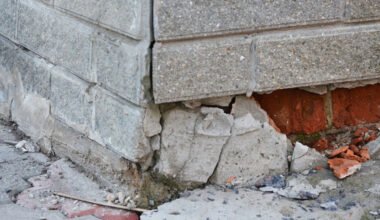
Cracks need context. Their location, direction, width, depth, and whether they change all matter. A fine crack in paint or plaster may be a finish issue, while a crack through structural concrete, a load-bearing wall, or a balcony slab needs more careful assessment.
Details Worth Recording
- Location: Note whether it is in a wall, ceiling, slab, beam, façade, retaining wall, or balcony.
- Pattern: Record whether it is vertical, horizontal, diagonal, stepped, irregular, isolated, or repeated.
- Movement: Check whether the crack opens, closes, spreads, or reappears after repair.
- Related symptoms: Note dampness, rust staining, bulging, loose material, or nearby drainage problems.
Why Water Creates Bigger Problems
Water can enter through deteriorated sealants, damaged membranes, blocked outlets, roof defects, cracks, and poorly detailed window or wall junctions. In Sydney, rain can be driven sideways by wind, which makes exposed façades and balcony edges important inspection points. Repeated wetting can damage finishes and may allow moisture to reach materials that should remain protected.
Common trouble spots include balconies and terraces, bathrooms, roof edges, parapets, basement car parks, external walls, and window junctions. Painting over a damp surface is rarely a lasting fix because the water path may remain active behind the coating.
Spalling Concrete and Reinforcement Corrosion
Concrete spalling occurs when sections of concrete crack, flake, or break away from the surface. One possible cause is corrosion of embedded steel reinforcement after moisture reaches it. Corroding steel can expand and place pressure on the surrounding concrete, leading to cracking and detached pieces.
Signs That May Point to Spalling
- Rust streaks or brown staining on concrete.
- Cracks that follow a straight line consistent with reinforcement below.
- Bulging, drummy, flaking, or broken concrete.
- Exposed steel reinforcement or loose concrete fragments.
Because falling material can create a safety risk, damaged concrete above walkways, entries, parking areas, or neighboring property should be treated as a priority.
What a Proper Inspection Should Cover
Photographs are valuable, but they cannot confirm the severity or cause of a structural or waterproofing concern on their own. A sound investigation commonly includes:
- A visual review of defect locations, dimensions, patterns, and surrounding conditions.
- A review of past leaks, repairs, alterations, complaints, and maintenance records.
- Tracing potential water entry points, drainage paths, and areas where moisture may collect.
- Assessment of relevant materials, including concrete, coatings, sealants, joints, membranes, masonry, and finishes.
- Targeted testing where the cause is uncertain or hidden conditions need to be checked.
- A written repair scope that identifies priorities, likely causes, recommended work, and follow-up needs.
How to Document a Building Defect
Good records help distinguish a stable defect from one that is worsening. Create a simple defect log using the following fields:
- Date observed and exact location.
- Photographs from a distance and close-up, with a ruler for scale where practical.
- Description of the symptom, including crack pattern, staining, dampness, or loose material.
- Weather conditions and whether the issue changed after rain.
- Action taken, contractor details, reports, invoices, and warranty information.
- Next review date and the person responsible for monitoring it.
How to Set Repair Priorities
- Urgent: Falling materials, exposed reinforcement, major movement, unsafe balustrades, or a condition that could harm people.
- High: Active water entry, spreading cracks, significant dampness, loose external finishes, or deteriorating balcony areas.
- Routine: Stable cosmetic cracking, minor paint failure, or surface wear with no evidence of progression.
- Monitor: Small defects that have been assessed, recorded, and scheduled for review.
Special Considerations for Strata and Commercial Properties
Shared buildings need a coordinated process because a defect in one lot can originate in common property, an adjoining lot, or a shared service. In NSW strata schemes, owners corporations are generally responsible for maintaining and repairing common property, while lot owners are generally responsible for their own property, subject to the scheme’s circumstances and by-laws. NSW information on strata repairs and maintenance responsibilities also highlights the importance of notifying the strata manager or committee when common property may be involved.
Before seeking prices, prepare a written scope that explains the suspected cause, access requirements, repair area, materials, safety controls, and expected warranty or follow-up. Comparing quotes only by price can overlook major differences in what is included.
A Practical Maintenance Plan
- Complete a scheduled walk-through of internal, external, roof, balcony, and basement areas.
- Check drains, outlets, joints, sealants, roof edges, exposed concrete, and previously repaired areas.
- Clear drainage paths before periods of heavy rain.
- Update the defect log with dated photos and observations.
- Arrange professional assessment when defects spread, leak, corrode, or affect safety.
- Set aside funds for planned maintenance rather than relying solely on emergency repairs.
Conclusion
Early attention is more useful than a quick cosmetic patch. In Sydney, a crack, stain, or loose finish may be minor, but it should be investigated when it changes, spreads, returns after repair, or appears alongside dampness and corrosion. Careful records, sensible repair priorities, and the right professional assessment support safer, better-informed property decisions.