Home problems rarely wait for a convenient moment. They show up before guests arrive, during a holiday weekend, or right when you are heading out the door. Many homeowners say the stress does not come from the damage alone, but from the timing. You already juggle work, family, and daily tasks. A sudden leak, outage, or breakdown adds pressure you did not plan for. The good news is that most home disasters follow patterns. They give warning signs.
In this article, we will look at common home emergencies, why they feel so disruptive, and what you can do to stay in control when they happen.
When the Water Heater Fails Before a Busy Morning
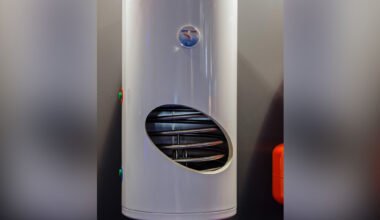
Water heaters often fail without much warning. You may notice lukewarm water, odd noises, or small puddles near the base. Many people ignore these signs until the tank leaks overnight. A failed water heater does more than interrupt your shower. It can flood nearby storage areas and damage drywall. If you see moisture around the unit, turn off the power supply and the water line connected to it. Do not wait for the leak to grow. Regular flushing and basic inspection once a year reduce buildup inside the tank.
When a Pipe Bursts After Midnight
A burst pipe often happens at night when water pressure shifts and temperatures drop. Within minutes, water can soak into drywall, flooring, and furniture. Your first move should be to shut off the main water valve. Every homeowner should know where that valve sits. After that, turn off the power in the affected areas if water spreads near outlets. Remove rugs and small items to limit damage. Even if the leak looks small, hidden moisture can travel behind walls. Quick action and professional emergency plumbing repair help prevent long-term structural issues and mold growth.
When the Toilet Overflows During a Gathering
An overflowing toilet feels stressful, especially when guests are in your home. Most overflows start with a clog caused by too much paper or non-flushable items. If water rises, remove the tank lid and press the flapper down to stop more water from entering the bowl. Then turn off the shutoff valve near the base. Avoid flushing again until you clear the blockage. A plunger usually solves simple clogs, but repeated issues may signal a deeper drain problem. Ignoring frequent backups can lead to pipe damage or sewer line trouble. Quick cleanup and proper repair protect both hygiene and plumbing health.
When the Roof Leaks During Heavy Rain
Roof leaks often stay hidden until a strong storm hits. Water can slip under damaged shingles and travel along beams before you see a stain on the ceiling. By the time you notice a drip, moisture may already sit inside insulation and walls. If rain enters your home, place a container under the leak and move nearby furniture. Avoid climbing onto a wet roof. Instead, check the attic if it is safe and look for visible entry points. After the storm passes, schedule a roof inspection. Small cracks or loose flashing cause many leaks. Fixing them early prevents larger structural repairs later.
When the Power Goes Out Before an Important Event
Power outages feel more frustrating when you have plans. Storms, grid issues, or internal wiring problems can cut electricity without warning. First, check whether the outage affects only your home. Look at nearby houses or call your utility provider. If the issue stays inside your property, inspect your breaker panel. Reset any tripped breakers once. Do not force switches that will not stay in place. Keep flashlights in easy-to-find spots and avoid using candles to reduce fire risk. Unplug major appliances to protect them from surge damage when power returns. Preparing in advance makes sudden outages easier to manage.
When the Air Conditioner Stops on the Hottest Day
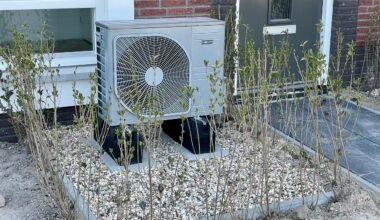
Air conditioners often fail during extreme heat because the system runs longer and harder than usual. Dirty filters, blocked outdoor units, or low refrigerant levels can strain the system. If your AC stops working, first check the thermostat settings and replace the batteries if needed. Then inspect the air filters. Moreover, make sure the outdoor condenser unit stays clear of debris and plants. If the system still does not cool, avoid repeated restarts, which can damage components. Schedule a professional inspection to check electrical parts and refrigerant levels safely and properly.
When the Basement Floods After Heavy Rain
Basement flooding often happens after steady rain or rapid snowmelt. Water can enter through foundation cracks, window wells, or overwhelmed sump pumps. If you find standing water, avoid walking through it until you confirm there is no electrical risk. Shut off power to the basement if needed. Remove valuables and begin drying the area as soon as possible. Wet drywall and carpet can trap moisture and lead to mold growth within days. Check that your sump pump works before storm season by testing it with water. Sealing small foundation cracks and improving outdoor drainage can reduce the risk of repeat flooding.
When the Garage Door Refuses to Open
A garage door that will not open can delay your entire day. Common causes include dead remote batteries, misaligned safety sensors, or a broken spring. Start by checking the remote and the wall switch. Then look at the safety sensors near the bottom of the door tracks. If they are blocked or out of alignment, the door will not close or open properly. Never attempt to repair a broken torsion spring yourself. These springs hold high tension and can cause serious injury. If the door feels unusually heavy or stops midway, call a trained technician. Regular maintenance helps prevent sudden breakdowns.
Home disasters often feel worse because of their timing, not just the damage they cause. Pipes burst at night. Appliances leak when you leave town. Systems fail during extreme weather. While you cannot control every situation, you can control how prepared you are. Learn where shutoff valves sit. Test major systems before peak seasons. Replace aging parts before they fail. When problems appear, act quickly and avoid risky repairs beyond your skill level. Fast, informed decisions limit damage and reduce stress. A well-maintained home does not eliminate surprises, but it makes them easier to handle when they happen.