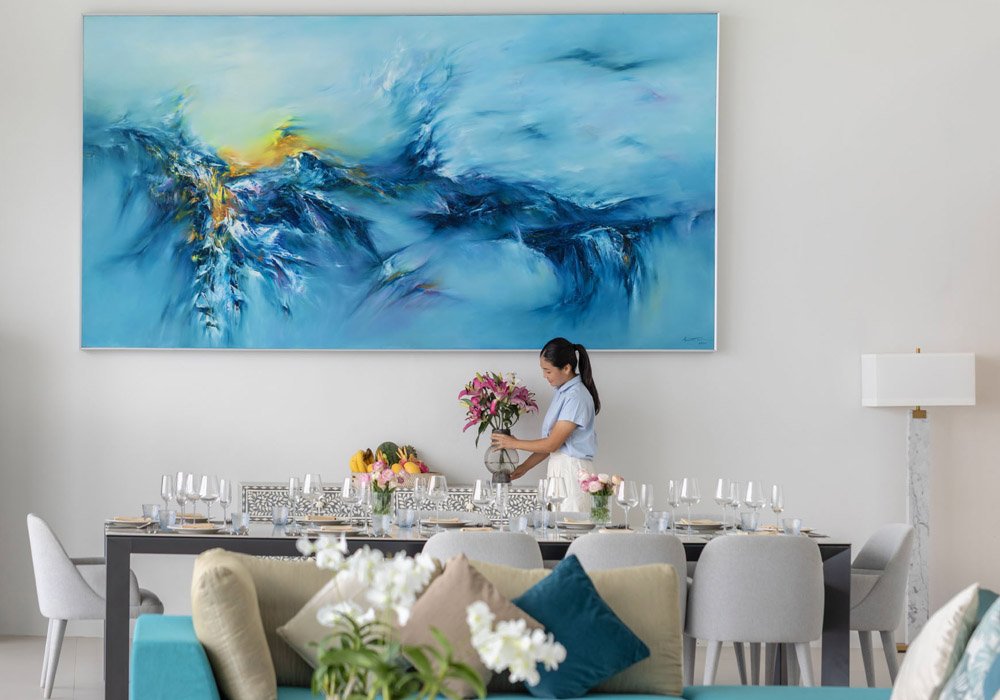
Modern luxury hospitality is no longer defined merely by high thread counts, spacious suites, and infinity pools. Today’s global travellers demand environments that stimulate the senses and tell a compelling story. The intersection of architectural heritage and artistic expression has completely transformed premium accommodations, turning them into immersive cultural landmarks rather than just places to sleep. The focus has shifted from standard amenities to curated atmospheres that reflect the soul of a destination.
This shift towards experiential travel is measurable and significant. According to a recent report by Skift and McKinsey, the global marketplace for travel experiences has grown into a staggering trillion-dollar opportunity. This data highlights a powerful trend where modern consumers, particularly younger demographics, prioritise culturally immersive moments over traditional, cookie-cutter hotel features. They seek a narrative that connects them directly to the community they are visiting, transforming a simple vacation into a profound personal journey.
The New Era of Cultural Immersion in Thailand
The luxury hospitality market is experiencing robust growth, with global valuations projected to soar over the next decade. In Southeast Asia, Thailand is leading the charge in redefining what premium travel looks like. The Tourism Authority of Thailand recently introduced its strategy for the coming years, pivoting heavily toward a model of value over volume. By leveraging the cultural soft power of the kingdom, the initiative aims to attract high-yield travellers who appreciate authenticity, bespoke services, and creative design. These visitors are looking to engage with their surroundings in a meaningful way, ensuring their travel footprint supports local artisans and honours regional traditions.
To meet this rising demand for authenticity, hoteliers are turning their properties into living canvases. The competition to create the most captivating environment is fierce, driving incredible artistic innovation across the capital. For travellers seeking a visually stunning 5 star hotel in Bangkok offers an incredible array of choices that function as living art exhibits. Many of these properties employ unique Pan-Asian aesthetics and intricate, explorer-themed design elements that transport guests to a different era.
Architectural Storytelling as a Competitive Edge
Readers who frequently explore the intersection of cultural destinations and creative spaces on The Artistic Mind will understand the psychological impact of thoughtful architecture. When a physical space connects deeply with local history and artistic heritage, it elevates the entire travel experience from a simple holiday to an enriching journey. The design becomes an active participant in the narrative of the trip, shaping how visitors perceive and interact with the local culture.
Designers are integrating striking contemporary interpretations of traditional Thai cabinetry directly into arrival experiences. Others are meticulously embedding Thai artistic heritage into their luxury frameworks, utilising classical motifs, rich gold tones, and polished marble to visually narrate the rich history of the kingdom. This approach honours local artistry while providing an unforgettable, luxurious backdrop for international visitors. Every corner becomes an opportunity for discovery and reflection.
Key Pillars of Artistic Hospitality
Driven by this desire for experiential travel, a significant percentage of global luxury hotels have recently invested in premium interior redesigns. These upgrades go far beyond fresh paint and new furniture. They represent a fundamental shift in how spaces are conceptualised. The core elements defining this new artistic standard include:
- Eco-conscious material selection: There has been a notable increase in global luxury design projects utilising reclaimed wood, low-impact stone, and bamboo. This reflects a growing preference for environmentally conscious aesthetics that do not compromise on elegance.
- Dynamic living galleries: Many modern properties utilise bold colour blocking, curved archways, and eclectic pieces from local creators to reflect the vibrant, modern creative scene of their host cities.
- Historical integration: Renowned architects are successfully blending historical styles, such as 1920s Art Deco, with the layout principles of traditional Thai royal palaces.
- Narrative-driven spaces: Hotels are increasingly building their aesthetic around a central story, such as the spirit of early global explorers, creating visually rich lounges and communal areas that invite guests to linger and discover.
The Future of Heritage Design
The commitment to artistic hospitality in Thailand is only strengthening. Recently, numerous public and private organisations signed agreements to advance sustainable tourism goals across the nation. These frameworks integrate cultural preservation and local artistry directly into luxury hospitality certification programmes, ensuring that future developments honour their geographic and historical context. This long-term vision aims to protect the unique artistic heritage of the country while simultaneously offering world-class hospitality.
As the lines between art gallery, historical monument, and luxury accommodation continue to blur, the true winners are the travellers. By choosing destinations that value heritage design and architectural storytelling, guests are treated to environments that inspire the mind, celebrate local culture, and provide memories that last long after the journey ends. Thailand remains at the forefront of this evolution, proving that true luxury lies in the depth of the experience.