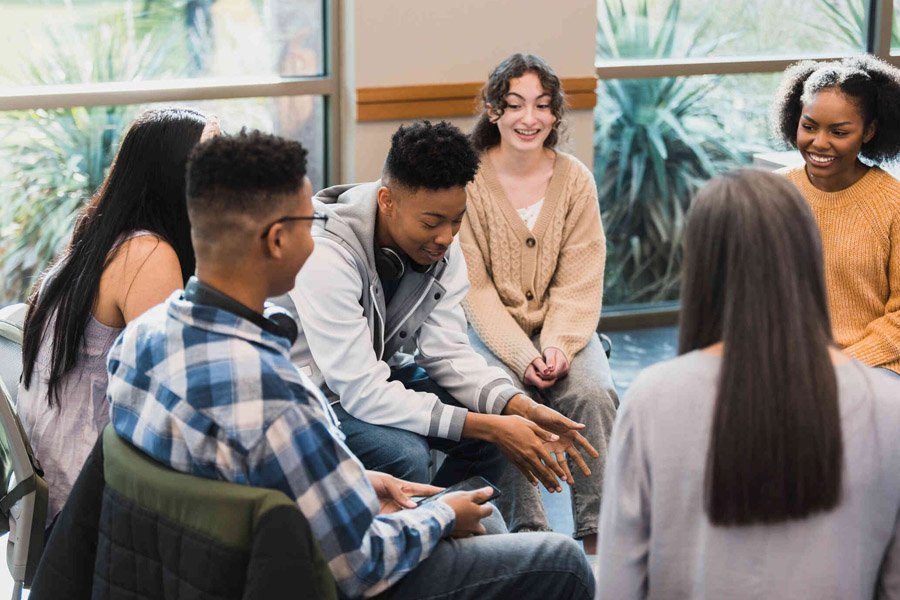
What happens when teens realize they are not facing challenges alone? Adolescence can bring uncertainty, pressure, and emotional stress that feels overwhelming. Many young people struggle quietly, unsure how to cope with stress or self-doubt.
Group support has long been recognized as a reliable way to guide teens through these years. By connecting with peers in a structured setting, teens can share feelings, gain perspective, and learn from others’ experiences. These spaces promote trust, patience, and understanding in ways that individual counseling sometimes cannot.
This article explains how group support builds confidence and coping skills that last. Keep on reading!
A Safe Space for Honest Expression
When adolescents have access to group support, they are able to speak freely without the fear of being judged. A sense of safety is fostered in participants through the establishment of clear rules, supportive guidance, and boundaries. In this protected environment, adolescents are able to speak openly about their emotions.
When teenagers listen to their peers express their feelings, it demonstrates to them that they are not alone. Participation is made simpler and more comfortable through the establishment of routines and sessions that are predictable. Through the passage of time, trust and confidence are developed through the act of sharing thoughts in a secure setting.
This strategy has been utilized for a considerable amount of time in reputable group settings such as school clubs and youth circles. Teenagers who have the sense that they are being heard and valued are more likely to speak up, which bolsters their sense of self-assurance.
Learning Through Shared Experiences
Teens frequently learn best from their peers who are going through similar experiences. When people hear about the experiences of others, it helps them realize that different types of struggles are common and can be overcome. In both educational institutions and community-based programs, this mode of education has long been a fixture.
Teenagers can explore options and outcomes without fear when they participate in group discussions. They can see ways to handle situations in a variety of ways. They are able to improve their own life choices by gaining knowledge from the experiences of others.
Learning in a community setting has always been an effective method. The realization that personal development and resiliency are attainable for all individuals is a source of self-assurance for adolescents.
Building Social Confidence Gradually
Teens can practice their social skills in a more relaxed setting by participating in groups. It is through repeated participation that one can acquire the skills of speaking, listening, and responding. This encouraging environment fosters the natural development of confidence.
In the presence of familiar group routines, even shy adolescents find comfort. They can feel more at ease in social situations when they are exposed to activities and discussions. Self-esteem and a sense of competence are each bolstered by even the smallest of victories.
The development of social skills requires a great deal of patience and repetition. Teenagers can grow steadily and not feel pressured by engaging in gradual practice.
Encouraging Respectful Communication
Groups teach teens how to talk to others in a polite way. They practice these skills: taking turns, listening carefully, and responding thoughtfully. These skills show the old ways of thinking about right and wrong that have guided people for a long time.
Teenagers learn how to express their feelings calmly and helpfully. The facilitators show a way to talk about feelings without getting into an argument. As time goes on, these routines become automatic.
Respectful communication makes people trust each other and feel like they belong. Teens build their confidence not just in talking, but also in hearing and understanding other points of view.
Reducing Feelings of Isolation
A lot of teens think that their problems are different from everyone else’s. When you have people who are going through the same thing as you to help you, it’s easier to feel less lonely. People feel like they belong and are included when they talk about what they have been through.
Teens watch how other people handle stressful times or letdowns. This is how difficult feelings are made to seem normal. They eventually realize that it’s good to look for connections.
Get-togethers have always been a way for communities to help people feel less lonely. Getting help from others makes you more confident and better able to deal with problems.
Strengthening Emotional Awareness
When teens talk in a group, they can better understand and recognize their feelings. Listening to your friends talk about their feelings gives you new words and helps you understand things better. A better understanding of your own and others’ feelings makes it easier to make decisions and resist temptation.
The role of a facilitator is to help teenagers think about how their feelings may affect what they do. Teens learn how to spot triggers and be careful around them. Emotional balance will get easier over time if you practice regularly.
Self-awareness is an important part of personal growth that has been stressed for a long time. With the help of a group, this skill can be made stronger, and people can feel more confident.
Developing Problem-Solving Skills
When teenagers are in groups, they can work on their problem-solving skills. Things that are hard are talked about, options are looked at, and what might happen is thought about. This hands-on method builds up critical thinking.
If teens share their thoughts, they can find possible solutions that they may not have thought of before. Working together with others to get through a problem makes it less scary. To keep the discussions useful and on-topic, it is important to have facilitators.
Group problem-solving is one of the best ways to teach people life skills. As teenagers grow older, they learn how to deal with problems and gain confidence.
Creating Healthy Peer Connections
Group support helps people make good relationships that are based on respect and kindness. Teenagers are taught how to be empathetic, patient, and cooperative. These connections show what the community values.
People in a group who always help each other become friends. Teenagers learn how to choose friends who support good behavior. Good relationships with friends help you avoid bad things.
Strong friendships are good for your self-esteem and social skills. Teens who feel like they are understood and accepted have higher self-esteem.
Teaching Accountability and Responsibility
Being in a group teaches teens that their actions have consequences. They learn how to be honest, reliable, and respectful. People take responsibility when they are in a place that makes them feel good about it.
Teenagers are shown the importance of following through by using feedback and gentle correction. Meeting expectations is important because it helps people trust you and feel good about themselves. These lessons can be used in school, with family, and even with friends.
Accountability has been around for a long time as a basic part of youth development. Putting responsibility into action helps people feel more confident and better able to deal with problems.
Improving Listening Skills
Listening is an important part of group support. Teenagers do the thing where they focus on other people, try to understand other points of view, and respond carefully. Active listening can make a person more socially smart and more empathetic.
Listening carefully helps people understand each other and agree more often. Teenagers learn to be patient when they listen to other people. Being able to listen boosts your confidence and helps you connect with others.
In addition to speaking, the traditional way of teaching stresses listening. The group’s support helps keep this balance, which gets teens ready for life after the group.
Supporting Emotional Regulation
The support of a group helps teens deal with strong emotions. People who facilitate show responses that are calm and helpful. Teens learn how to deal with negative feelings like stress, anger, and disappointment.
Learning from how friends and family deal with their emotions can give you good ideas about what to do. Introspection, deep breathing, and other techniques are practiced all the time. If you practice a lot, you can learn to control your emotions.
For a long time, youth guidance has put a lot of value on reflection and patience. Group support can help people learn how to be resilient and confident using these methods.
Promoting Consistent Support Systems
By taking part in regular group sessions, teens are given a reliable support network. Knowing that there is a safe space to share builds comfort and trust. Teenagers feel safer when they know what meetings are coming up.
It can help to reduce anxiety to have a routine that you follow every day, and that doesn’t change. Teens learn that they can get help even when things are hard. A key part of building confidence is getting a lot of support.
People have been getting together in groups for a long time to build community. Regular support from a group can help people make friends and learn how to deal with problems.
Encouraging Healthy Self-Reflection
If teenagers do group activities, they are encouraged to think about what they do, what they think, and how they choose things. Reflection helps you become self-aware and work on your personal growth. Teens learn to spot patterns and make better decisions.
With guided exercises, participants can think about the outcomes and feelings they have. Self-reflection is a habit that helps you make decisions carefully. As teens learn more about who they are, they become more confident.
Thinking about things has always been seen as very important in traditional teaching methods and programs for young people. Group support is used to stick with this method, which helps teens become more aware and resilient.
Normalizing Help-Seeking Behavior
Group support teaches teens that asking for help is normal and healthy. The people here are honest about their problems and work together to solve them. Because of this, people don’t feel as much shame and are encouraged to deal with their problems in a proactive way.
Teens learn that asking for help shows strength, not weakness. Support is seen as a resource that everyone can use, not a sign of failure. This principle is central to teen group therapy benefits.
In the past, communities have been made stronger by people helping each other. As teens continue to accept and offer help, they naturally get better at dealing with tough situations.
Reinforcing Positive Identity
Groups can help teens better recognize their achievements and strengths. Positive feedback can help build self-esteem and a strong sense of who you are. Support gives people the drive to keep working hard and improve.
Kids learn things like honesty, empathy, and hard work as they build their character. Recognition from people who are similar in age and background strengthens these traits. During their teen years, kids and teens take in positive statements from others and learn to be confident.
Building character has been the main focus of traditional guidance for a very long time. This method is like the approach of group support because it helps teens build a positive sense of self.
Preparing Teens for Adult Roles
You can learn the things you need to know to be an adult with help from others. People can work on their communication, problem-solving, patience, and teamwork skills in places that make them feel safe. These events help teenagers learn how to handle the responsibilities they’ll have as adults.
Common goals encourage leadership, accountability, and compromise. Teenagers do things that older generations have seen as good. Their confidence grows as they learn they can make a difference.
Guided group learning has been used in the past to get young people ready for adulthood. Teenagers learn how to deal with problems and gain confidence that they can use these skills in all parts of their adult lives, such as school, work, and family.
Help Teens Develop Resilience, Improve Communication Through Shared Experiences
Teens grow in structured group support because of tradition and practicality. Shared respect, safe expression, and careful listening make people more confident. Teens deal with things better when they can solve problems, control their emotions, and think about what they did.
Consistency, routine, and support from friends are the best ways to make sure you get long-term benefits. Teenagers develop habits that make them strong and tough.
Social and emotional skills help them get ready for school, family, and adulthood. Group support can help people grow and feel more self-assured.
Did you like this guide? Great! Please browse our website for more!