Good design shapes how the day is lived. It determines how rooms feel, how spaces work, and how pleasant your home is to use. A room can be stunning in photographs but not quite right if it doesn’t support how you move, relax and live at home.
Style mismatch will often waste you money. Homeowners either foot the bill for changes, replace materials or live with a place they dislike. This generally occurs when a designer is going after popular designs instead of focusing on the needs and habits of individuals.
Here’s the thing. Designers at the top of their game start all of that by listening. They ask questions and observe how you use your space, then tailor the design to fit. When style is seen as personal rather than fashionable, the result feels right and lasts a whole lot longer.
Define Your Style Before Contacting Any Designer
So before you contact a designer, it’s important that you have a sense of your own style. This step is what makes it easy to talk and leads to better results. You can only design well when you know what feels right to you.
Why homeowners should clarify their preferences
- It reduces confusion during the design process
- It helps designers focus on ideas that actually fit your taste
- It lowers the risk of costly changes later
Simple ways to define your style
- Collect photos of spaces you like: Look at interior rooms and outdoor areas that catch your attention. Pay attention to what repeats across different photos. This could be clean lines, open layouts, soft lighting, or simple outdoor seating. Repeated choices say more about your style than a single image.
- Note colors and layouts you feel comfortable with: Some people feel relaxed in light, open spaces. Others prefer warmer colors and defined rooms. Comfort matters because you live in space every day, not just look at it.
7 main principles of design
Even without design training, these basic ideas help explain what you like:
- Emphasis: What stands out first in a room
- Balance and alignment: How furniture and features feel evenly placed
- Contrast: Light and dark, smooth and textured surfaces
- Repetition: Similar colors or shapes used across the space
- Proportion: Furniture size matching room size
- Movement: How your eyes and body move through the space
- White space: Areas that feel open and uncluttered
Separate liking a look from living with it
A space can look appealing but still feel uncomfortable. Ask yourself:
- Can I move easily here?
- Does this layout fit my routine?
- Will this still feel right after a year?
When homeowners understand their own style, designers can focus on shaping ideas that truly fit daily life, not just visuals.
Use Area Wise Search to Narrow Options
Searching by location helps homeowners connect with designers who already understand local homes, layouts, and outdoor use. Designers working in the same state usually plan better because they know what works in that area.
Florida FL
Designers in Florida often focus on open layouts, natural light, and strong indoor outdoor connection. Outdoor areas like patios, pools, and shaded spaces are a big part of daily living. Local designers plan with heat, humidity, and year-round outdoor use in mind, which affects materials and layout choices.
New York NY
Designers in New York usually work with tighter spaces and mixed-use rooms. Many homes need smart layouts that balance style with function. Outdoor areas may be smaller, so designers focus on efficient use of space and smooth flow between indoor and outdoor zones.
This is where AWWHouse helps. It allows homeowners to search for interior and outdoor designers by state and service type.
Instead of guessing, users can connect with designers who already work in Florida FL or New York NY and understand local needs for both indoor and outdoor spaces.
Ask Direct Questions About Style Fit

Asking the right questions early helps avoid mismatched expectations. Go beyond basic availability and ask how the designer starts a project, how ideas are shared, and how decisions are made. Ask how they handle feedback, especially when opinions differ or changes are needed after the first draft.
Pay attention to how clearly they answer. Designers who listen carefully usually explain their process step by step and give real examples. This shows they value collaboration. If answers feel rushed or vague, it often means your input may not carry much weight once the work begins.
Interior and Outdoor Design Should Feel Connected
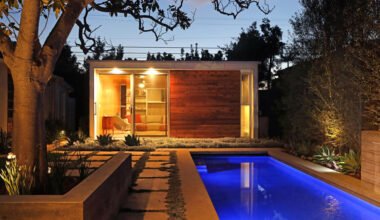
An indoor-outdoor connection is a direct line to feeling civilized. It’s not that everything should look the same exactly, but there should be a definite relation. Like, here’s one: A living area opening onto a patio is more successful when flooring tones, furniture style or color choices seem related.
Outdoor seating that reflects interior themes also creates balance. Designers who plan both areas together, or coordinate closely with others, usually think about flow, movement, and daily use. This leads to spaces that feel natural instead of patched together.
This is why interior designers who can manage both indoors and outdoors achieve better results. If one person isn’t overseeing both, coordination matters a lot.
Designers who are planning together consider flow, comfort and how people move through spaces. Which results in a home that feels cohesive and comfortable to live in.
Feedback From Past Clients Tells the Real Story
Client feedback gives insight that portfolios cannot show. Look for reviews that explain how the designer handled ideas, changes, and communication. Comments that mention listening, adjustments, and respect for personal taste are strong signs of a good fit.
Be cautious if reviews repeatedly mention ignored requests or pushed ideas. Patterns matter more than one opinion. Using AWWHouse.com helps homeowners review designers with real client feedback and verified profiles, making it easier to connect with professionals who value style fit and client input.
Using a Professional Directory to Match Style and Location
Random social searches often waste time. Profiles may look good, but they rarely show full service details, real feedback, or whether the designer works in your area. This leads to contacting people who are not a good fit for your style or project.
A structured directory solves this problem:
- Designers grouped by service: You can focus on interior designers, outdoor designers, or professionals who handle both.
- Location-based filtering: Searching by state or area helps you find designers who already work nearby and understand local homes.
- Verified profiles: Verified listings help reduce guesswork and filter out unreliable options.
This is where AWWHouse helps. As a home and garden professional directory, it lets homeowners match design style with location in one place. By using clear filters and verified profiles, users spend less time on mismatches and more time connecting with designers who truly fit their needs.