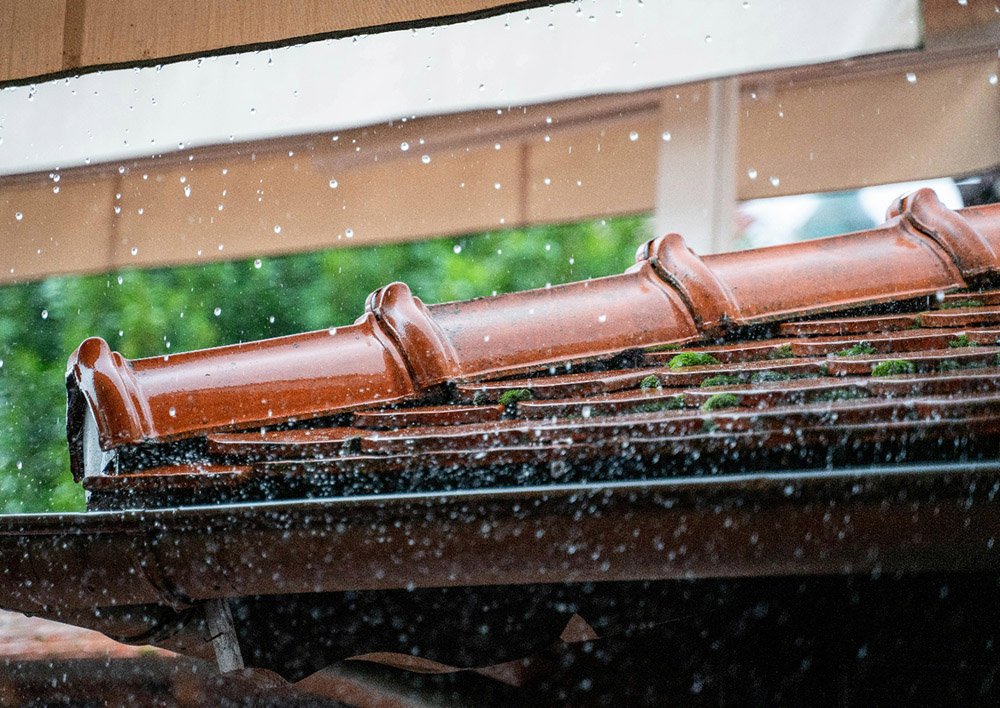
Water sitting where it shouldn’t be is one of those things people ignore until it starts costing money. The issue is not visible until it moves inward, into the soil, under the slab, and eventually into the structure itself. Proper drainage is not something most people think about daily, but it quietly decides how long a home holds up without trouble.
Where Water Actually Goes Matters More Than You Think
Water does not just disappear after a storm. It moves slowly, but it always finds a path, and if that path leads toward your home instead of away from it, the damage builds quietly. Soil around a house expands when wet and contracts when dry, and this constant shifting puts pressure on the foundation in a way that is not obvious at first.
You might see small cracks, maybe doors that stop closing smoothly, or floors that feel slightly uneven. These are not random issues. They are often tied to water that has been sitting or flowing in the wrong direction for months or even years. Landscaping takes a hit too. People often try to fix the surface with new soil or new grass, but the problem underneath stays the same.
Importance of Reliable Drainage
When water collects along hard surfaces like driveways, patios, or walkways, it does not soak in the same way it would in open soil. Instead, it spreads, slows down, and then pools in low spots. Over time, this repeated pooling starts to wear down surfaces and push water closer to the home’s base. It might not look serious at first, but it causes long-term damage.
This is where a more structured approach, like reliable channel drain installation, becomes crucial. Systems designed for this purpose are built to sit flush with surfaces and quietly move water away before it becomes a problem.
It is a practical fix that handles water at the surface level before it seeps deeper. It connects the visible problem with an underground solution, which is usually where the real protection happens.
The Role of Downspouts and Underground Systems
Many people assume that once water leaves the roof through downspouts, the job is done. It is not. If that water is simply dumped near the foundation, it ends up doing more harm than good. You are basically concentrating runoff in one area, which increases soil saturation right where you do not want it.
Underground drainage systems take that water and move it farther away, often several feet from the home, sometimes more, depending on the layout. Pipes are placed below ground level, sloped just enough to keep water moving, even during heavier rainfall.
It sounds simple, and in a way, it is, but the execution matters. A slight mistake in slope or placement can cause water to sit inside the pipe instead of flowing through it. When that happens, the system stops working the way it should, and the problem slowly returns.
Foundation Damage Does Not Happen All at Once
There is this idea that foundation issues show up suddenly, as a crack appears overnight, and that is the beginning. In reality, the process starts much earlier. Water changes the soil first. The soil then affects the structure.
When soil becomes too saturated, it loses strength and shifts more easily. This can lead to uneven settling, where one part of the foundation moves slightly more than another. Over time, that imbalance creates stress points, and eventually, visible damage shows up. By the time cracks appear, the water issue has already been active for a while. That is why drainage is more about prevention than repair. Fixing the surface symptoms without addressing water flow usually leads to repeated problems.
Landscaping Suffers in Subtle Ways
A yard that holds too much water does not always look flooded. Sometimes it just looks patchy, uneven, or harder to maintain than it should be. Grass may grow thicker in some spots and thin out in others. Plants may struggle without a clear reason.
What is happening underneath is often uneven moisture distribution. Some areas stay wet longer, while others dry out faster. This inconsistency affects root health and soil stability. Over time, erosion can also become an issue. Water moving across the surface, even slowly, can carry away small amounts of soil. It is not dramatic, but it adds up. Edges of garden beds start to lose shape, and the ground may slope in ways that were not planned.
Small Fixes Can Prevent Larger Repairs
It is easy to delay drainage work because the problem does not always feel urgent. There is no immediate failure, no sudden breakdown. But that is also what makes it risky. The longer water is allowed to behave freely around a home, the more it shapes the environment in ways that are harder to reverse.
Simple adjustments, like redirecting downspouts, adding surface drains, or improving grading, can make a noticeable difference. These are not always major projects, but they require attention to detail. Guesswork tends to create new issues instead of solving the original one.
People often focus on visible upgrades, paint, flooring, landscaping design, while ignoring the systems that protect those investments. It is understandable, since drainage is mostly hidden. But it plays a quiet role in how well everything else holds up.
Why Consistency Matters More Than Intensity
One heavy storm can cause damage, but it is usually repeated exposure that creates lasting problems. Water that shows up again and again in the same place gradually changes the ground, the structure, and even how the space is used.
Consistency is what proper drainage aims to control. It does not stop the rain, obviously, but it manages where that rain goes every single time. That predictability is what keeps both the foundation and the landscape stable over the long term.
You might not notice a well-designed drainage system working. In fact, that is usually the point. There are no puddles to step around, no soggy patches to avoid, no slow changes creeping into the structure. Everything just behaves the way it should, and that is enough.