The coastlines of Thailand have long been celebrated for their pristine beaches, turquoise waters, and lush landscapes. However, a quiet revolution is taking place along these shores, one that is entirely architectural in nature. As environmental awareness grows and aesthetic preferences shift towards minimalism, coastal Thai properties are enthusiastically embracing a design philosophy known as Tropical Modernism. For the creatively inclined observer, this movement goes far beyond mere aesthetics. It represents a functional, artful response to the demanding local climate, successfully turning structural necessity into visual poetry. By merging structural integrity with artistic expression, architects are redefining the modern sanctuary.
The Origins and Resurgence of Climate-Conscious Design
To appreciate the modern villas dotting the Thai coastline, one must first understand the fascinating roots of the style. The movement was born out of a practical need to build comfortable habitats in hot, humid environments without relying heavily on modern technology. According to the Journal of the History of Ideas, Tropical Modernism developed in the mid-20th century as a style of architecture that specifically considered climatic conditions while designing built environments.
Rather than fighting the elements with artificial cooling, early pioneers of the movement chose to work harmoniously with nature. Today, this philosophy is experiencing a vital resurgence across Southeast Asia. For those actively searching for homes for sale in pattaya thailand, this architectural shift is immediately evident in the newer properties available. The contemporary focus has rightfully shifted back to cross-ventilation, strategic shading, and deep eaves, proving that good design is inherently timeless.
Blending Boundaries with Nature
The true beauty of this architectural style lies in its ability to blur the traditional lines between the built environment and the natural world. Modern Thai properties are no longer just rigid concrete boxes meant to keep nature out. Instead, they are permeable sanctuaries. This evolution perfectly reflects broader design innovations in seamless indoor-outdoor living, where the definition of a premium space has shifted away from sheer size and towards intentional, wellness-centric design.
When you look at the wider real estate market in the Gulf of Thailand, you can see these concepts applied flawlessly. Architects routinely incorporate massive sliding glass doors, central courtyards, and open-plan areas that allow the ocean breeze to flow freely. Biophilic principles remain central to this approach, using reflective water features to cool incoming air naturally and lush indoor gardens to act as organic purifiers.
Discovering Modern Coastal Living
The application of these environmental principles is making coastal regions increasingly attractive to global buyers and design enthusiasts. Coastal cities are seeing a surge in developments that prioritise harmony with the tropical environment over ostentatious displays of wealth. Developers are increasingly recognising that true luxury means living in balance with the surrounding ecosystem.
Many of these newly constructed residences feature clean lines and an absolute abundance of natural light. By choosing structures that respect their organic surroundings, homeowners are investing in a lifestyle that values daily tranquillity and deep ecological mindfulness. The deliberate integration of local stone and rich timber further grounds these homes in their specific geographic context.
Key Elements of the Aesthetic
The visual signature of this movement is instantly recognisable to anyone with an eye for design. If you are examining coastal architecture in Thailand, you will undoubtedly notice several defining features:
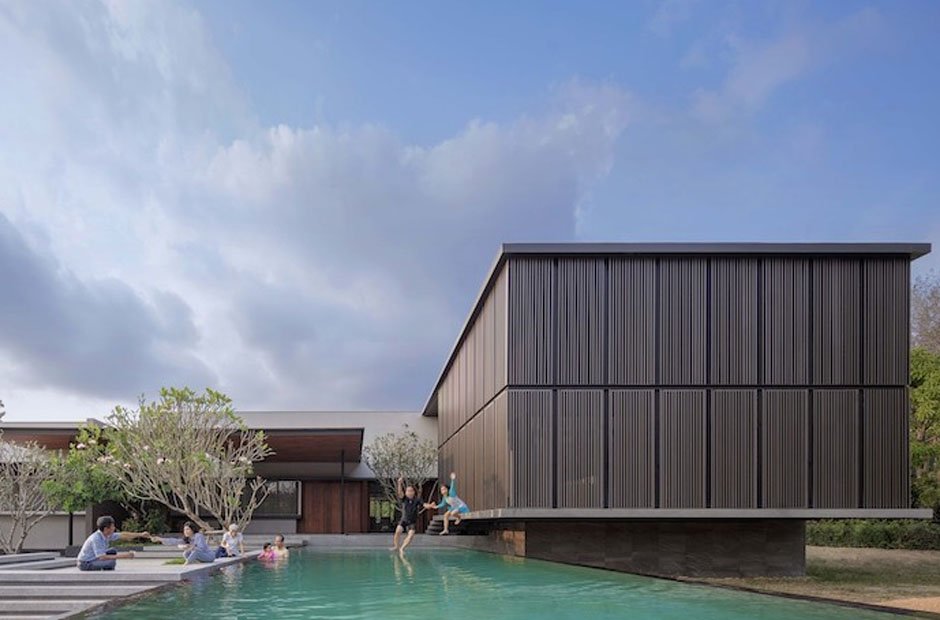
- Strategic Shading: Wide, overhanging roofs protect the interior spaces from harsh midday sunlight while still allowing indirect, ambient light to beautifully illuminate the living areas.
- Natural Ventilation: Slatted wooden screens and louvred windows encourage constant cross-breezes. This design choice significantly reduces the reliance on mechanical air conditioning.
- Tactile Materials: Designers heavily favour raw, locally sourced materials like mature teak, bamboo, and exposed concrete. These materials are chosen because they age gracefully and develop a rich patina.
- Elevated Structures: Drawing direct inspiration from traditional Thai stilt houses, modern properties incorporate gently raised platforms. This protects against heavy seasonal rains and improves air circulation beneath the floors.
Ultimately, the rise of Tropical Modernism in coastal Thailand is a powerful testament to the impact of thoughtful, artistic design. It proves beyond a doubt that luxury, visual beauty, and environmental responsibility can coexist beautifully. As this creative movement continues to shape the coastal skyline, it offers a compelling vision for the future of residential architecture.