Gas leaks can be silent and deadly. You may not see them. You may not smell them. But they can put your home, job site, or business at risk. The good news is that trained experts use special tools to find leaks fast and keep people safe.
Keep reading to learn what happens behind the scenes and how these tools protect lives.
Why Hidden Gas Leaks Are So Dangerous
Gas leaks are serious. Some gases can catch fire with one small spark. Others can make people sick without warning. In some cases, people may feel dizzy, tired, or confused before they know what is wrong.
Natural gas has a strong smell added to it so people can notice it. But not all gases have a smell. Carbon monoxide, for example, has no color and no odor. This makes it very hard to detect without the right tools.
Because of these risks, experts never rely on smell alone. They use tools that can measure gas in the air, even in small amounts.
The First Tool: Portable Gas Detectors
One of the most common tools experts use is a portable gas detector. This small device can fit in one hand or clip to a belt. It checks the air for harmful gases and gives a warning if levels are too high.
Most detectors can sense more than one type of gas. They often test for oxygen levels, carbon monoxide, and other flammable gases. When gas levels rise, the device makes a loud sound and may flash bright lights.
This fast alert allows workers to leave the area right away. It can prevent fires, illness, and even death.
Multi-Gas Monitors for Deeper Checks
In larger spaces, experts use multi-gas monitors. These tools are more advanced and can track several gases at the same time. They give clear readings on a digital screen.
These monitors are often used in factories, plants, and confined spaces. Confined spaces, like tanks or tunnels, can trap gas. Before workers enter, experts test the air carefully.
Multi-gas monitors are built to handle tough work. They are strong, durable, and made for daily use in risky areas.
Fixed Gas Detection Systems
Some buildings need constant protection. In these cases, experts install fixed gas detection systems. These systems stay in place and monitor the air all day and night.
Sensors are placed in key areas, such as near pipes or storage tanks. If a leak happens, the system sends an alarm. It may also shut down machines to prevent sparks.
Fixed systems are common in large factories, labs, and energy plants. They help stop small leaks before they grow into big problems.
Infrared Gas Leak Detectors
Infrared tools are another smart option. These devices use light waves to detect gas. When gas is present, it changes how the light moves. The tool reads this change and shows where the leak is coming from.
Infrared detectors are helpful because they can find leaks from a safe distance. Experts do not need to stand right next to the source. This lowers risk and speeds up the search. These tools work well in outdoor spaces and large industrial sites.
Ultrasonic Leak Detectors
Some leaks make sounds that people cannot hear. Ultrasonic leak detectors are built to catch these high-frequency sounds. They turn the sound into a signal that experts can see or hear through headphones.
This tool is helpful in loud places where normal alarms may not stand out. It is also useful for finding leaks in high-pressure systems. By listening for hidden sounds, experts can spot leaks that might go unnoticed.
Soap Solution and Simple Tests
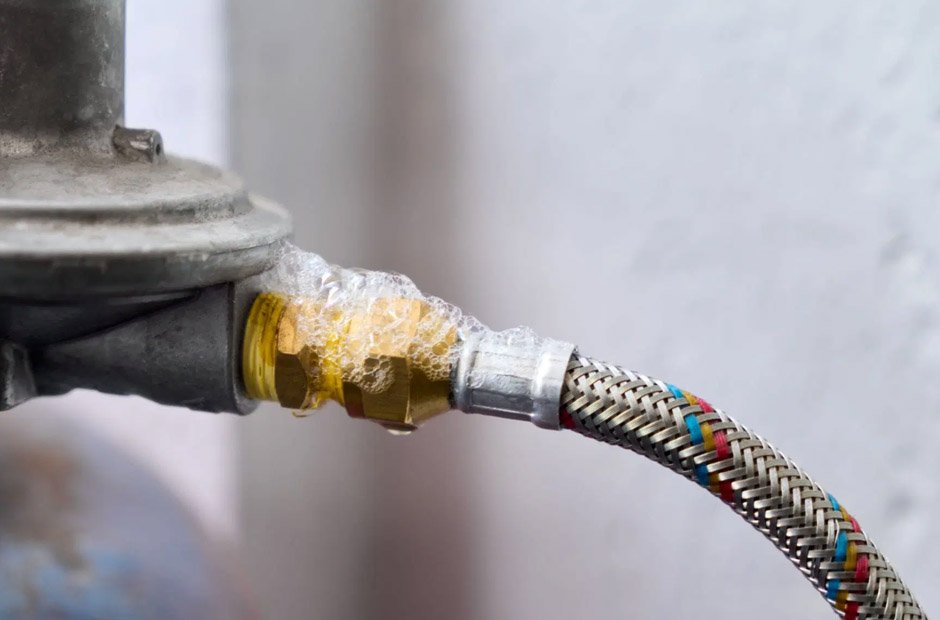
Not every tool is high-tech. In some cases, experts use a simple soap solution. They spray it on pipes and joints. If bubbles form, there is a leak.
This method works well for small and easy-to-reach pipes. It is low cost and simple to use. However, it does not replace electronic tools. Experts often combine simple tests with advanced devices for full safety.
Calibration and Maintenance Tools
Gas detection tools must work well at all times. That is why experts also use calibration tools. Calibration checks if a detector is reading gas levels the right way.
If a device is not calibrated, it may give false results. This can be very dangerous. Regular testing keeps tools accurate and reliable. Many teams follow strict schedules to test and clean their equipment.
Trusted Brands and Equipment
Experts choose tools from trusted brands known for quality and safety. These brands test their devices under harsh conditions. They design tools that meet strong safety standards.
RKI gas detection equipment is trusted by safety professionals for accurate gas monitoring, durable design, and reliable protection in hazardous environments. Choosing reliable tools gives workers peace of mind. It also helps companies follow safety laws and rules.
Training Matters as Much as Tools
Even the best tool will not help if used the wrong way. That is why experts train for many hours. They learn how to read devices, respond to alarms, and act fast in danger.
Training includes practice drills and safety steps. Workers learn how to wear protective gear and how to leave an area safely. When tools and training work together, the risk of harm drops greatly.
Protecting Homes and Workplaces
Gas leaks can happen in homes, offices, and large plants. In homes, small detectors can be placed near furnaces or stoves. In big work sites, full systems guard wide areas.
The goal is always the same. Find the leak early. Fix it fast. Keep people safe. With the right tools, hidden dangers do not stay hidden for long.
Safety Starts with Smart Detection
Hidden gas leaks are serious, but modern tools make detection faster and safer than ever before. From portable detectors to fixed systems and infrared devices, experts use many layers of protection. Each tool plays a key role in finding danger before it spreads.
If you manage a property or job site, do not wait for a warning sign. Invest in proper gas detection and expert support today. Early action can prevent damage, protect lives, and give you lasting peace of mind. Expand your knowledge and check out more posts on our blog!