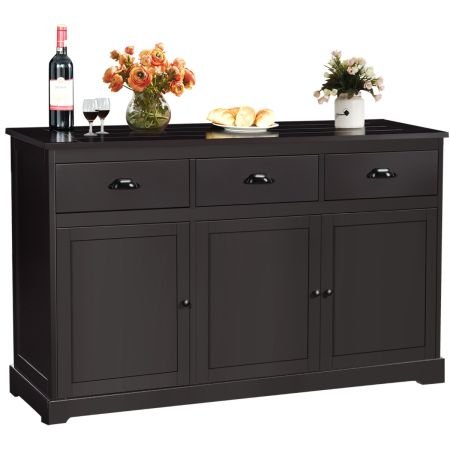
If you’ve ever opened a kitchen cabinet only to have containers tumble out, or found yourself stacking appliances on countertops because there’s simply nowhere else to put them, you’re not alone. Kitchen clutter is one of the most common frustrations homeowners face, and traditional storage cabinets often fall short of meeting our ever-growing organizational needs. What if there were a single piece of furniture that could tame the chaos while actually making your kitchen look better? Enter the sideboard buffet—a versatile, elegant solution that bridges the gap between form and function. Have you considered how much smoother your daily routine could be with dedicated, accessible storage right where you need it? Or how a well-chosen piece could transform an awkward wall or underused corner into a design focal point? In this article, we’ll explore exactly how a sideboard buffet can revolutionize your kitchen organization, guide you through choosing the right one, and share actionable strategies to maximize every inch of storage space it offers.
What is a Sideboard Buffet? Defining Your Kitchen’s New Best Friend
The sideboard buffet has a rich history dating back to 18th-century dining rooms, where it served as a staging area for elaborate meals and a display piece for fine china. Originally a symbol of hospitality and wealth, this furniture piece has evolved dramatically over the centuries. Today’s sideboard buffet has migrated beyond the formal dining room and found a natural home in modern kitchens, where its combination of closed storage, open shelving, and generous countertop surface addresses real organizational challenges.
You’ll often hear the terms “sideboard,” “buffet table,” and “storage cabinets” used interchangeably, but there are subtle distinctions worth noting. A traditional buffet table tends to be longer and lower, designed primarily for serving food. A sideboard is typically slightly taller with a mix of drawers and cabinet doors. In practice, the modern sideboard buffet merges both concepts—offering drawer compartments perfect for utensils and linens, enclosed shelves that hide away less attractive items, and a flat top surface that doubles as prep space or a serving station.
Maximize Kitchen Organization with a Stylish Sideboard Buffet
What makes this piece particularly valuable for kitchen organization is its intentional design. Unlike generic storage cabinets that offer uniform shelving, a sideboard buffet provides varied storage zones within a single footprint. Deep drawers accommodate bulky items, shallow compartments keep smaller accessories visible and accessible, and the countertop creates functional workspace without requiring a renovation. It’s this thoughtful combination of features that makes the sideboard buffet uniquely suited to solving the everyday storage puzzles most kitchens present.
Key Benefits of a Sideboard Buffet for Homeowners
The most immediate advantage of adding a sideboard buffet to your kitchen is the sheer volume of storage it unlocks without requiring construction or renovation. A single well-designed piece can absorb the overflow from packed cabinets—think serving platters you only use during holidays, table linens that never quite fit in drawers, or that collection of cookbooks you reference weekly but have nowhere to display. Beyond capacity, the sideboard buffet offers something standard storage cabinets cannot: accessibility at arm’s reach. Everything sits at counter height or just below, eliminating the need to climb step stools or crouch into deep lower cabinets.
Durability plays a significant role in the long-term value of this investment. Solid hardwood construction resists the wear and tear of a busy kitchen environment, while engineered wood and metal options provide lighter, budget-friendly alternatives that still hold up to daily use. The material you choose also influences the piece’s visual weight in the room—a lighter oak feels airy and casual, while a dark walnut or matte black finish anchors the space with sophistication.
Stylish Storage Solutions to Boost Your Kitchen’s Look
A sideboard buffet does double duty as a design statement. Modern iterations feature clean lines, handleless fronts, and mixed-material construction—think fluted wood panels paired with brass hardware or a marble-topped buffet table that echoes your countertops. Traditional styles lean into raised panel doors, turned legs, and warm stained finishes that complement farmhouse or classic kitchens. The finish you select ties the piece into your existing palette; a crisp white sideboard brightens a small kitchen, while a natural wood tone adds warmth to a cooler, contemporary space. Either way, the result is a cohesive look that makes your kitchen feel intentionally designed rather than simply functional.
Practical Organization for Everyday Kitchen Chaos
On a purely functional level, the sideboard buffet transforms daily routines. Dedicate one cabinet section to dinnerware so setting the table takes seconds instead of minutes. Use drawers to corral junk-drawer refugees—batteries, takeout menus, chip clips—giving every small item a logical home. Deeper shelves handle stockpot storage or bulk pantry goods that crowd your main cabinets. The countertop surface becomes a coffee station, a landing zone for grocery bags, or extra prep space during meal preparation. This kind of kitchen organization reduces decision fatigue; when everything has a designated spot, tidying up becomes almost automatic.
How to Choose the Perfect Sideboard Buffet for Your Home
Selecting the right sideboard buffet starts with understanding your space. Grab a tape measure and map out the wall or area where you plan to place the piece. Record the available width, depth from the wall to any traffic path, and height clearance beneath windows or adjacent counters. A common mistake is choosing a buffet that looks proportional online but overwhelms a narrow galley kitchen or gets lost against a large open wall. As a general rule, leave at least 36 inches of clearance in front for comfortable door and drawer access.
Next, think honestly about what you need to store. A household of two might prioritize a compact sideboard with a few drawers for linens and a single cabinet for entertaining essentials. A family of five, on the other hand, likely needs deeper shelves for stacked dinnerware, multiple drawers for miscellaneous items, and enough countertop surface to function as a secondary prep zone. Write a quick inventory of the items currently causing clutter—this list becomes your blueprint for evaluating compartment sizes and configurations.
Material choice directly impacts both longevity and visual effect. Solid hardwood like oak, walnut, or maple withstands heavy daily use and develops character over time, making it ideal for high-traffic kitchens. Engineered wood with a veneer finish offers a similar look at a lower weight and cost, though it’s less forgiving if exposed to moisture. Metal-framed sideboards with wood or stone tops suit industrial or modern aesthetics and tend to resist warping in humid environments.
Style alignment matters more than you might expect. Pull two or three descriptive words from your kitchen’s current look—rustic, minimalist, transitional—and use them as a filter when browsing options. A sleek handleless buffet table in matte charcoal complements a modern kitchen, while a piece with shaker-style doors and brushed nickel pulls feels at home in a transitional space. Finally, set a realistic budget before you shop, and explore both furniture retailers and secondhand marketplaces. Retailers like Costway offer a range of sideboard styles at accessible price points, making it easier to find a piece that fits both your aesthetic and your budget. Vintage sideboards often feature superior craftsmanship at a fraction of new retail cost, and a fresh coat of paint can make them feel completely custom.
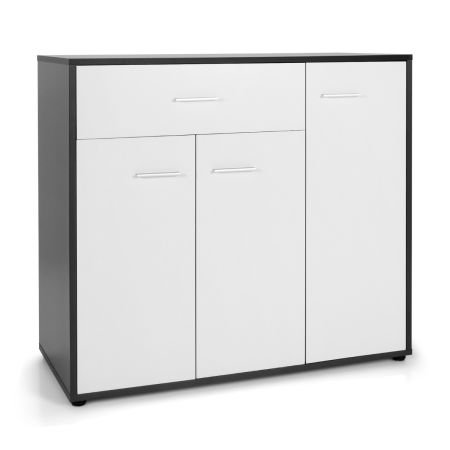
Step-by-Step Solutions: Organizing Your Kitchen with a Sideboard Buffet
The difference between a sideboard buffet that transforms your kitchen and one that becomes another clutter magnet comes down to how intentionally you set it up from day one. Before you load a single item into your new piece, start with a thorough declutter of the items you plan to relocate. Pull everything out of overcrowded cabinets and spread it across your kitchen table. Be ruthless—expired spices, chipped serving bowls, duplicate utensils, and gadgets you haven’t touched in a year all need to go. What remains represents your true storage needs, and you’ll be surprised how much more manageable the pile looks once you’ve edited it down.
With your curated collection in front of you, begin categorizing items into functional zones. Group dinnerware together, cluster entertaining supplies like cloth napkins and candle holders, bundle everyday essentials such as placemats and coasters, and gather overflow pantry items into one area. Each zone will correspond to a specific compartment in your sideboard buffet. Assign the most frequently accessed items—daily dishes, coffee supplies, or lunch-packing essentials—to the most ergonomic spots: upper drawers and cabinet sections at eye level. Reserve lower shelves and deeper compartments for heavier or less-used items like serving platters, slow cooker accessories, or bulk dry goods.
To maximize every cubic inch, invest in simple internal organizers. Drawer dividers transform a single deep drawer into a grid that keeps utensils, linens, and small tools from becoming a jumbled mess. Stackable shelf risers inside cabinet sections effectively double your vertical storage, letting you layer plates without creating precarious towers. Woven baskets or fabric bins on open shelves group loose items—think snack packets or tea collections—while maintaining a tidy appearance. Label bins if your household has multiple members so everyone returns items to their correct spot.
Implementing Stylish and Practical Storage Systems
Organization doesn’t have to look utilitarian. Choose internal storage accessories that complement your sideboard buffet’s aesthetic—rattan baskets for a coastal or farmhouse piece, matte black metal bins for a modern unit, or linen-lined trays for a traditional sideboard. Inside closed storage cabinets, arrange items from tallest in the back to shortest in front so you can see everything at a glance when you open the doors. For glass-front sections, treat the interior like a curated display: stack white dinnerware in neat columns, lean a wooden cutting board against the back wall for visual texture, and place a small potted herb or decorative object to break up the uniformity. On open shelving, follow the rule of threes—group items in odd-numbered clusters at varying heights to create visual interest without clutter. This approach ensures your sideboard buffet functions as both high-performing storage and a design element that elevates the entire room. The goal is a system where grabbing what you need feels effortless and putting things away requires zero thought.
Styling and Maintenance Tips for Long-Term Enjoyment
Once your sideboard buffet is organized and functioning smoothly, the top surface becomes a canvas for personal expression. A well-styled countertop elevates the entire kitchen without requiring a redesign. Start with a functional anchor—a wooden tray or decorative bowl that corrals everyday items like keys or fruit—then layer in elements that bring life to the space. A small potted plant or fresh herb in a ceramic planter adds organic texture, while a table lamp or battery-operated lantern introduces warm ambient lighting that makes the kitchen feel inviting during evening hours. Lean a framed print or cutting board against the wall behind the sideboard to create height variation, and rotate one or two seasonal accents—a vase of dried eucalyptus in winter, fresh flowers in spring—to keep the display feeling current without overwhelming the surface.
Protecting your investment requires consistent but minimal effort. For solid wood surfaces, wipe spills immediately with a soft damp cloth and follow up with a dry one to prevent water rings. Apply a furniture wax or conditioning oil every three to four months to maintain the finish and prevent drying or cracking. Engineered wood and laminate surfaces clean easily with a mild all-purpose spray, though you should avoid abrasive sponges that can scratch the veneer. Metal frames benefit from occasional dusting and a light coat of protective spray if they’re in a humid kitchen environment. Inside the cabinets, line shelves with removable liners that catch crumbs and drips—these can be swapped out seasonally for a quick refresh. Every few months, take ten minutes to reassess the interior arrangement. As your household’s needs shift with the seasons—holiday entertaining supplies rotating in, school lunch gear cycling out—adjust your storage zones accordingly. This simple habit keeps your sideboard buffet working as hard on day five hundred as it did on day one, ensuring it remains both a beautiful focal point and a practical organizational powerhouse in your kitchen.
Transform Your Kitchen with Smart Storage and Timeless Style
A sideboard buffet is far more than a piece of furniture—it’s a strategic investment in both the functionality and beauty of your kitchen. By offering varied storage zones, accessible countertop workspace, and a design presence that ties your room together, it solves the everyday frustrations of cluttered cabinets and overcrowded counters in one elegant move. Whether you’re drawn to a sleek modern buffet table or a warmly finished traditional sideboard, the right piece adapts to your household’s unique needs and grows with you over time. The key takeaway is simple: thoughtful organization paired with intentional style creates a kitchen that works harder and looks better without costly renovations. Take a few minutes this week to assess your biggest storage pain points, measure that empty wall or underused corner, and imagine what a well-chosen sideboard buffet could do for your daily routine. With the strategies outlined here—from decluttering and zoning to styling and maintenance—you have everything you need to transform your kitchen into an efficient, inviting space that makes every meal feel a little more effortless.