A beautiful smile can boost confidence and make daily interactions more enjoyable. Thanks to modern dental technology, achieving straighter teeth has become easier and more comfortable than ever.
Today, there are many alignment care options that fit different needs, lifestyles, and budgets. This article will explore several modern methods for straightening teeth and keeping your smile healthy.
Traditional Braces
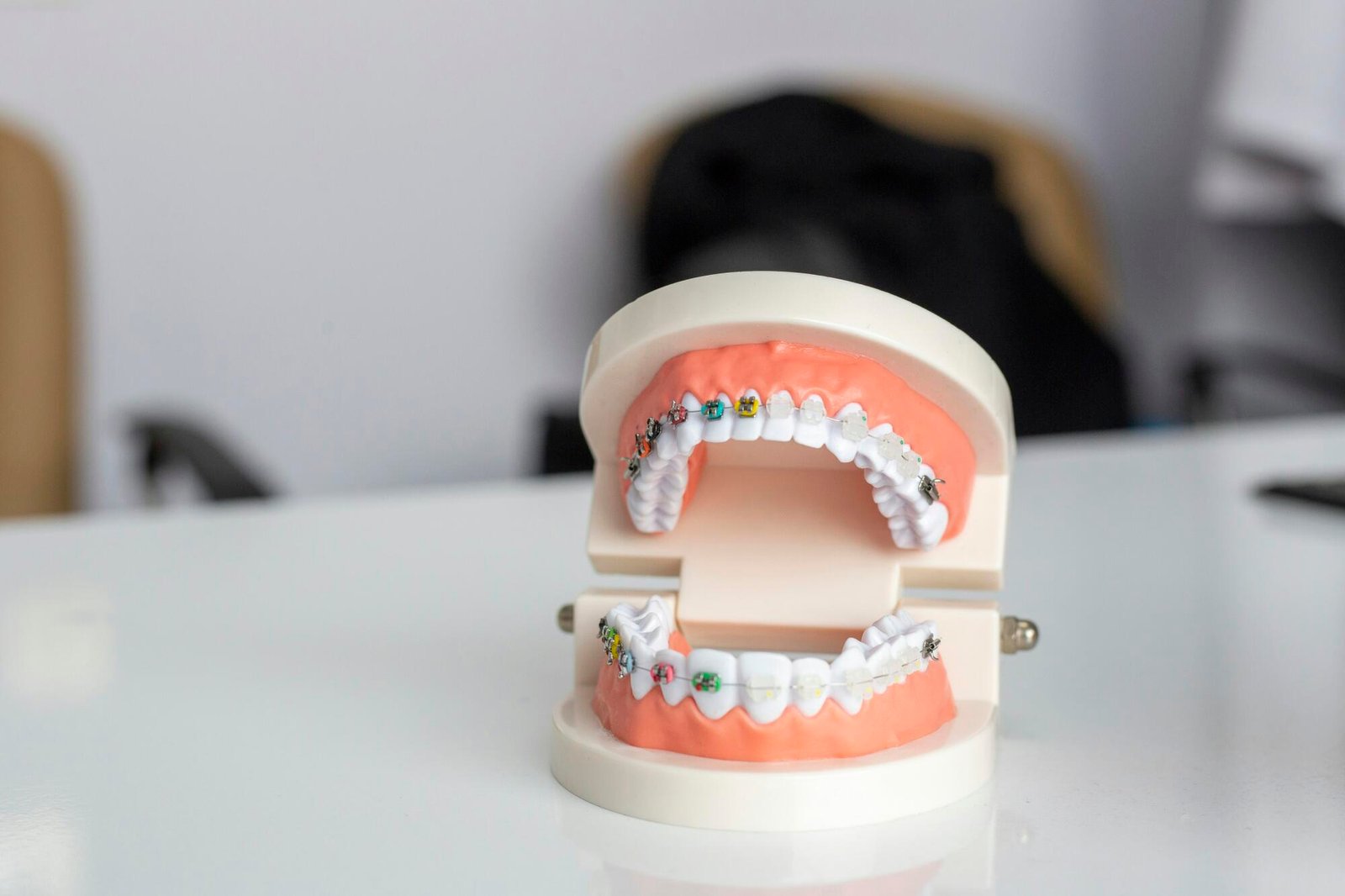
Traditional braces are one of the most common ways to straighten teeth. They use metal brackets and wires to gradually move teeth into the correct position. Braces are very effective for correcting complex alignment issues, such as overcrowding or misaligned bites.
While they are more noticeable than other options, they provide reliable results over time. Regular visits to the dentist or orthodontist are needed to adjust the wires and monitor progress.
Ceramic Braces
For people who want a less noticeable option, ceramic braces are a popular choice. These braces work similarly to metal braces but use clear or tooth-colored brackets.
Ceramic braces blend in with the natural color of teeth. This makes them less visible. They are also strong and effective, although they may be slightly more expensive than traditional metal braces. Many patients prefer them for their discreet appearance while still achieving excellent results.
Clear Aligners
Clear aligners, like Invisalign, have become very popular in recent years. They are custom-made, transparent trays that fit over the teeth. Aligners are removable, which makes the following easier than with braces:
- eating
- brushing
- flossing
They are ideal for mild to moderate alignment issues and are very discreet. Patients typically receive a series of trays that they switch every few weeks. Clear aligners offer flexibility and comfort for people with busy lifestyles.
Lingual Braces
Lingual braces are attached to the back of the teeth instead of the front. This makes them invisible from the outside. This is a major benefit for adults and teens who want a discreet option. They work like traditional braces, using brackets and wires to gradually move the teeth.
Lingual braces may take a little time to get used to. This is especially when speaking or eating. However, they are highly effective for achieving a straight smile without drawing attention.
Retainers and Preventive Care
Even after completing orthodontic treatment, retainers play an important role in maintaining a straight smile. Retainers keep teeth in their new position and prevent them from shifting over time. Some retainers are removable, while others are fixed behind the teeth.
Preventive care, including regular dental checkups and proper oral hygiene, ensures that teeth remain healthy and alignment results last longer. Consulting an experienced professional, like an orthodontist Webster, can help choose the best retainer or maintenance plan for long-term success.
Your Way to Straighter Smiles
Modern alignment care has come a long way, offering multiple options for achieving straighter teeth. From traditional braces to clear aligners, there is a solution for almost every lifestyle and preference.
Each method has its benefits, whether it is effectiveness, discretion, or convenience. Maintaining proper oral care and using retainers when needed ensures that a straight smile lasts for years.
With these modern treatments, anyone can enjoy the confidence that comes with a beautifully aligned smile.
Looking for more tips and ideas? We’ve got you covered. Check out some of our other posts now.