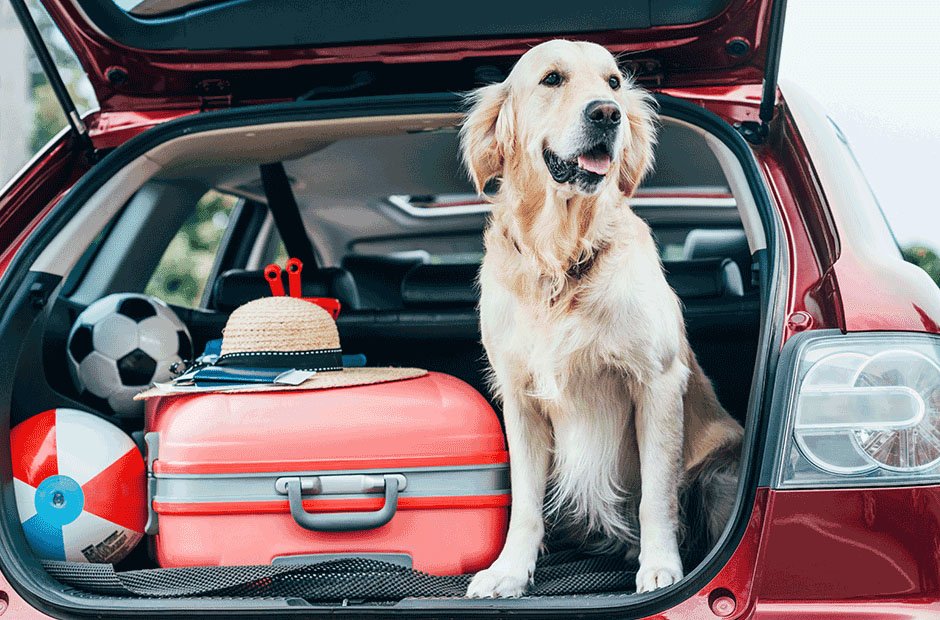
Are you planning to move and feeling stressed about bringing your pets with you? Don’t worry-you’re not alone. Whether you have a cat, dog, or even a reptile, moving with animals can be hard.
But with the right steps, you can make it easier for both you and your pets. This guide will help you prepare before the move, choose the right supplies, travel safely, and settle into your new home.
With a little planning, you can handle any problems along the way and enjoy this new chapter with your pets. Let’s get started and make your move easier!
Understanding Your Pet’s Needs
Moving to a new home can be a stressful and overwhelming experience, not just for humans but also for our furry friends. However, understanding your pet’s needs can make the process of moving with animals much easier. Before the move, it is important to maintain a sense of familiarity for your pet by keeping a consistent routine and providing comforting items such as their favorite toys and bedding.
During the move, it is important to minimize stress by keeping your pet in a safe and secure area away from all the chaos. After the move, it is crucial to give your pet time to adjust to the new surroundings and provide plenty of love and attention. By understanding your pet’s needs, moving with animals can be a smooth and positive experience for everyone involved.
Preparing for the Move
To make moving with pets easier, it’s important to prepare ahead of time. First, make sure your pet’s vaccinations and health records are up to date and easy to find. This will help avoid problems during the move.
If you’re moving far, you may also consider hiring a pet moving service to keep your pet safe. By planning, you can make the move smoother for both you and your pets.
When preparing for your move, it’s important to stock up on the right supplies for your pets. Ensure you have:
- Leashes, collars, and harnesses
- Safe and comfortable carriers
- Crates
- Food, water bowls
- Familiar toys or blankets
- Medications and health records
- Creating a Pet Moving Plan
Consider developing a plan focused on your pets’ relocation. This could involve listing where they will be during the packing phase, when you will visit the vet, and options for their transportation. Additionally, research local pet-friendly places at your destination.
Choosing the Right Transportation
Your mode of transportation significantly affects your pet’s comfort during the move. Assess your options: will you drive them yourself or hire pet transportation services? If you’re considering a long-distance move, a reputable pet transport company might provide a less disruptive experience for your animal.
Driving with Pets
Pet carriers and harnesses provide a safe and comfortable way to transport our furry friends. And with the increasing number of pet-friendly hotels and rest stops along major highways, finding a place to rest and recharge has become convenient.
Additionally, technology has made it easier to plan and navigate routes that cater to our pets’ needs, such as pet-friendly parks and play areas. With these tools at our disposal, moving with animals has become a much smoother and enjoyable process.
Flying with Pets
If a flight is necessary for your move, checking the airline’s pet policy beforehand is vital. Some airlines require specific carriers or have age and breed restrictions. Book your pet’s travel in advance, as spaces for pets can fill up quickly.
Settling Down in Your New Home
Once you’ve arrived at your new home, it’s essential to help your pet settle in comfortably. Start by establishing a safe space for them. This area should contain their favorite items, such as toys and blankets, to reduce stress.
During the first few days, try to keep the environment as calm as possible. Avoid introducing your pets to every area of the house at once. Instead, allow them to explore at their own pace.
Gradually expose them to different rooms and areas to prevent overwhelming them. As with the packing process, maintaining a schedule will help your pet adjust to the new environment. Feed, walk, and play with them at the same times as you did before the move, until they’re fully settled in.
Behavioral Changes to Watch For
After relocating, keep an eye on your pets for any changes in behavior. Stress or anxiety can lead to problems like aggression, extreme withdrawal, or changes in eating habits.
It’s important to monitor these behaviors closely. If your pet shows signs of stress, consider the following:
- Increased barking or meowing
- Destructive behavior
- Changes in appetite
- Excessive hiding or seeking attention
If behavioral issues persist, consult with a veterinarian for guidance.
Keep Your Pets Engaged
One important aspect of making the move smoother for pets is to keep them engaged. This means providing them with familiar toys, bedding, and treats to keep them comfortable and occupied during the move.
It is also important to maintain their daily routine as much as possible to reduce any stress or anxiety they may feel. By keeping our pets engaged, we can ensure a smoother transition to their new home and make the move a memorable experience for both owners and pets.
Once your pet has had time to adjust, introducing them to your new neighborhood can be a fun adventure. Take regular walks around the streets, visit nearby parks, or locate pet-friendly venues that you can enjoy together.
Building a Support System
Having a supportive network for your pets can make a world of difference in helping them adjust to the move. Connect with local veterinarians or pet care groups to find resources. Building relationships with other pet owners can also offer social opportunities for your pets.
Making Relocating With Pets a Breeze
Relocating can be challenging, but with the right strategies and careful planning, you can successfully relocate pets while minimizing stress. Understanding your pet’s needs, preparing adequately for the move, and keeping a consistent routine will go a long way in ensuring your furry friend feels secure in their new environment.
Stay attentive to their behavioral changes, and don’t hesitate to seek help when needed. Start planning your move today for a smoother transition that benefits both you and your beloved pets.
Looking for more tips and advice? You’re in the right place! Make sure to bookmark our page and come back to check out more interesting articles.